Herbal Teas That Calm: How a Cup of Chamomile Can Change Your Day
Imagine this: It's a hectic afternoon, and the stress of the day seems to be mounting with every passing hour. Emails keep flooding in, the phone won't stop buzzing, and the to-do list feels endless. But then, amidst the

Imagine this: It's a hectic afternoon, and the stress of the day seems to be mounting with every passing hour. Emails keep flooding in, the phone won't stop buzzing, and the to-do list feels endless. But then, amidst the chaos, there's a moment of peace as a warm cup of chamomile tea is brewed. It's more than just a beverage; it's a soothing ritual that has the power to transform the day. Many find that just one cup can make a world of difference, offering calmness and clarity when it's needed the most.
Chamomile: The Sleep-Inducing Wonder
Chamomile tea is often hailed as a natural remedy for insomnia and anxiety. Research indicates that chamomile can significantly improve sleep quality, thanks to its apigenin content—a compound that binds to specific receptors in the brain, reducing anxiety and initiating sleep. According to a study published in the Journal of Advanced Nursing, patients who consumed chamomile extract for two weeks experienced better sleep quality compared to those who didn't. It’s this sleep-enhancing property that makes chamomile an essential part of a calming nighttime routine.
Here's the thing: making chamomile tea is incredibly simple. Just steep one to two teaspoons of dried chamomile flowers in hot water for about five minutes. Strain, sip, and let the calming effects take over. Many enjoy it without any sweeteners, but a touch of honey can enhance the flavor, creating a soothing experience that gently prepares you for a restful night's sleep.
Peppermint: Refreshing Yet Relaxing
Peppermint tea offers a unique blend of invigoration and relaxation. While it’s known for its refreshing taste, the menthol in peppermint actually helps relax muscles and reduces stress. This tea can relieve tension headaches, which are often stress-related, as noted by the National Center for Complementary and Integrative Health. It's not uncommon for individuals to turn to peppermint tea during a midday slump, as its refreshing aroma and taste provide a natural lift.
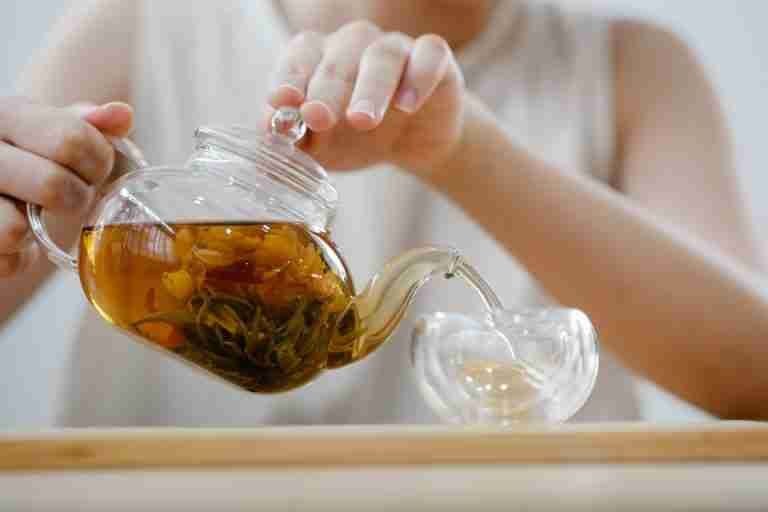
Brewing peppermint tea is straightforward—simply steep fresh peppermint leaves or a teabag in boiling water for about 10 minutes. It's caffeine-free, making it a perfect choice for any time of the day when a gentle pick-me-up is needed without the jitters. Try adding a slice of lemon for extra zing, or pair it with a book for a truly relaxing experience. For those who enjoy experimenting, combining peppermint with other herbs like chamomile can create a delightful fusion of flavors.
Lavender: A Fragrant Stress Reliever
Lavender isn't just for aromatherapy. Its tea form can be equally soothing. Lavender tea is praised for its ability to reduce stress and anxiety, and promote relaxation. A study published in the Journal of Alternative and Complementary Medicine found that lavender can significantly decrease anxiety levels in participants compared to a placebo. The floral notes of lavender not only provide a delightful taste but also evoke a sense of peace, reminiscent of a serene garden on a sunny day.
To make lavender tea, use one tablespoon of dried lavender buds for each cup of boiling water. Allow it to steep for around 10 minutes to maximize its calming effects. The floral aroma can enhance the relaxation experience, making it a perfect drink before bedtime or during a stressful day. For those new to lavender tea, mixing it with a bit of honey or pairing it with lemon balm can offer a balanced flavor profile that's both soothing and refreshing.
Valerian Root: Nature's Tranquilizer
Valerian root tea might not be as well-known as chamomile or peppermint, but it’s a powerhouse for relaxation. Often referred to as "nature's tranquilizer," valerian root is commonly used to treat sleep disorders, particularly insomnia. Studies have shown that valerian can improve sleep latency and quality, making it a go-to herbal remedy for those struggling to find rest. The earthy taste of valerian might be an acquired one, but its effects are worth the initial introduction.

To prepare valerian root tea, steep one teaspoon of dried valerian root in hot water for about 10 minutes. It has a strong, earthy taste, so it’s often recommended to mix it with other teas, like chamomile or peppermint, for a more palatable experience. Remember, valerian root can be quite potent, so it’s advisable to consume it in moderation. For those sensitive to its taste, adding a hint of mint or a squeeze of lemon can help balance the flavors.
Lemon Balm: The Mood Booster
Lemon balm tea is another excellent option for those looking to improve their mood and reduce anxiety. This herb belongs to the mint family and has been used for centuries to promote calmness and cognitive function. A study in the journal Nutrients found that lemon balm can significantly enhance mood and cognitive performance, making it ideal for anyone needing a mental lift. Its light, citrusy flavor is a testament to its name and adds a refreshing twist to the herbal tea lineup.
To make lemon balm tea, use about one tablespoon of dried lemon balm leaves per cup of boiling water. Let it steep for five to 10 minutes. The light, lemony flavor is delightful on its own or sweetened with a bit of honey. For an added mood boost, consider combining it with chamomile or lavender. This combination not only offers a complex flavor profile but also multiplies the calming effects, making it a wonderful choice for an afternoon break or a pre-sleep ritual.
Passionflower: The Anxiety Alleviator
Passionflower tea offers a natural way to address anxiety and stress. This tea is derived from the Passiflora plant and has been shown to have anxiolytic properties. According to the National Institutes of Health, passionflower can help reduce symptoms of anxiety and improve sleep quality, making it another fantastic choice for evening relaxation. The mild flavor of passionflower makes it a versatile addition to any tea collection, offering subtle hints that complement various other herbs.
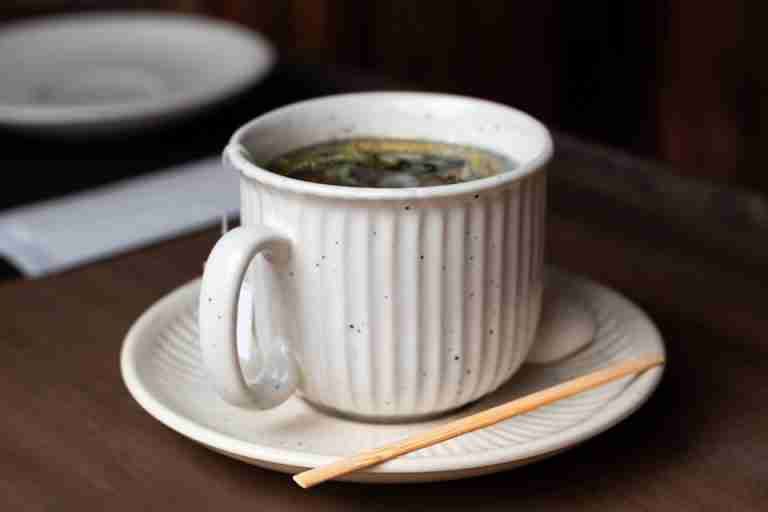
To brew passionflower tea, steep one teaspoon of dried passionflower in hot water for about 10 minutes. The flavor is mild and pleasant, often described as slightly grassy with a hint of sweetness. It's a great standalone tea, but mixing it with chamomile or lavender can enhance its calming effects. For those who enjoy a bit of experimentation, blending passionflower with lemon balm can create a unique, calming brew that soothes the senses.
Rooibos: The Caffeine-Free Antioxidant
Rooibos tea, also known as red bush tea, hails from South Africa and offers a caffeine-free alternative packed with antioxidants. While it doesn't directly induce calmness like some other herbal teas, its rich antioxidant profile can help the body manage stress more effectively. The antioxidants in rooibos can reduce inflammation and support overall well-being, indirectly contributing to a calmer state. Its naturally sweet and nutty flavor is a delightful choice for those seeking a caffeine-free tea with a robust taste.
Preparing rooibos tea is as simple as using a teabag or a teaspoon of loose leaf tea in boiling water for six to eight minutes. Its naturally sweet and nutty flavor doesn't require additional sweeteners, though a splash of milk can create a creamy texture for those who prefer it that way. For a richer experience, try adding a cinnamon stick or a dash of vanilla extract to the brew, enhancing the flavor profile and inviting a sense of warmth and comfort.
Creating Your Herbal Tea Ritual
The beauty of herbal teas is not just in their flavors or health benefits but in the ritual they create. Taking a few moments to prepare and enjoy a cup of tea can be a mindful practice, offering a break from the hustle and bustle of daily life. Here are a few tips to make the most of your tea time:
-
Set the Scene: Choose a quiet spot where you can relax, away from screens and distractions. Consider adding soft music or nature sounds to enhance the ambiance.
-
Use a Favorite Cup: Drinking from a beloved mug or teacup can make the experience more special. The familiar feel of a cherished cup can be comforting and add to the ritual's soothing nature.
-
Add Aromas: Light a candle or incense to enhance the sensory experience. Aromas like lavender or eucalyptus can complement the calming effects of your tea.
-
Pair with Relaxation: Consider meditating, journaling, or simply savoring the moment with your tea. Engaging in a calming activity alongside your tea can deepen the relaxation benefits.
-
Experiment with Blends: Mix different herbal teas to discover flavors and effects that suit your needs. Creating your personalized blend can be a therapeutic activity in itself, allowing you to tailor the experience to your preferences.
By incorporating these herbs into your daily routine, you can cultivate a more peaceful and balanced life. Whether it's the tranquilizing effects of valerian root or the mood-enhancing properties of lemon balm, there's an herbal tea for every need and every moment.
In the end, it's about finding what works best for you and making time for these small yet significant moments of calm. So the next time stress starts to creep in, remember that a simple cup of herbal tea might just be the soothing answer.