How Intermittent Fasting Made Lunch My Favorite Meal
Imagine a scenario where the typical hustle and bustle of the morning leaves little time for breakfast, and a busy evening often leads to a late dinner. For many, this cycle leaves lunch as an overlooked meal, hurriedly
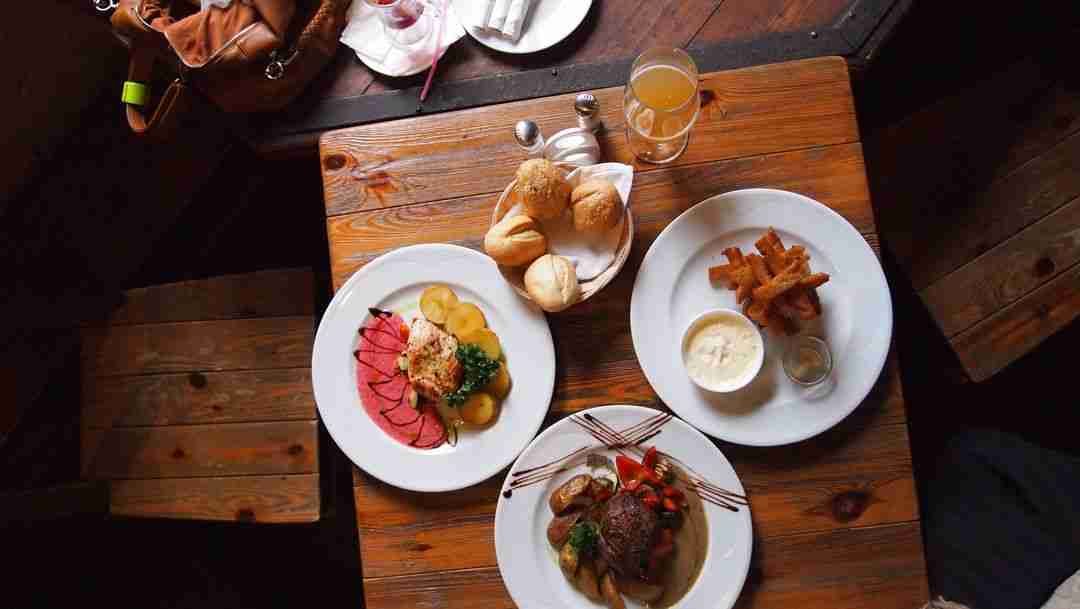
Imagine a scenario where the typical hustle and bustle of the morning leaves little time for breakfast, and a busy evening often leads to a late dinner. For many, this cycle leaves lunch as an overlooked meal, hurriedly consumed between meetings or errands. However, with the rise of intermittent fasting, lunch has garnered newfound attention, transforming from an afterthought to a meal of mindful enjoyment and nutritional significance. Here’s how intermittent fasting can make lunch not just a meal, but your favorite daily ritual.
Intermittent Fasting: The 16:8 Method
The 16:8 method of intermittent fasting has become one of the most popular approaches, and for good reason. It involves fasting for 16 hours and then eating within an 8-hour window. Many choose to skip breakfast, starting their eating window at noon and ending it at 8 PM. This approach naturally elevates the importance of lunch, as it becomes the first meal of the day. Studies have shown that fasting can boost metabolism, improve mental clarity, and even aid in weight management. By beginning the eating window with a balanced lunch, individuals can fuel their bodies with essential nutrients after a period of rest and repair.
Exploring Other Fasting Methods
While the 16:8 method is popular, other intermittent fasting schedules exist, such as the 5:2 method, where individuals eat normally for five days of the week and restrict calorie intake on the other two. Alternatively, some opt for alternate-day fasting, which can be more challenging but offers similar benefits. Understanding the various methods allows you to choose an approach that best fits your lifestyle and goals. Experimenting with different schedules can help you find a routine that feels sustainable and effective for your personal needs.
Why Lunch Becomes a Culinary Highlight
Lunch, when embraced as the first meal, becomes an opportunity to indulge in foods that are both nourishing and satisfying. Instead of a rushed sandwich or a quick salad, lunches during intermittent fasting can transform into something much more. Think grilled salmon with quinoa, a colorful buddha bowl, or a hearty vegetable stir-fry. The anticipation built during the fasting period allows for greater appreciation of flavors and textures. Experts suggest that this mindfulness can enhance your eating experience, leading to better digestion and improved satisfaction with smaller portions.

Enhancing Flavor and Variety
To maximize the enjoyment of lunch, consider diversifying your meal options. Incorporate a variety of herbs and spices to enhance flavors without adding calories. Fresh basil, cilantro, or a dash of cumin can take a dish from bland to bold. Including a range of colors and textures not only makes your meal visually appealing but also ensures a variety of nutrients. Seasonal vegetables, like roasted root veggies in the fall or fresh tomatoes in the summer, can bring new dimensions to your lunch repertoire.
Making Lunch Nutrient-Dense
Fasting doesn't just change the timing of meals; it often shifts focus to the quality of food consumed. Since the eating window is limited, there's a natural inclination to make each meal count. Lunch should ideally provide a balanced mix of macronutrients: proteins, carbohydrates, and healthy fats. For instance, a quinoa and black bean salad topped with avocado provides fiber, protein, and healthy fats. Adding a sprinkle of nuts or seeds can further boost nutritional value. Research shows that meals rich in whole foods can maintain energy levels throughout the afternoon, keeping you alert and productive.
Incorporating Superfoods
To further enhance the nutritional profile of your lunch, consider incorporating superfoods. Ingredients like chia seeds, kale, and blueberries are known for their high nutrient density and antioxidant properties. A sprinkle of chia seeds in a salad or a handful of blueberries in a side dish can elevate the health benefits of your meal. Including a variety of superfoods in your diet can contribute to better overall health and increased energy levels.
Timing Your Meals for Maximum Benefit
The strategic timing of meals can play a pivotal role in the effectiveness of intermittent fasting. Many find that breaking the fast around noon aligns well with natural circadian rhythms, potentially enhancing metabolic health. A study published in the journal Cell Metabolism highlighted that aligning eating patterns with the body's internal clock can improve overall metabolic functions. By making lunch the first meal, you leverage this natural timing, setting a positive tone for the rest of the day’s nutritional intake.

Understanding Your Body’s Signals
Paying attention to your body’s hunger and satiety cues is essential in making the most of your eating window. During fasting, your body becomes more attuned to these signals, allowing you to better gauge when you are truly hungry and when you are satisfied. Practicing mindful eating during lunch can help you develop a deeper connection with your body’s needs, potentially reducing overeating and promoting a healthier relationship with food.
Social and Professional Advantages
Intermittent fasting can also offer unexpected social benefits. Lunch meetings become an integral part of the day, allowing you to engage with colleagues in a meaningful way without the distraction of hunger pains. Furthermore, by focusing on lunch, there's an opportunity to explore local eateries or new recipes with friends, turning a daily routine into a shared experience. This approach can foster stronger connections, both in professional and personal spheres, enhancing social well-being alongside physical health.
Navigating Social Situations
While intermittent fasting can offer social benefits, it may also present challenges, such as navigating social events that occur outside your eating window. Having a flexible approach can be beneficial. Consider adjusting your fasting schedule on special occasions to accommodate social gatherings. Communicating your dietary habits to friends and colleagues can also help them understand your choices, making social situations more comfortable and enjoyable.
Practical Strategies for a Successful Lunch
Preparing for lunch during intermittent fasting doesn't have to be complex. Here are some simple strategies:

-
Plan Ahead: Consider meal prepping on weekends. Prepare a few versatile ingredients like roasted vegetables, grilled chicken, and quinoa that can be mixed and matched throughout the week.
-
Stay Hydrated: During fasting periods, hydration is key. Drinking water or herbal teas can help manage hunger cues and keep the body functioning optimally.
-
Mindful Eating: Use lunchtime as an opportunity to practice mindfulness. Focus on each bite, savor the flavors, and chew thoroughly. This not only enhances digestion but also contributes to a sense of fullness.
-
Consider Nutrient Density: Opt for meals that are nutrient-rich, focusing on whole foods rather than processed options. This ensures you're getting the maximum nutritional benefit from each meal.
-
Use Technology: Tools like MyFitnessPal can help track nutrient intake and ensure balance in meals.
Adapting to Your Lifestyle
Intermittent fasting should complement your lifestyle, not complicate it. Explore different meal prep techniques, like batch cooking or utilizing kitchen gadgets like slow cookers and instant pots, to save time and effort. Adjust recipes to suit your taste preferences and dietary needs, ensuring that your meals are both enjoyable and sustainable in the long term.
Challenges and How to Overcome Them
Adopting intermittent fasting isn’t always straightforward. Some might struggle with initial hunger pangs or social pressures during breakfast meetings. However, these challenges can be managed. Gradually easing into fasting by increasing the fasting period over weeks can help the body adjust. For those with social commitments, explaining dietary choices to peers can foster understanding. It’s all about finding a balance that suits your lifestyle while respecting your body’s needs.
Staying Motivated
Maintaining motivation can be challenging, especially when starting a new dietary regimen. Keeping a journal to track your progress and reflect on your experiences can provide insight and encouragement. Setting realistic goals and celebrating small victories can also help sustain motivation over time. Remember that intermittent fasting is a journey, and adjusting your approach as needed is part of finding what works best for you.
A New Perspective on Meal Prep
For those who embrace intermittent fasting, meal preparation takes on new importance. Lunch, as the first meal, can be a showcase of creativity and nutrition. By dedicating time to prepare ingredients in advance, individuals can ensure a quick and nutritious meal is always on hand. A simple mason jar salad, layered with greens, grains, proteins, and a light dressing, can be both visually appealing and nutrient-dense. Websites like Epicurious offer a variety of recipe ideas tailored to different dietary preferences, ensuring variety and excitement remain in your lunch routine.
Creative Meal Prep Ideas
Consider incorporating themed meal prep days, such as "Meatless Mondays" or "Taco Tuesdays," to keep things exciting. This not only introduces variety but also challenges you to explore new ingredients and cuisines. Incorporating global flavors, like Mediterranean spices or Asian-inspired sauces, can transform ordinary ingredients into extraordinary meals.
Embracing the Change
The shift towards intermittent fasting and a focus on lunch offers more than just health benefits. It encourages a holistic approach to eating, one that values quality over quantity and mindfulness over mindlessness. This change can lead to a deeper appreciation for food and its impact on well-being. Those who adopt this practice often find that lunch becomes more than just a meal — it becomes a moment of joy, a pause in the day to reconnect with the body's needs and the pleasure of eating.
In conclusion, intermittent fasting has the potential to transform how meals are perceived and enjoyed. By making lunch the centerpiece, individuals can experience improved health, greater satisfaction, and a more mindful approach to food. Why not start today? Prepare a balanced, delicious lunch, and see how this simple change can elevate your daily routine.