Why Eating Seasonally Makes Salad Taste Better
Imagine biting into a salad that bursts with flavors so vibrant, it feels like a symphony in your mouth. The secret? Seasonal eating. Many find that consuming produce at its peak not only enhances taste but also supports
Imagine biting into a salad that bursts with flavors so vibrant, it feels like a symphony in your mouth. The secret? Seasonal eating. Many find that consuming produce at its peak not only enhances taste but also supports local economies and benefits the environment. But how exactly does eating seasonally transform a simple salad into a culinary masterpiece? Let's delve into the details.
The Science Behind Seasonal Flavor
Fruits and vegetables have their own natural growing cycles, influenced by weather and soil conditions. When produced according to these cycles, they reach their full potential in flavor and nutrition. Studies suggest that produce harvested in its natural season contains higher levels of essential nutrients. For instance, strawberries picked at their peak can have as much as 50% more vitamin C compared to those grown out of season in artificial environments.
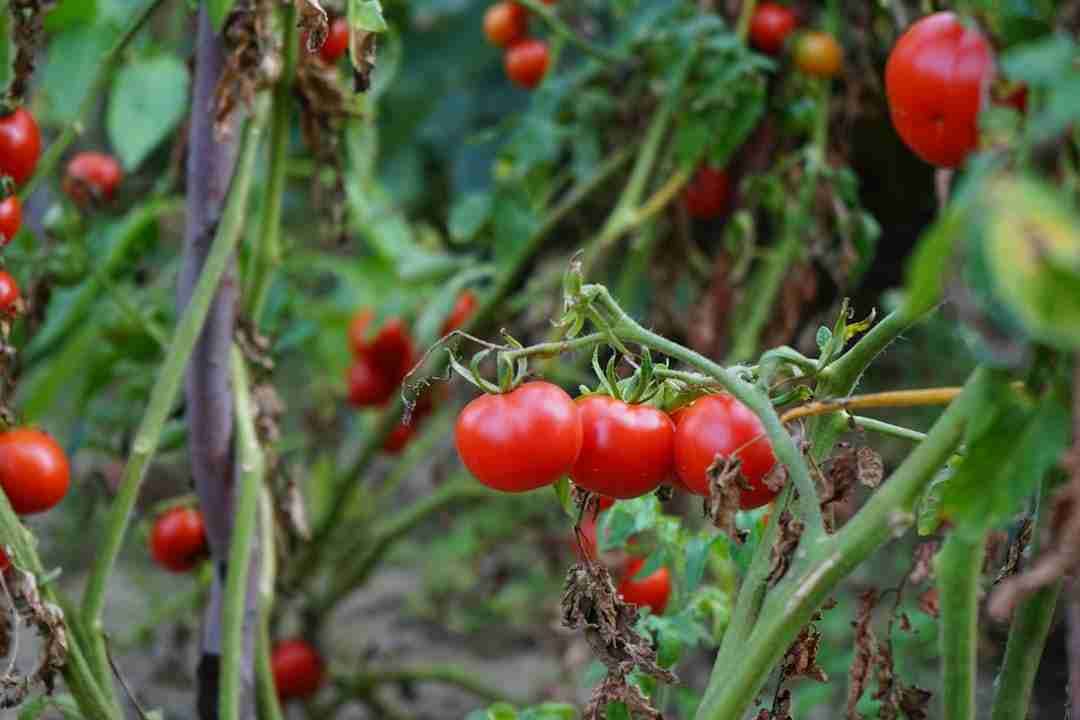
So, what's happening here? It's all about the plant's natural development process. When allowed to grow and ripen naturally, fruits and vegetables develop complex sugars, acids, and aromatic compounds that contribute to their distinct taste profiles. This is why a summer tomato tastes so much sweeter and juicier than one available in mid-winter.
Consider the chemical complexity of a vine-ripened tomato. It develops lycopene, a powerful antioxidant, and a range of volatile compounds responsible for its aroma. These compounds are often diminished in tomatoes that are artificially ripened or grown out of season. By understanding these scientific principles, you can select produce that offers the best nutritional and flavor profiles.
Local Harvests: The Role of Proximity in Taste
Eating seasonally often means eating locally. Produce that doesn't travel far retains its freshness and flavor. Long-distance transportation can result in nutrient degradation and taste loss. Consider this: lettuce picked and shipped from a different continent might spend days, even weeks, in transit. By the time it reaches your plate, it's lost much of its crispness and flavor.
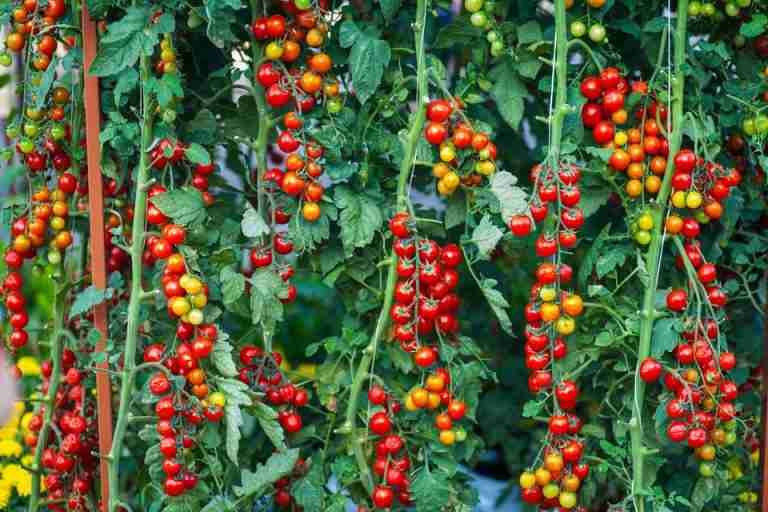
Local farmers pick vegetables and fruits at peak ripeness, delivering them to markets quickly. This means those greens in your salad are fresher, crunchier, and more flavorful. Moreover, supporting local agriculture boosts the community's economy and reduces carbon footprints. For those interested in sourcing local produce, websites like Local Harvest can help locate nearby farmers' markets and CSA programs.
When buying locally, you also engage directly with the growers, gaining insights into how your food is cultivated. This transparency can lead to a deeper appreciation of the food you consume and encourage support for sustainable agricultural practices. Plus, many local markets offer unique heirloom varieties not found in typical grocery stores, adding diversity to your diet.
The Environmental Impact of Seasonal Eating
Eating seasonally isn't just about taste; it also has profound environmental benefits. Out-of-season produce often requires significant energy inputs for cultivation, like heated greenhouses or long-distance transportation, both of which contribute to greenhouse gas emissions. By choosing seasonal produce, one supports more sustainable farming practices that align with natural growing conditions.
Research from the University of California indicates that shifting to a more seasonally-focused diet could reduce a person's food-related carbon footprint by up to 10%. Imagine the collective impact if more people made this shift. Not only does it lead to tastier salads, but it also contributes to a healthier planet.
To further illustrate this point, consider the energy expenditure involved in producing a winter strawberry in a warm climate greenhouse. This process demands extensive energy for heating and artificial lighting, significantly increasing the carbon footprint compared to strawberries grown naturally in the summer sun. By making these conscious choices, you can play a part in reducing environmental strain.
Economic Benefits: Saving Money with Seasonal Choices
Seasonal produce is often more affordable. When fruits and vegetables are in abundance, prices drop. Conversely, out-of-season items can be pricier due to the additional costs associated with their cultivation and transportation. For budget-conscious shoppers, planning meals around the seasons can lead to significant savings.
Consider the price fluctuations of something like asparagus. In spring, when it's in season, prices might be as low as $1.50 per pound. But come winter, those same asparagus might cost double or triple that amount. By adjusting shopping habits to align with seasonal availability, not only is money saved, but meals are enriched with the freshest flavors.
Beyond just saving money, seasonal eating can inspire creativity in the kitchen. Working with ingredients that are plentiful and affordable encourages experimentation with new recipes and cooking methods. This culinary exploration can lead to a more varied and satisfying diet, as well as a greater appreciation for the inherent qualities of seasonal produce.
Crafting the Ultimate Seasonal Salad
Creating a seasonal salad involves more than just grabbing what's fresh. It's about understanding the unique characteristics of each ingredient and how they complement one another. Here's a step-by-step approach to crafting a salad that sings:
-
Base Selection: Start with a mix of greens. In spring, choose tender leaves like spinach or arugula. By summer, switch to heartier options like kale or chard. Each type of green brings its own distinct texture and taste, from the peppery bite of arugula to the robust chewiness of kale.
-
Color and Crunch: Add variety with colorful veggies. Spring radishes and peas offer a delightful crunch, while summer peppers and cucumbers provide refreshing juiciness. The visual appeal of a salad is just as important as its taste, and a vibrant array of colors can make your dish more appetizing.
-
Fruit Elements: Fruits add a touch of sweetness. In spring, strawberries or apricots are ideal. Transition to cherries and peaches as summer progresses. Incorporating fruits not only enhances flavor but also provides additional nutrients and antioxidants.
-
Protein Boost: Incorporate proteins like hard-boiled eggs or grilled chicken. For plant-based options, consider chickpeas or nuts. Protein is crucial for making your salad a satisfying and balanced meal.
-
Dressing Dynamics: A simple vinaigrette can elevate the flavors. Mix olive oil, lemon juice, and a touch of honey for a dressing that complements most seasonal produce. Experiment with different herbs and spices to tailor the dressing to your taste preferences.
For inspiration, websites like Epicurious offer countless seasonal salad recipes tailored to whatever's fresh in your region.
Taste the Difference: Conducting Your Own Seasonal Experiment
For those still skeptical about the impact of seasonal eating, a simple taste test can reveal the truth. Purchase both in-season and out-of-season versions of the same produce, like tomatoes or berries. Prepare two identical salads and compare the taste.
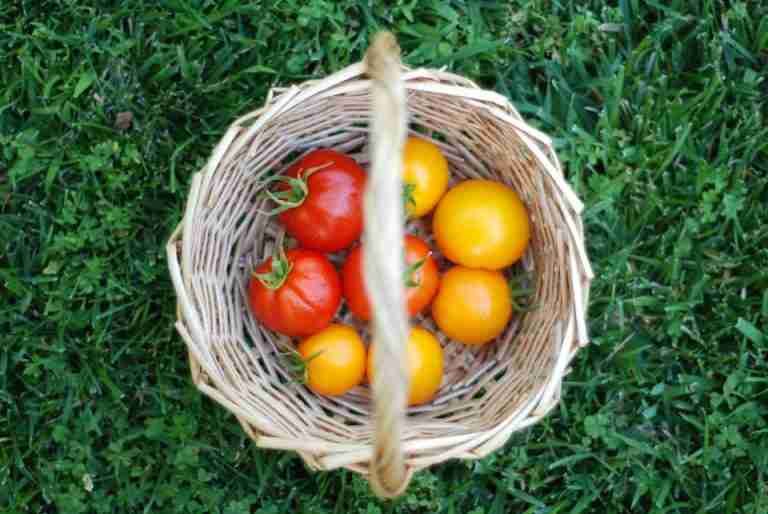
Many find that the seasonal versions offer richer flavors and better textures. This isn't just a culinary experiment; it's a chance to reconnect with the natural rhythms of food. Engaging in these small tests can help refine your palate and make future grocery shopping more intuitive and rewarding.
Consider expanding this experiment by involving family or friends. Host a tasting party where participants bring dishes made from seasonal ingredients. This not only makes the experience fun and social but also helps spread awareness of the benefits of seasonal eating among your community.
Seasonal Eating: An Actionable Path Forward
So, how can one start incorporating seasonal eating habits today? Begin by researching what's in season in your area. Websites like Seasonal Food Guide provide comprehensive lists of produce by region and time of year.
Next, plan meals around these ingredients. This doesn't mean overhauling your entire diet overnight. Start small, perhaps by dedicating one meal a week to seasonal produce. Gradually, as familiarity grows, it will become second nature to prioritize these choices.
Engage with local resources such as farmers' markets and community-supported agriculture (CSA) programs. These venues not only provide access to fresh, seasonal produce but also offer opportunities to learn from the growers themselves. Attend workshops or cooking demonstrations to expand your knowledge and cooking skills.
Incorporating seasonal produce into your diet not only transforms your salads into vibrant, flavorful dishes but also supports sustainable practices, benefits local economies, and offers health advantages. It is a practical, delicious, and impactful way to connect with the environment and community.
By making the conscious decision to eat seasonally, you're not just enhancing your meals; you're also making a positive contribution to the world around you. Start today, and savor the difference.