How Skipping Breakfast Could Be Boosting Your Brainpower
Skipping breakfast might seem like a recipe for brain fog, but what if it could actually sharpen your mental edge? It's a curious notion, yet one that many are exploring through the practice of intermittent fasting. This
Skipping breakfast might seem like a recipe for brain fog, but what if it could actually sharpen your mental edge? It's a curious notion, yet one that many are exploring through the practice of intermittent fasting. This dietary approach has gained traction not just for weight loss, but also for its potential cognitive benefits. Imagine starting your day without the traditional morning meal and instead, harnessing that fasting period to boost your brainpower. Let's delve into how this works, and more importantly, how you might make it work for you.
The Science Behind Intermittent Fasting and Brain Function
Intermittent fasting isn't just about skipping breakfast. It's about creating a specific eating window that allows the body to rest from digestion and focus on other processes. Research suggests this fasting period can promote brain health by increasing the production of brain-derived neurotrophic factor (BDNF), a protein that supports neuron growth and function. Higher BDNF levels are linked to improved memory and mood, and even a lower risk of neurodegenerative diseases.
This fasting approach can also enhance synaptic plasticity, which refers to the brain's ability to adapt and learn new information. By allowing more time between meals, the brain is given the opportunity to consolidate memories more effectively, potentially leading to better problem-solving skills and creativity.
Another key player is ketosis, a metabolic state where the body burns fat for fuel instead of glucose. When you fast, your body eventually enters ketosis, producing ketones that some studies indicate might have neuroprotective benefits. Essentially, these ketones provide an alternative energy source for the brain, potentially enhancing cognitive performance. Some researchers propose that this state of ketosis can mimic the effects of a ketogenic diet, further supporting brain health.
Real-Life Benefits: Improved Focus and Reduced Brain Fog
Many people report experiencing clearer thinking and increased focus when practicing intermittent fasting. This isn't just anecdotal; there's a biological basis for these claims. The absence of food intake in the morning allows insulin levels to drop, which helps maintain steady energy levels without the peaks and troughs caused by eating carbohydrates.
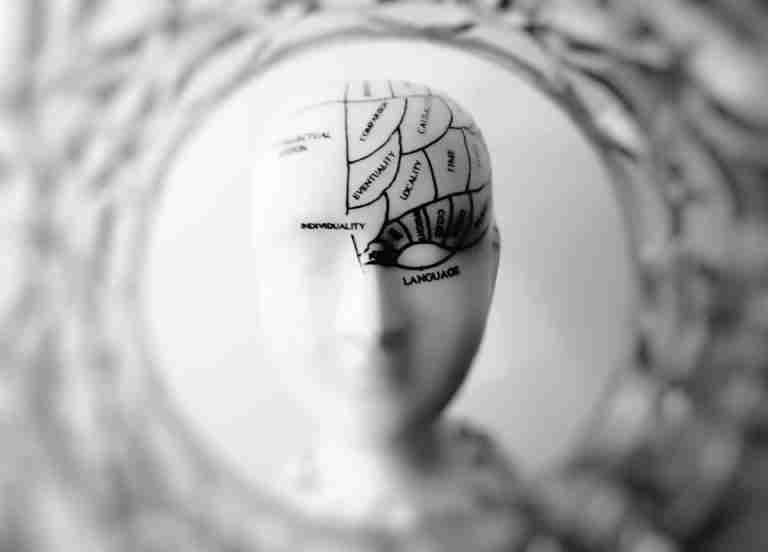
The stability in blood sugar levels can result in reduced brain fog, a common complaint among those who consume a carbohydrate-heavy breakfast. Without these fluctuations, your brain can function more efficiently, allowing for improved concentration and productivity. Professionals who adopt fasting often notice they can accomplish more in the morning hours, when mental clarity is paramount.
Some individuals have found that the mental clarity achieved through fasting has positively impacted their decision-making skills. This is particularly beneficial for those in high-stakes professions where sharp focus and quick thinking are essential. By reducing the distractions caused by hunger or energy crashes, individuals can engage more deeply with their tasks, potentially enhancing their work performance.
Time-Restricted Eating: How to Implement a 16:8 Fast
The 16:8 method is one of the most popular intermittent fasting schedules. It involves fasting for 16 hours and eating during an 8-hour window. For example, you might eat between noon and 8 p.m., effectively skipping breakfast. This method is straightforward and fits well into many lifestyles, making it an attractive option for beginners.
To start, choose an eating window that aligns with your daily routine. Consistency is key, so aim to keep this window the same each day. During the fasting period, you can drink water, black coffee, or tea—anything without calories. This approach not only aids in weight management but also aligns with the circadian rhythm, potentially enhancing metabolic health.
Experiment with different eating windows to find what best supports your energy levels and daily commitments. Some may prefer a 10 a.m. to 6 p.m. window, allowing for an earlier dinner, while others may choose 2 p.m. to 10 p.m. to accommodate social dinners or late exercise sessions. Flexibility in choosing an eating window can help in making this practice more sustainable over the long term.
Adjusting to a New Routine: Challenges and Solutions
Transitioning to an intermittent fasting lifestyle may present challenges, especially if breakfast has been a long-standing habit. Initial hunger pangs and cravings are common, but these typically subside as your body adjusts. Staying hydrated is crucial; sometimes, what feels like hunger is actually thirst.

If mid-morning hunger is a problem, consider distractions like engaging in a task or taking a short walk. Over time, many find that they no longer crave breakfast and appreciate the simplicity of fewer meals. Additionally, the mental clarity gained during fasting can serve as motivation to continue.
Consider gradual changes to help ease into the fasting lifestyle. Start by delaying your breakfast by an hour each day until you reach your desired fasting duration. This gradual shift can help your body adapt more comfortably without the shock of an abrupt change.
Intermittent Fasting and Exercise: Timing Your Workouts
For those who exercise regularly, fasting might raise questions about energy and performance. Some individuals thrive on fasted workouts, often reporting increased energy and endurance. However, this can vary based on the type of exercise and personal physiology.
A practical approach is to schedule lighter workouts, like yoga or walking, during the fasting period. More intense activities like weightlifting or running might be better suited during the eating window when you can refuel properly. Listen to your body and adjust as needed, as exercise should complement your fasting routine, not hinder it.
Experiment with the timing of your workouts to determine what works best for your body. Some find that exercising in a fasted state, particularly cardio exercises, enhances fat burning and leads to better overall fitness results. Others may prefer to have a small meal before engaging in strength training to maximize performance and muscle recovery.
Monitoring Progress: Tools and Resources
Tracking your intermittent fasting journey can provide insights and motivation. Apps like Zero and FastHabit offer timers and reminders to keep you on track. These tools can also log mood, energy levels, and other health metrics, helping you see patterns and make adjustments.
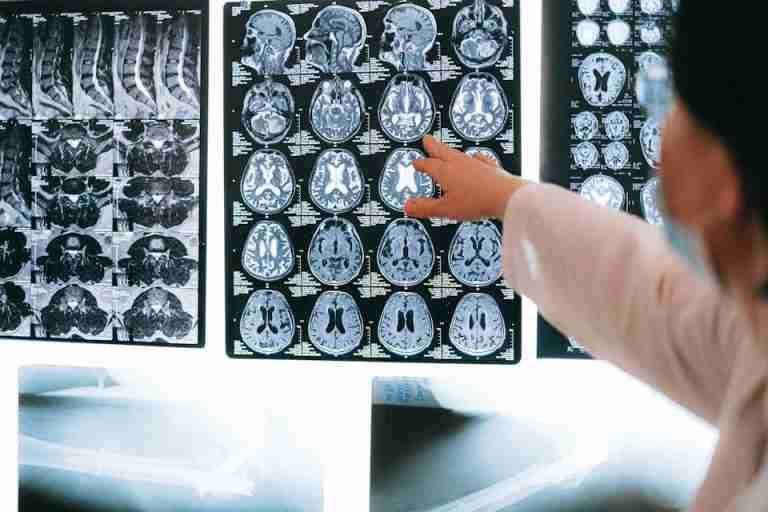
It's also wise to monitor how your body responds over time. Keep a journal of your experiences, noting changes in focus, energy, and mood. Sharing these insights with a community, either online or locally, can provide support and encouragement.
Consider setting specific goals related to your fasting practice. Whether it's improved concentration, weight loss, or better energy levels, having clear objectives can help guide your journey and provide a sense of accomplishment when milestones are reached.
Making Intermittent Fasting a Sustainable Lifestyle Choice
Sustainability is crucial for any lifestyle change. The beauty of intermittent fasting is its flexibility; you can adjust the fasting and eating windows to suit your life. Some find a 14:10 schedule more manageable, while others might experiment with longer fasts once they're comfortable.
The key is to listen to your body and make gradual changes that align with your health goals. Intermittent fasting isn't a one-size-fits-all solution, but with patience and experimentation, it can become a valuable part of a healthy lifestyle.
Ultimately, skipping breakfast might not just be a time-saver; it could be a game-changer for your brain. By exploring intermittent fasting, you open the door to potential cognitive benefits, improved focus, and better overall health. Why not give it a try and see if it sharpens your mental edge?