Why Fermented Foods Are Shaking Up Your Gut Health Routine
Imagine this: you’ve been feeling sluggish, dealing with occasional bloating, or maybe even struggling with digestive discomfort. You’ve tried cutting out certain foods and loading up on others, yet nothing seems to work

Imagine this: you’ve been feeling sluggish, dealing with occasional bloating, or maybe even struggling with digestive discomfort. You’ve tried cutting out certain foods and loading up on others, yet nothing seems to work. But there’s one thing you may not have considered—fermented foods. This age-old method of food preservation is making a modern comeback and it might just be the key to revitalizing your gut health routine.
The Surprising Science Behind Fermentation and Gut Health
Fermentation is not just a trend; it's a biological wonder. When foods like vegetables, dairy, or grains undergo this process, they transform. Microorganisms such as bacteria, yeast, and molds convert sugars into acids, gases, or alcohol. This not only preserves the food but also boosts its nutritional profile. Research shows that fermented foods are rich in probiotics, which are live bacteria that confer health benefits to your digestive system.
Probiotics are essential for maintaining a healthy gut flora. A balanced gut microbiome can improve digestion, boost immunity, and even influence mental health. A study published in the journal Current Opinion in Biotechnology highlights how fermented foods like yogurt and kimchi can contribute positively to gut microbiota. You might be surprised to learn that a mere serving of kimchi can provide over 5 billion colony-forming units of beneficial bacteria. That's a serious boost for your intestinal ecosystem.
Besides probiotics, fermentation can enhance the bioavailability of nutrients. For instance, lactic acid bacteria can break down phytates in grains, which are compounds that inhibit mineral absorption. This means that fermented grains can be a more effective source of nutrients like iron and zinc, essential for various bodily functions, including oxygen transport and immune support.
How Kimchi and Sauerkraut Stand Out in the Probiotic World
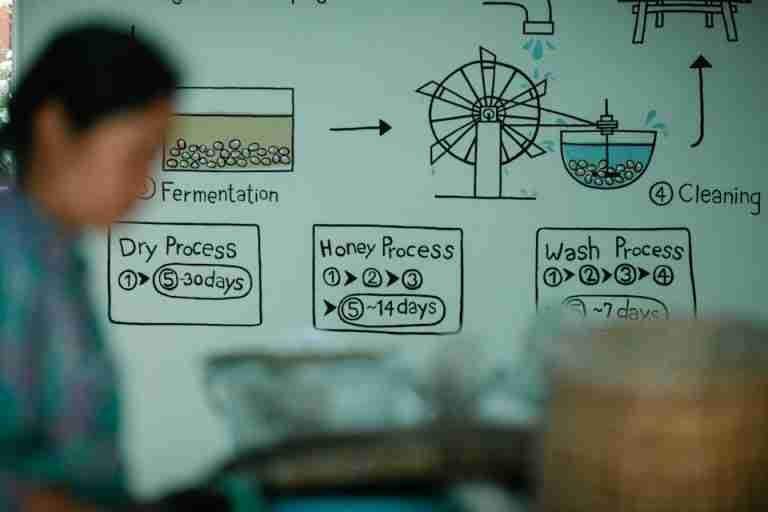
Kimchi and sauerkraut are not just side dishes; they’re powerhouses of probiotics. Both are made through the process of lacto-fermentation, which uses naturally occurring lactic acid bacteria to transform simple cabbage into a tangy, zesty delight brimming with beneficial microbes.
Kimchi, a staple in Korean cuisine, combines cabbage with spices, garlic, ginger, and sometimes fish sauce. Its preparation can vary, offering a range of flavors from mild to fiery. On the other hand, sauerkraut, primarily found in German and Eastern European diets, relies on just cabbage and salt. Both are excellent choices for introducing probiotics into your diet, and recent studies suggest that these fermented vegetables may also help reduce inflammation and improve gut integrity.
For those curious about incorporating these foods into their meals, experimentation with recipes can be rewarding. Kimchi can add a spicy kick to scrambled eggs or serve as a flavorful topping on burgers. Sauerkraut can be mixed into salads or paired with sausages for a traditional European twist.
Considering adding these to your meals? Start with small servings, as introducing too many probiotics at once can lead to temporary bloating. Over time, you’ll likely notice improved digestion and energy levels.
Kefir: The Fermented Dairy Alternative You Didn’t Know You Needed
Kefir is like yogurt’s tangy, effervescent cousin. Made by adding kefir grains—a mixture of bacteria and yeast—to milk, this beverage has a slightly tart taste and a thicker consistency than milk. Its fermentation process breaks down lactose, making it easier to digest for those with lactose intolerance.
Kefir boasts a diverse range of probiotics; unlike yogurt, which typically contains a few strains of bacteria, kefir can host up to 30 different microorganisms. This diversity is particularly beneficial for gut health, as a varied microbiome is often more resilient. According to a report in Frontiers in Microbiology, regular consumption of kefir can enhance gut microbiota diversity and improve digestion.
Why not try it as a breakfast option? Blend it into smoothies or pour it over cereal for a probiotic-rich start to your day. In addition to breakfast, kefir can be used in a variety of culinary applications. Consider using kefir as a base for salad dressings, or add it to baked goods for a subtle tang and additional moisture.
Kombucha: More Than Just a Trendy Drink
Kombucha has taken the health world by storm. This fizzy, slightly sour beverage is made by fermenting sweetened tea with a symbiotic culture of bacteria and yeast (SCOBY). While it’s easy to find kombucha at any health store, making it at home can be a rewarding process.
Experts suggest that kombucha offers a multitude of benefits. It’s rich in B vitamins, antioxidants, and acetic acid, which is known for its antimicrobial properties. A study in the Journal of Food Science indicates that regular kombucha consumption may help improve liver function and decrease oxidative stress.
However, kombucha's acidity means it should be consumed in moderation. Start with half a cup per day to assess how your body reacts. For those new to this beverage, starting with flavored varieties can make the introduction more palatable. Look for options infused with ginger, berries, or citrus for a refreshing twist.
Miso and Tempeh: Protein-Packed Fermented Foods
For those focusing on plant-based diets, miso and tempeh are excellent sources of both protein and probiotics. Miso, a Japanese seasoning made from fermented soybeans, offers a savory umami flavor that can enhance soups, marinades, and dressings. Tempeh, originating from Indonesia, is a cake-like product made from fermented soybeans, offering a firm texture and a nutty flavor.
These foods not only provide probiotics but are also rich in essential amino acids, vitamins, and minerals. According to the British Journal of Nutrition, regular consumption of fermented soy products can improve cholesterol levels and reduce the risk of cardiovascular diseases.
Adding miso to a soup or slicing tempeh for a stir-fry are easy ways to incorporate these foods into your meals. This isn’t just about gut health; it’s about nourishing your body with wholesome nutrition. For a creative twist, try marinating tempeh in a blend of soy sauce, ginger, and garlic before grilling or baking it, providing a flavorful addition to salads and grain bowls.
Practical Tips for Incorporating Fermented Foods Into Your Diet
Ready to give fermented foods a try? Here are some practical steps to seamlessly integrate them into your meals:
-
Start Small: Introduce one type of fermented food at a time. This allows your digestive system to adjust and helps you identify any foods that may cause discomfort.
-
Mix and Match: Combine different fermented foods to keep your meals interesting. For example, add a spoonful of sauerkraut to your sandwich or mix kefir into your morning smoothie.
-
Experiment with Recipes: Use fermented foods in creative ways. Miso can be a base for a savory broth, while kimchi can spice up a fried rice dish.
-
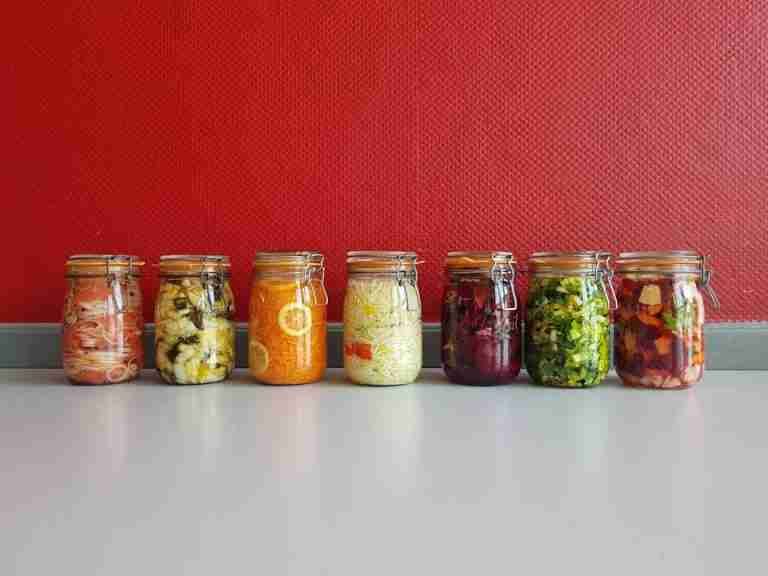
Opt for Variety: A diverse intake of fermented foods can offer a broader range of probiotics. Rotate between dairy-based and vegetable-based options.
-
Check Labels: When buying fermented foods, look for labels stating "live cultures" to ensure probiotic benefits.
-
Make Your Own: Consider making fermented foods at home. It's surprisingly simple and can be a fun family activity. Resources like Cultures for Health offer kits and guides to get started.
What You Can Do Today to Benefit from Fermented Foods
The journey to better gut health with fermented foods is both exciting and rewarding. Start by visiting your local grocery store or farmers market to explore their range of fermented products. If you’re feeling adventurous, try your hand at making your own kombucha or sauerkraut at home.
Remember, consistency is key. Regularly incorporating even small amounts of these foods can make a significant difference in your digestive health over time. So, why not start today? A healthier gut is just a bite away.
Fermented foods offer a world of flavors and health benefits that are waiting to be discovered. By taking proactive steps to include these in your diet, you’re not only supporting your gut but also embracing a delicious way to enhance your overall well-being.