Mindful Walking: Boost Mental Wellness on Your Stroll
Expanding the Horizons of Mindful Walking It was a Sunday morning in the park, and the weight of the world seemed to rest squarely on my shoulders. You know the kind of day I’m talking about. The sky’s a bit too gray, an
Expanding the Horizons of Mindful Walking
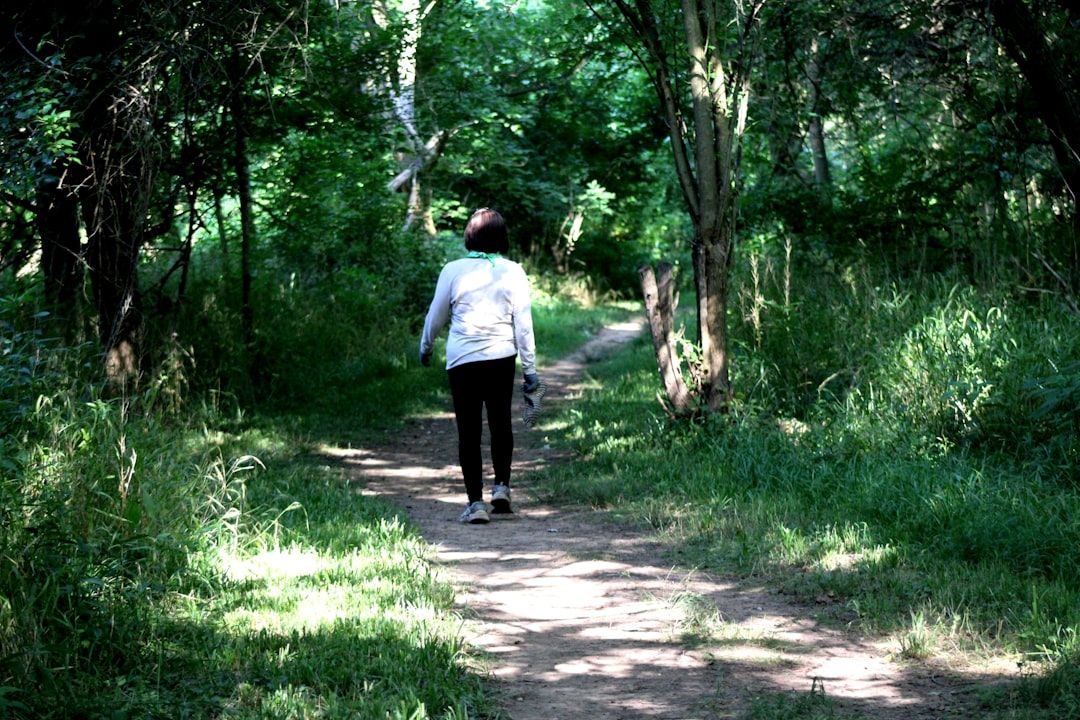
It was a Sunday morning in the park, and the weight of the world seemed to rest squarely on my shoulders. You know the kind of day I’m talking about. The sky’s a bit too gray, and your mind feels cluttered like a desk piled high with unfinished work. On that particular day, I had so much on my mind that the idea of another frantic jog seemed futile. So, I decided to slow down. I mean, really slow down. I chose to try something I’d read about but never actually practiced: mindful walking. Let me tell you, it was akin to opening a window in a stuffy room, ushering in a refreshing breeze of clarity and calmness.
Why Most People Get This Wrong
Mindful walking sounds straightforward, right? Just walk slowly and think about your steps. But the reality is, most of us are quite terrible at it. We’re usually too busy planning our grocery list, replaying an awkward conversation from last week, or strategizing how to tackle tomorrow’s to-do list. Here’s the thing: mindful walking isn’t just a slower version of your usual walk. It’s about tuning into the experience with all your senses. It’s about noticing the rustle of leaves, the rhythm of your breath, the texture of the ground under your feet, and the subtle changes in your surroundings. I’ve found that when I’m truly present in these moments, my mind unclutters itself in the most remarkable way.
Delving Deeper: The Science Behind Mindful Walking
Before we dive into the how-to’s, it’s worth understanding the science behind mindful walking. Research has shown that mindfulness practices, including mindful walking, can lead to a reduction in stress and anxiety. A study published in the Journal of Alternative and Complementary Medicine found that mindfulness can significantly enhance well-being and reduce psychological distress. The practice of focusing on the present moment activates the parasympathetic nervous system, which helps to lower heart rate and blood pressure, leading to a state of relaxation.
The Part Nobody Mentions
You might be wondering if it’s just a glorified way of saying “slow down.” Well, yes and no. It’s more than just the pace. It’s a practice that can be surprisingly hard to master at first. It requires patience and a little bit of humility. You’ll probably feel a bit silly initially, like you’re trying to act out a scene from a mindfulness book. You might even worry about how you look to others. But here’s what I’ve noticed: once you get over that initial awkwardness, there’s a delicious kind of freedom that emerges. It’s like giving yourself permission to just be. And in our fast-paced world, that’s no small feat.

Practical Tips for Getting Started
To get started, find a location that feels safe and comfortable—perhaps a nearby park, a quiet street, or even your backyard. Begin with a few deep breaths to center yourself and set an intention for your walk. This intention could be as simple as gratitude or simply being present. As you start walking, slow your pace considerably. Feel each step deliberately, noticing the way your heel touches the ground first, then the ball of your foot, and finally your toes. Allow your arms to swing naturally. When your mind inevitably drifts—and it will—gently bring your focus back to the sensation of walking. This redirection is a crucial element of the practice, akin to meditation.
What Actually Works
So, how do you do it effectively? Start by choosing a place that feels safe and comfortable. For me, it’s the park with the old oak trees. Begin with a few deep breaths and set an intention, like focusing on gratitude or simply being present. Then, start walking slowly, really feeling each step. It’s like a moving meditation. Notice the way your heel touches the ground first, then the ball of your foot, and finally your toes. Let your arms swing naturally. And whenever your mind drifts—and it will—gently bring it back to the sensation of walking.
Real-World Applications: How Others Have Benefited
Consider the story of Sara, a high-powered executive in a bustling city. She was initially skeptical about mindful walking, viewing it as impractical amidst her hectic schedule. However, after experiencing burnout, she reluctantly gave it a try. Within weeks, she found herself more focused at work, less reactive to stress, and surprisingly, more creative. The practice provided her with a mental reset, allowing her to approach challenges with a clearer mind and a more compassionate heart.
But Does This Always Work? Not Exactly…
It’s not like every walk is going to be a transcendent experience. Some days, your mind just won’t cooperate, and that’s okay. The trick is to be kind to yourself and try again another day. I’ve had walks where I felt more like a distracted toddler than a Zen master. It’s part of the journey. What’s important is the practice itself, not some imagined perfection. In my experience, the more you do it, the easier it becomes to let go of those mental knots.

The Importance of Consistency
To truly reap the benefits of mindful walking, consistency is key. Make it a regular part of your routine, whether it’s a daily practice or a few times a week. Like any skill, mindfulness improves with practice. Over time, you’ll find that you can enter a mindful state more effortlessly, even amidst the chaos of everyday life.
A Mini Story from the Real World
One of my friends, Laura, started mindful walking after a particularly stressful time at work. She was skeptical, to say the least. Laura’s the kind of person who never sits still, always juggling a million tasks. But after a couple of weeks, she told me something changed. It wasn’t that her workload lessened or that she magically became stress-free. Instead, she found moments of peace amidst the chaos. Her mind was clearer, and she felt more grounded. She even started to enjoy her walks, something she hadn’t expected. It’s like she found a pocket of calm she could carry with her, even after her stroll was over.
A Day in the Life: Mindful Walking in Practice
To illustrate this further, consider a typical day for someone incorporating mindful walking. Imagine starting your day with a short, mindful walk around your neighborhood. As you move, you notice the coolness of the morning air, the sound of birds chirping, the play of shadows and sunlight. This simple act sets a tone of awareness and calm for the day. Later, after a stressful meeting, another short walk helps to clear your mind and reset your focus. By evening, a leisurely walk becomes a way to unwind and reflect, closing the day with a sense of peace.
The Little Things Matter
What I love about mindful walking is how it makes the mundane magical. You start noticing things you’d normally miss—the intricate patterns on a leaf, the way sunlight dances through branches, or the distant chirp of a bird. These small observations can bring a surprising amount of joy. It’s a reminder that beauty is all around us, even on a dreary Tuesday morning. And maybe that’s the point. Life is made up of these little moments, and when we pay attention to them, they add up to something much bigger.

Cultivating Appreciation
Mindful walking fosters a sense of appreciation for the world around us. It encourages us to engage with our environment in a more meaningful way, cultivating a sense of gratitude for the simple pleasures in life. This shift in perspective can have a profound impact on our overall well-being, improving our mood and enhancing our resilience in the face of challenges.
Here’s My Takeaway
Mindful walking isn’t a cure-all. It won’t solve all your problems or transform your life overnight. But it’s a tool—a simple, accessible, and incredibly effective one—that can help you find some mental clarity and emotional balance. It’s about taking a step back from the chaos and being present in the moment. And honestly, who doesn’t need a little more of that?
Final Thoughts: Embracing the Journey
So next time you find yourself overwhelmed, consider taking a slow, mindful stroll. You might just find that the answers you’re looking for are right under your feet. Embrace the journey of mindful walking, knowing that each step brings you closer to a state of peace and clarity. It’s a gentle reminder that amidst the hustle and bustle of life, there’s always room for a moment of tranquility.
By incorporating mindful walking into your routine, you’re not just adopting a new habit; you’re embracing a new way of being. It’s an opportunity to reconnect with yourself and the world around you, one step at a time. So lace up your walking shoes, take a deep breath, and embark on a path to mindfulness—a journey that’s as rewarding as the destination itself.