Rediscovering Balance: The Healing Power of Forest Bathing
Imagine walking under a canopy of towering trees, the sunlight filtering through leaves, and the only sound is the soft rustle of nature. This isn't an exotic vacation or a far-off dream—it's forest bathing, a practice g

Imagine walking under a canopy of towering trees, the sunlight filtering through leaves, and the only sound is the soft rustle of nature. This isn't an exotic vacation or a far-off dream—it's forest bathing, a practice gaining popularity for its profound impact on mental and physical health. Many people find themselves trapped in a cycle of stress and digital overload, seeking respite in the natural world. Forest bathing offers a tangible solution, inviting individuals to slow down and reconnect with the earth's healing power.
The Science Behind Forest Bathing: Lowering Cortisol by 16%
Forest bathing, known as "shinrin-yoku" in Japan, isn't just about taking a leisurely walk in the woods. It's a therapeutic practice that involves immersing oneself in the forest atmosphere. Research from the University of Chiba has shown that spending time in the forest can reduce cortisol levels by as much as 16%. Cortisol, often referred to as the stress hormone, is linked to numerous health issues when elevated, including anxiety, depression, and hypertension.
During a forest bathing session, the focus is on mindful engagement with the surroundings. This means observing the vibrant colors of the leaves, listening to the birds, and inhaling the earthy scent of the forest floor. The sensory experience is believed to activate the parasympathetic nervous system, which promotes relaxation and healing.
Takeaway: Next time stress levels rise, consider a visit to a local park or nature reserve. Spending even just 20 minutes can start to lower cortisol and promote a sense of calm.
Phytoncides: Nature's Own Immune Boosters
An intriguing aspect of forest bathing is the exposure to phytoncides, which are antimicrobial compounds released by trees and plants. These natural chemicals play a significant role in plant defense, but they also benefit humans. Studies have demonstrated that breathing in phytoncides can increase natural killer (NK) cell activity, which is essential for the body's immune response.

One study published in "Environmental Health and Preventive Medicine" found that participants who spent time in the forest had higher NK cell activity and a corresponding increase in anti-cancer proteins. This boost in immune function wasn't just immediate; the effects lasted up to seven days after the forest visit.
Takeaway: For an immune system boost, consider scheduling regular forest bathing sessions. Even urban dwellers can find patches of green space that offer these health-enhancing benefits.
Forest Bathing and Mental Health: Reducing Anxiety by 50%
The mental health benefits of forest bathing are profound. A study conducted by the University of Michigan found that individuals who participated in forest bathing experienced a 50% reduction in anxiety levels. This is particularly relevant in a time when anxiety disorders are on the rise globally.
The practice encourages mindfulness, as it requires individuals to focus on the present moment and their immediate environment. This mindful engagement helps break the cycle of rumination that often accompanies anxiety and depression. The forest setting, with its natural beauty and tranquility, provides a perfect backdrop for this meditative practice.
Takeaway: If anxiety is affecting daily life, consider incorporating forest bathing into your routine. Regular sessions can help cultivate a more mindful approach to life's challenges.
Accessibility: Finding Forest Bathing Spaces Near You
One of the appealing aspects of forest bathing is its accessibility. You don't need to live near a national park or vast wilderness to enjoy its benefits. Urban parks, gardens, and even tree-lined streets can provide suitable environments for this practice.

Websites like AllTrails and TrailLink offer extensive databases of trails and parks, making it easy to find nearby green spaces. For those lacking access to large forests, these resources are invaluable. The key is to find a spot where you can disconnect from technology and immerse yourself in nature, even if just for a short while.
Takeaway: Use online resources to locate nearby green spaces and make forest bathing a regular part of your wellness routine, regardless of where you live.
Practical Tips for a Successful Forest Bathing Experience
To ensure a fulfilling forest bathing experience, consider these practical tips:
- Leave Technology Behind: The goal is to disconnect. Leave phones and other devices in the car or turn them off.
- Move Slowly: Unlike hiking, the focus here is not on covering distance. Walk slowly and deliberately, allowing time to notice the details of your surroundings.
- Engage Your Senses: Pay attention to what you see, hear, and smell. Touch the bark of trees, feel the breeze on your skin, and listen to the sounds of the forest.
- Find a Comfortable Spot: Sit or lie down in a spot that feels inviting. This can be a log, a rock, or a patch of grass.
- Stay as Long as You Need: There's no set time limit. Whether it's 20 minutes or two hours, listen to your body and mind to determine how long you should stay.
Takeaway: By following these steps, you can maximize the restorative effects of your forest bathing experience and return to daily life rejuvenated.
Incorporating Forest Bathing into Everyday Life
For many, the challenge lies in making forest bathing a consistent practice. The fast-paced demands of modern life often leave little room for leisurely nature walks. However, with a bit of planning, it's possible to integrate this healing practice into your routine.
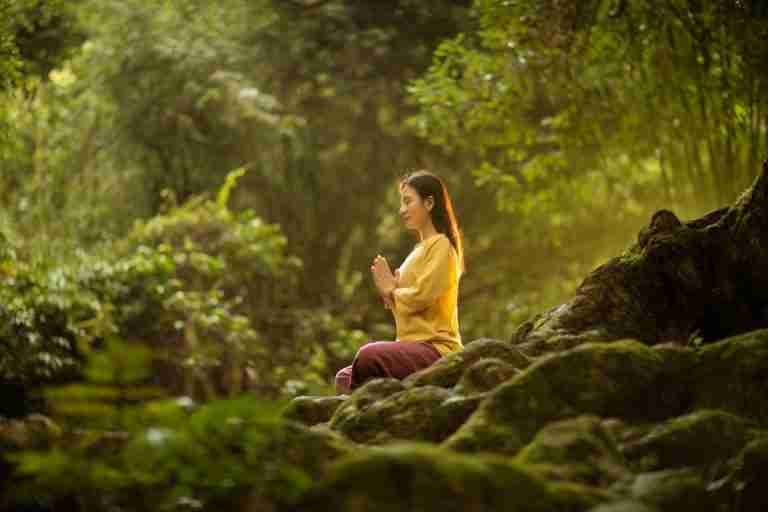
Consider setting aside one day a week or month specifically for forest bathing. Treat it as a non-negotiable appointment, just like any other important commitment. If weekends are packed, try fitting in a quick session during lunch breaks or after work. Even a brief interaction with nature can be beneficial.
For those who prefer structure, consider joining a guided forest bathing group. Organizations like The Association of Nature and Forest Therapy offer programs and certifications for those interested in deepening their practice and understanding of forest therapy.
Takeaway: Prioritize nature time by scheduling regular forest bathing sessions, and explore guided groups if you're seeking a more structured experience.
The Economic Benefits: Saving on Healthcare Costs
Investing time in forest bathing isn't just about personal well-being. There's a growing body of evidence suggesting that it can contribute to significant healthcare savings. As stress-related illnesses continue to strain healthcare systems, preventive practices like forest bathing offer a cost-effective solution.
A study by the University of Exeter indicated that individuals living near green spaces reported better overall health and lower healthcare costs. By reducing stress and boosting immunity, forest bathing may decrease the need for medical interventions and prescription medications.
Takeaway: By incorporating forest bathing into your lifestyle, you may not only enhance your health but also contribute to reducing personal and societal healthcare expenses.
Taking the First Step: Start Today
Rediscovering balance through forest bathing is more than just a trend—it's a return to a simpler, more connected way of living. The benefits are backed by science and accessible to anyone willing to step outside and breathe deeply. Whether you're seeking stress relief, immune support, or a mental health boost, the healing power of nature is within reach.
Start today by identifying a nearby green space and setting aside time to immerse yourself in its tranquility. The path to wellness begins with a single step into the forest. So, lace up your walking shoes, leave the devices behind, and let nature work its magic.