Trying Forest Bathing: Finding Calm Among the Trees
Imagine standing in a lush forest where the only sounds are the rustling leaves and the distant call of a bird. The air feels fresher, and every breath seems to wash away the stress of daily life. This isn't just a pictu
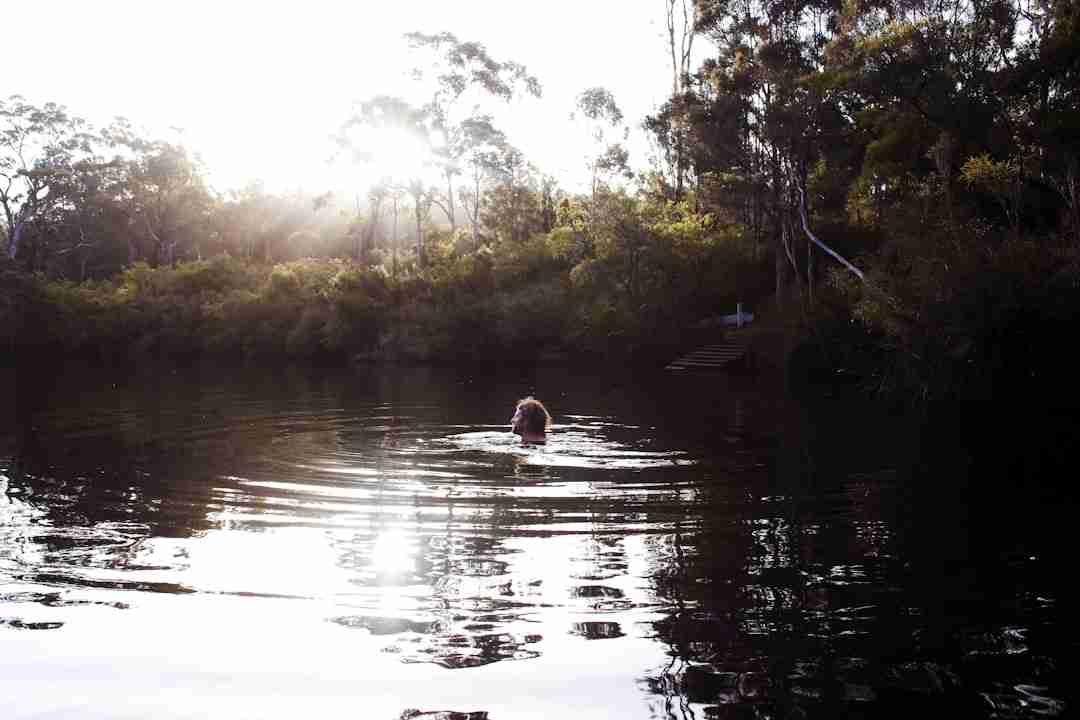
Imagine standing in a lush forest where the only sounds are the rustling leaves and the distant call of a bird. The air feels fresher, and every breath seems to wash away the stress of daily life. This isn't just a picturesque scene from a movie; it's an experience many are turning to for mental clarity and relaxation: forest bathing. It's more than just a walk in the woods; it's an intentional practice with surprising benefits.
The Science Behind Forest Bathing: Why It Works
Research shows that spending time in nature can lower cortisol levels, the hormone associated with stress. A study conducted by the University of Exeter found that people who spent two hours a week in green spaces reported greater well-being and health benefits compared to those who didn't. The practice of forest bathing, or "Shinrin-yoku," originated in Japan in the 1980s as a response to the high-stress urban lifestyle. Participants immerse themselves in the forest atmosphere, engaging all their senses to achieve a state of relaxation and mindfulness.
The benefits extend beyond just stress reduction. Forest bathing can improve mood, increase energy levels, and even boost the immune system. One study published in the journal Environmental Health and Preventive Medicine found that forest environments promote lower concentrations of cortisol, lower pulse rate, and lower blood pressure. These physiological changes contribute to a more profound sense of peace and well-being.
Moreover, forest bathing has been linked to increased activity in the parasympathetic nervous system, which promotes relaxation and recovery. This shift helps the body to reset and repair itself, illustrating the deep connection between nature and human health. For those who constantly feel overwhelmed by the demands of modern life, this practice offers a scientifically backed respite.
Planning Your Forest Bathing Session: Tools and Timing
To start forest bathing, no special equipment is necessary. However, certain tools can enhance the experience. A comfortable pair of walking shoes is essential, as well as a water bottle to stay hydrated. Some find that a small backpack with essentials like a journal or camera can be helpful for capturing thoughts or scenes that inspire mindfulness. Bringing along a yoga mat or a lightweight folding chair can also offer a comfortable spot to sit and reflect.

Timing is crucial. Experts suggest allocating at least two hours for a forest bathing session to fully disconnect from digital distractions and immerse in the natural environment. Early mornings or late afternoons are ideal times when the forest is quieter and the light is softer, enhancing the sensory experience. During these times, the forest often takes on a magical quality, with the interplay of shadows and light creating a serene atmosphere.
Remember, the goal isn't to hike or exercise but to move slowly and deliberately, allowing the senses to fully engage with the surroundings. This isn't always straightforward, especially for those new to mindfulness practices, but with patience, the benefits become apparent.
Choosing the Right Location: Finding Your Perfect Spot
Not all forests are created equal, and finding the right location is key to a successful forest bathing experience. Ideally, the area should be easily accessible yet remote enough to minimize disruptions from urban noise. Local parks or nature reserves often provide suitable environments.
For those in urban areas, even a small patch of woodland can suffice. Many find that the diversity of plant life and the presence of water features, like streams or ponds, enhance the experience. The sounds of flowing water or rustling leaves can be particularly soothing. Consider the terrain; gentle slopes and varied landscapes can add to the sensory richness.
If you're unsure where to start, resources like AllTrails can help locate nearby trails and parks. Additionally, consider visiting a forest therapy guide for personalized recommendations and guidance, ensuring the chosen location fits your needs. These professionals can provide insights into the most tranquil spots and suggest optimal times for visits.
Engaging the Senses: Techniques to Deepen the Experience
Forest bathing is about fully engaging the senses. Start by slowing down your pace and focusing on your breathing. Take deep, deliberate breaths to clear the mind and center your attention. As you walk, pay attention to the textures underfoot and the scents in the air. Notice the different shades of green and the patterns of light filtering through the canopy.

Listening is another powerful way to connect with nature. Close your eyes and focus on the sounds around you. Birds singing, leaves rustling, or the distant sound of a stream can anchor you in the present moment. Professionals note that this mindful listening can help quiet the internal chatter of the mind, promoting deeper relaxation.
Touch can also play a significant role. Feel the bark of a tree, or dip your fingers into a cool stream. These tactile experiences can ground you, making the experience more tangible and memorable. Try running your hands over different surfaces, like moss-covered stones or soft grass, to enrich the tactile engagement.
Addressing Challenges: Overcoming Common Obstacles
While forest bathing offers numerous benefits, it's not without challenges. Some might find it difficult to disconnect from technology. The constant urge to check notifications can disrupt the immersive experience. To combat this, consider leaving devices behind or turning them off entirely. If this seems daunting, use airplane mode to minimize interruptions while still keeping the device for emergencies.
Weather can also pose a challenge. Rain or cold temperatures might deter some, but these conditions can also offer unique sensory experiences. The smell of rain or the sight of frost can add to the richness of the encounter. Dressing appropriately for the weather ensures comfort and allows for flexibility. Layering clothes can help you adapt to changing weather conditions, and waterproof gear can keep you dry and comfortable.
Another potential barrier is the discomfort of solitude, particularly for those unaccustomed to spending time alone. Practicing forest bathing with a friend or joining a guided group can ease this transition, providing a supportive environment while maintaining the focus on nature. Engaging in group sessions can also offer social benefits, fostering connections with others who share an interest in nature.
Making It a Routine: Incorporating Forest Bathing into Daily Life
Integrating forest bathing into a regular routine can amplify its benefits. Start by scheduling a weekly session, gradually increasing frequency as it becomes a more comfortable practice. Consistency is key. Over time, many find that this practice becomes a cherished part of their wellness routine, offering a reliable escape from the pressures of modern life.

Consider creating a journal to document experiences and reflections after each session. This can provide insights into personal growth and highlight changes in mood or perspective. Additionally, sharing experiences with others can foster a sense of community and encourage more people to explore the practice. Engage in discussions or join forums to exchange tips and experiences, which can enrich your understanding and appreciation of forest bathing.
Taking Action Today: Your First Steps to Serenity
Why wait to experience the calm and clarity that forest bathing offers? Begin by identifying a nearby location that speaks to you. Set aside time this week to explore it, leaving behind distractions and embracing the natural world. Remember, it's about the journey, not the destination. Each session is an opportunity to reconnect with oneself and the environment.
With practice, the art of forest bathing can transform not just how you interact with nature, but also how you navigate the complexities of life. Embrace the tranquility that awaits and discover the serenity among the trees.