Rediscovering Tranquility: The Art of Mindful Walking
Lost in the whirl of daily busyness, many find their minds constantly racing from one thought to the next. It's a common modern predicament. But imagine, just for a moment, a simple, cost-free practice that slows down th

Lost in the whirl of daily busyness, many find their minds constantly racing from one thought to the next. It's a common modern predicament. But imagine, just for a moment, a simple, cost-free practice that slows down the relentless pace of thoughts and reconnects individuals with the present moment. Mindful walking offers exactly that—a chance to rediscover tranquility amidst chaos. It's not about reaching a destination; it's about the journey itself.
20-Minute Walks: The Ideal Length for Mindfulness
Experts suggest that a 20-minute walk is an optimal duration for practicing mindful walking. This time frame is long enough to immerse yourself in the experience without feeling rushed, yet short enough to fit into a busy schedule. During this period, the aim is to walk at a comfortable pace, focusing on each step. The gentle rhythm of walking can help synchronize breathing, aiding relaxation and presence.
Studies show that even a brief 20-minute walk can significantly reduce stress levels, increase mindfulness, and improve mood. By dedicating just a small portion of the day to this practice, individuals can experience a profound impact on their mental well-being. It's all about giving oneself permission to slow down and tune into the sensations of the body and surroundings. For instance, consider the feeling of your feet connecting with the ground. Notice the subtle shift in weight as you step from heel to toe, and allow this connection to ground you in the present moment.
The "5-4-3-2-1" Sensory Technique
Here's a technique that many find particularly useful: the "5-4-3-2-1" sensory exercise. This method involves engaging all five senses to ground oneself in the present moment. Start by noticing five things you can see. Look beyond the obvious. Are there subtle variations in the color of the leaves? Perhaps the play of light and shadows intrigues you. Next, focus on four things you can touch. Perhaps it's the texture of your clothes, the grass beneath your fingers, or the breeze against your skin.

Then, listen for three distinct sounds. This could be the rustling of leaves, distant conversations, or the rhythmic cadence of your own footsteps. Follow this by identifying two scents. They might be faint, like the smell of grass or nearby flowers, or perhaps the earthy aroma after a light rain. Finally, taste one thing. Even if it’s just the lingering taste in your mouth or a sip of water, this completes the sensory exercise. This exercise provides an anchor to the present, making the mind less likely to wander and helping cultivate an appreciation for the subtle details often overlooked in the rush of daily life.
Incorporating Breathing Techniques for Enhanced Calm
Combining mindful walking with specific breathing techniques can enhance the calming effects of the practice. A popular method is the "4-7-8" breathing technique. As you walk, inhale deeply for a count of four, hold the breath for seven counts, and then exhale slowly over eight counts. The extended exhalation helps activate the parasympathetic nervous system, promoting a sense of calm and relaxation.
By pairing this breathing pattern with walking, individuals can deepen their mindfulness practice. The rhythmic nature of walking complements the breathing cycle, creating a harmonious flow of movement and breath. This synergy can lead to a heightened state of awareness and tranquility. For those new to this practice, it can be helpful to count the breaths silently in your mind, syncing each number with the pace of your steps.
Mindful Walking: A Tool for Stress Reduction
Research shows that mindful walking can significantly reduce stress levels. In one study, participants who engaged in mindful walking for just two weeks reported reduced perceived stress and improved overall mood. The act of walking itself releases endorphins, which are natural mood lifters. When combined with mindfulness, these benefits are amplified.
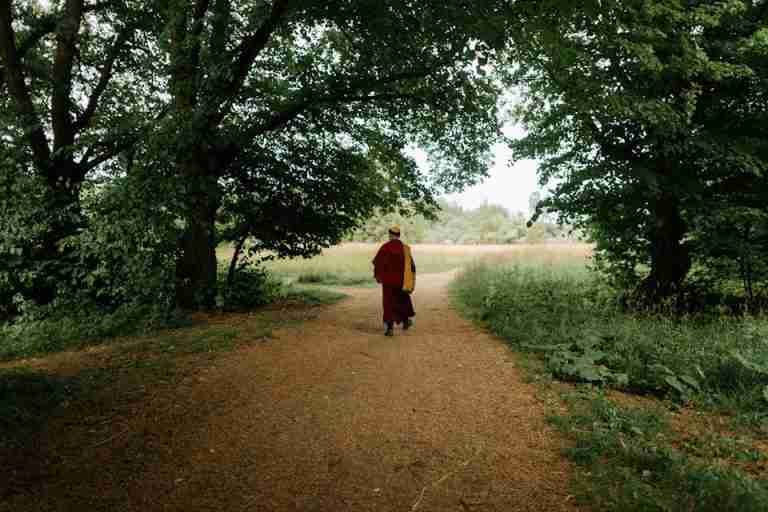
Mindful walking encourages individuals to focus on the present moment, reducing rumination and worry about the future. By being in the "now," stressors lose their grip, and the mind finds a peaceful state. This practice is a gentle reminder of the power of presence and the peace it can bring. Consider integrating this practice into your morning routine, allowing the calming effects to set a positive tone for the day ahead.
Choosing the Right Environment: Urban vs. Nature
The environment in which mindful walking takes place can greatly influence the experience. Some prefer the hustle and bustle of urban settings, finding mindfulness in the movement and energy of the city. The diverse sounds and sights can offer rich opportunities to practice the "5-4-3-2-1" technique. Others gravitate toward natural landscapes, where the tranquility of nature supports a deeper sense of calm.
Research suggests that walking in nature can enhance the benefits of mindfulness, as exposure to green spaces is linked to reduced stress and improved mental health. However, urban environments can also offer unique sensory experiences that enrich mindful walking. It's about finding a setting that resonates personally and feels comfortable. You might explore different environments to discover where you feel most at ease and connected.
Apps and Tools to Enhance Mindful Walking
For those looking to enhance their mindful walking practice, several digital tools can provide guidance and structure. Apps like Headspace and Calm offer dedicated walking meditations designed to facilitate mindfulness on the move. These guided sessions can be particularly helpful for beginners or anyone needing a little extra support.

Additionally, fitness trackers and smartwatches can serve as useful companions, allowing individuals to set walking goals and track progress. Devices such as the Fitbit or Apple Watch offer features that promote mindfulness, including reminders to breathe and move. These tools can provide gentle nudges throughout the day, encouraging you to incorporate mindfulness into your routine consistently.
Overcoming Common Challenges and Misconceptions
Some may initially find mindful walking challenging, especially if accustomed to a fast-paced lifestyle. It's not uncommon for the mind to wander, leading to frustration. However, professionals note that the key is gentle persistence. Each time the mind strays, simply bring attention back to the present moment without judgment.
A common misconception is that mindful walking requires a complete absence of thought. In reality, it's about observing thoughts without attachment, allowing them to pass like clouds in the sky. Patience and practice are essential, and over time, the process becomes more intuitive and rewarding. Remember that each walk is a new opportunity to practice and grow, and there's no "right" way to experience mindfulness.
Practical Steps to Begin Mindful Walking Today
Starting a mindful walking practice doesn't require any special equipment or training. Begin by selecting a convenient location and dedicating a specific time for the walk. Wear comfortable clothing and shoes to ensure a pleasant experience. As you walk, focus on the sensations in your feet, the rhythm of your breath, and the sights and sounds around you.
Aim to keep distractions to a minimum. If possible, leave digital devices behind or switch them to silent mode. The goal is to create an environment that supports mindfulness and presence. With regular practice, mindful walking can become a cherished part of daily routine, offering a peaceful retreat from the demands of modern life. Consider keeping a journal to reflect on your experiences and track the changes you notice in your stress levels and overall well-being.
Rediscovering tranquility through mindful walking is a journey back to oneself. It's about finding peace in the present moment and embracing the simplicity of being. By incorporating this practice into daily life, individuals can unlock a powerful tool for stress reduction and mental clarity. Today, consider stepping outside and taking that first mindful step towards a calmer, more centered existence.