Savor the Season: How Eating with Nature Transforms Your Health
The crisp air of autumn carries more than just the promise of falling leaves and cozy sweaters. It holds the secret to more flavorful and nutritious meals. Imagine biting into a juicy apple, freshly picked and bursting w
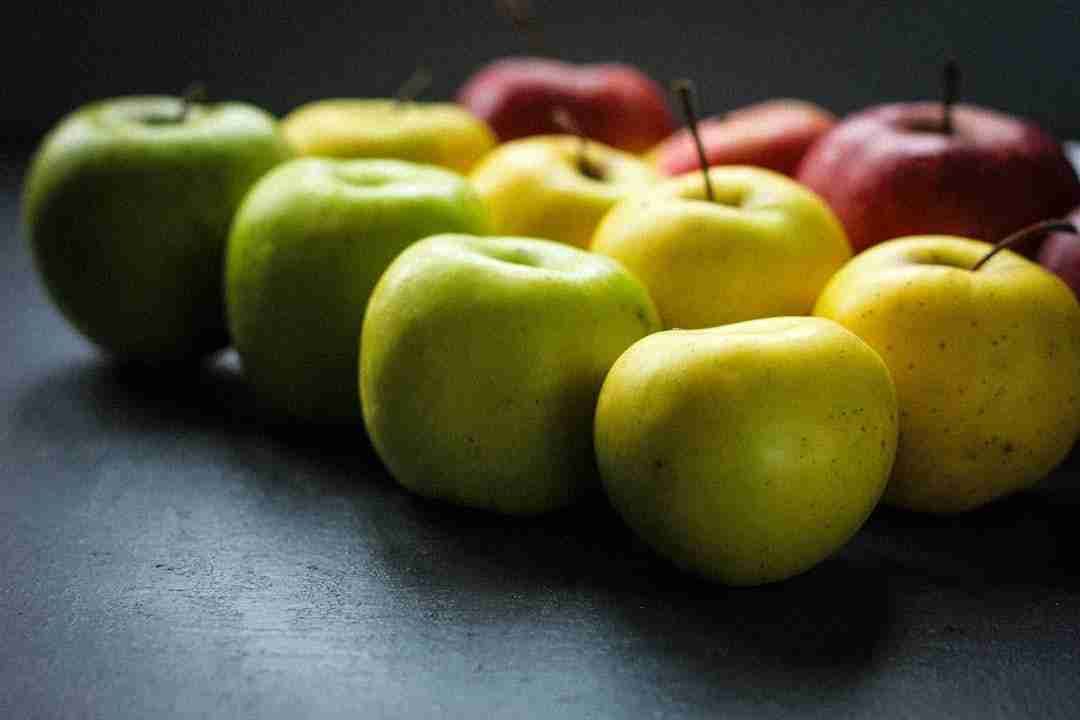
The crisp air of autumn carries more than just the promise of falling leaves and cozy sweaters. It holds the secret to more flavorful and nutritious meals. Imagine biting into a juicy apple, freshly picked and bursting with the tastes of the season. This isn't just a sensory delight; it's a pathway to better health and well-being. Eating with nature—consuming foods that are in season—can transform your relationship with food and your overall health. It's not merely a trend; it's a practice grounded in nutrition science and sustainability.
The Science Behind Seasonal Eating: Nutrient Density and Freshness
When produce is in season, it's harvested at its peak ripeness, which means it's packed with the maximum amount of nutrients. Consider this: a study from the International Journal of Food Science & Technology found that broccoli grown in its natural season contained higher levels of vitamin C compared to those grown out of season. The reality is, when fruits and vegetables are allowed to ripen naturally, they develop a more robust nutrient profile.
Freshness plays a crucial role in this nutrient density. Seasonal produce is often fresher because it doesn't require long storage or transportation times, which can degrade its nutritional quality. As an example, spinach loses about half of its folate content after just eight days in storage. By choosing seasonal, local produce, you're maximizing your intake of essential vitamins and minerals. The takeaway? Eating with nature can significantly boost the nutrient density of your diet, providing your body with the nutrients it needs to function optimally.
Moreover, the taste of seasonal produce is often superior, making meals more enjoyable and satisfying. A ripe, in-season tomato, for instance, offers a burst of flavor that simply cannot be matched by its off-season counterpart. This not only enhances the eating experience but also encourages a greater appreciation for the natural flavors of food.
Saving Money While Eating Seasonally: A Realistic Approach
Eating seasonally doesn't just benefit your health; it can also be easier on your wallet. When foods are in season, there's typically an abundance of them, which drives prices down. Think of strawberries. In peak season, they're often much cheaper compared to the off-season, when they're imported from far away.
Here's a practical tip: familiarize yourself with your local growing seasons. For instance, in many parts of the United States, tomatoes peak in the summer. During this time, they're not only tastier but also less expensive. Farmers' markets are a great resource for finding seasonal produce. To locate a market near you, the USDA's Local Food Directory is an invaluable tool.
Planning meals around seasonal produce can reduce grocery expenses while enjoying fresher, tastier food. This approach isn't just frugal; it's a direct way to support local agriculture and reduce the carbon footprint associated with transporting food long distances. By investing in local produce, you're contributing to the local economy, fostering community resilience, and promoting sustainable farming practices.
Understanding the Environmental Impact: Sustainability at Its Core
Eating seasonally aligns with sustainable practices. Foods grown at their natural time require fewer resources, such as water and fertilizers, and they don't need to be shipped from far-off places. This reduces greenhouse gas emissions significantly. According to research published in the journal Environmental Science & Technology, consuming out-of-season produce, which often needs to be imported, can increase the carbon footprint of your diet by up to 10%.
Moreover, when you choose seasonal foods, you're supporting local farmers and reducing the demand for products that need extensive processing and packaging. This means less waste and less energy consumption overall. So, not only does seasonal eating benefit your body, but it also supports the health of the planet.
A commitment to seasonal eating can encourage sustainable agricultural practices, such as crop rotation and biodiversity, which enhance soil health and reduce pest outbreaks without heavy reliance on chemical pesticides. This holistic approach to farming safeguards ecosystems and preserves natural resources for future generations.
Culinary Adventures: Expanding Your Palate with Seasonal Flavors
Seasonal eating invites you to explore an array of flavors and ingredients you might not typically use. Embracing this approach can turn cooking into an exciting culinary adventure. For instance, spring brings tender asparagus and sweet peas, while winter offers hearty root vegetables like turnips and parsnips.
By focusing on what's in season, you can broaden your cooking repertoire and discover new favorite dishes. Have you ever tried kohlrabi in a salad or roasted persimmons as a dessert? These are just examples of how eating seasonally can enrich your meals with diverse flavors and textures.
Incorporating seasonal recipes into your routine can be a delightful challenge. Websites like Epicurious offer a plethora of recipes sorted by season, making it easy to find inspiration for your next meal. By doing so, you not only enhance the diversity of your diet but also foster a deeper connection to the food you eat.
Trying new ingredients and recipes can make meal preparation more engaging and rewarding. Seasonal eating can rekindle a sense of curiosity and creativity in the kitchen, making mealtime something to look forward to each day.
Addressing Challenges: Overcoming the Barriers to Seasonal Eating
Adopting a seasonal eating approach can be daunting, especially for those accustomed to year-round availability of all produce. However, with a few strategic steps, you can overcome these challenges. One common hurdle is the perception that seasonal eating limits food options. This isn't necessarily true. It requires a shift in mindset to embrace the idea of rotating produce based on availability.
To ease the transition, start by incorporating one or two seasonal ingredients into your meals each week. Apps like Seasonal Food Guide can help you identify what's in season in your area. Slowly building a repertoire of seasonal dishes will make the process feel less restrictive and more rewarding.
Another challenge is the misconception that seasonal eating is time-consuming. Planning meals around what's available can actually simplify meal prep. Batch cooking and freezing seasonal produce can ensure you have nutritious ingredients on hand, even when they're no longer in season.
Practical Takeaways: Steps to Embrace Seasonal Eating Today
Ready to start savoring the season? Here are actionable steps to incorporate seasonal eating into your lifestyle today:
-
Research Local Seasons: Understand the growing seasons in your region. This knowledge will guide your shopping and meal planning.
-
Visit Farmers' Markets: These markets are treasure troves of fresh, local produce. Speak with vendors to learn more about what's in season and get cooking tips.
-
Plan Meals Around Seasonal Foods: Use seasonal produce as the star of your meals. This not only adds variety but also ensures you're getting the most nutrients.
-
Preserve Seasonal Produce: Consider freezing or canning surplus produce. This allows you to enjoy the flavors of the season year-round.
-
Experiment with New Recipes: Challenge yourself to try new dishes with seasonal ingredients. Resources like AllRecipes offer seasonal collections that can inspire your culinary creativity.
-
Educate Yourself: Apps and websites dedicated to seasonal eating can provide ongoing support and information. Keeping informed will enhance your seasonal eating journey.
-
Engage with Your Community: Participate in community-supported agriculture (CSA) programs or gardening clubs to deepen your understanding of seasonal produce and farming.
By taking these steps, you can begin to experience the myriad benefits of seasonal eating—better health, savings, and a smaller environmental footprint. It's a simple yet powerful way to engage with food that's both nourishing and sustainable.