Soothing the Headache Beast with Ginger and Peppermint
Headaches can strike at any time, turning a day of productivity into a struggle against the throbbing pain. While reaching for over-the-counter medications might seem like the quickest fix, many people are turning to nat

Headaches can strike at any time, turning a day of productivity into a struggle against the throbbing pain. While reaching for over-the-counter medications might seem like the quickest fix, many people are turning to natural remedies to soothe their headaches. Among these, ginger and peppermint stand out for their effectiveness and ease of use. Imagine dealing with a headache without the side effects of traditional medicine and instead using ingredients that might already be in your kitchen.
The Science Behind Ginger's Power in Reducing Headaches
Ginger isn't just a spice for your favorite dish. This root has been used for centuries in traditional medicine, and modern science is beginning to back up its efficacy. Research shows that ginger can reduce the severity of headaches, particularly migraines, thanks to its anti-inflammatory properties. A study in the Journal of Phytotherapy Research found that ginger powder was as effective as sumatriptan, a common migraine medication, but without the side effects.
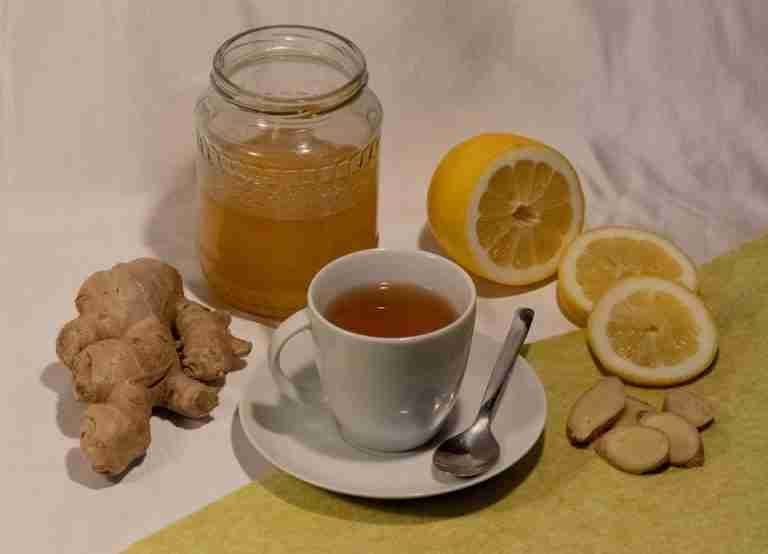
To harness the power of ginger, consider making a ginger tea. Simply slice fresh ginger root and steep it in boiling water for about 10 minutes. Adding a bit of honey can enhance the flavor while also providing additional soothing properties. Some prefer ginger supplements, which are available in most health stores. However, it's essential to follow the dosage instructions on these products to avoid any adverse effects.
Exploring Ginger's Historical Uses and Benefits
Ginger's use in traditional medicine extends beyond headache relief. In Ayurveda, ginger is known as a universal medicine due to its versatile applications. It has been used to treat nausea, improve digestion, and reduce inflammation in various parts of the body. These properties make ginger an excellent choice not only for headache relief but also for promoting overall wellness. By incorporating ginger into your diet, you can potentially boost your immune system and improve your body's response to inflammation, which is a common trigger for headaches.
Peppermint Oil: A Natural Pain Reliever
Peppermint oil has long been recognized for its calming and numbing effects, making it an excellent choice for headache relief. Its active ingredient, menthol, helps relax muscles and ease tension headaches. A study published in the International Journal of Clinical Practice found that applying peppermint oil to the temples and forehead can significantly reduce headache intensity within 15 minutes. It's a quick and easy method when you're in need of fast relief.

For application, you can mix a few drops of peppermint oil with a carrier oil, such as coconut or almond oil, and gently massage it onto your temples. Be mindful not to apply undiluted peppermint oil directly to the skin, as it can cause irritation. Alternatively, inhaling peppermint oil by adding a few drops to a diffuser can also be effective in reducing headache symptoms.
The Versatility of Peppermint Beyond Headache Relief
Beyond its headache-relieving properties, peppermint oil can be used in various ways to enhance well-being. Its invigorating scent can improve concentration and mental clarity, making it a valuable tool during long workdays or study sessions. Peppermint oil is also known for its ability to alleviate symptoms of irritable bowel syndrome (IBS) and provide relief from indigestion. By incorporating peppermint into daily life, whether through inhalation or topical application, you can experience a range of benefits that contribute to better mental and physical health.
Combining Ginger and Peppermint for Enhanced Results
While ginger and peppermint are effective on their own, combining them can amplify their benefits. This combination targets both the inflammation and the muscle tension that often accompany headaches. Consider making a ginger and peppermint tea by adding a few drops of peppermint oil to your ginger tea. This dual approach can provide a more comprehensive relief from headache symptoms.
Some may prefer using a topical blend by adding both ginger and peppermint oils to a carrier oil for a soothing massage. This method not only alleviates headache pain but also provides a calming aromatherapy experience. For those interested in exploring different combinations, experimenting with other complementary essential oils like lavender or eucalyptus can create a personalized blend that suits your specific needs and preferences.
Practical Tips for Using These Remedies Safely
Safety is paramount when using any natural remedy. It's important to conduct a patch test before using oils on the skin to check for any allergic reactions. Pregnant women should exercise caution, particularly with peppermint oil, as it can affect uterine blood flow. Consulting with a healthcare professional is always recommended before starting any new treatment, especially for those with pre-existing health conditions or those taking other medications.
Understanding Dosage and Timing for Maximum Effectiveness
One key to successfully using ginger and peppermint for headache relief is understanding the appropriate dosage and timing. For ginger, consuming too much can lead to digestive issues, so it's best to start with a small amount and observe how your body reacts. As for peppermint oil, a few drops are usually sufficient for topical application or inhalation. Timing is also crucial; applying or consuming these remedies at the onset of a headache can prevent it from escalating. Keeping these factors in mind will help you achieve the best results from these natural remedies.
Incorporating Ginger and Peppermint into Daily Routine
Beyond their immediate headache-relief benefits, ginger and peppermint can be incorporated into your daily routine for overall health improvements. Ginger can be added to meals for its anti-inflammatory benefits, while peppermint tea can be a relaxing end to a stressful day. Regular use of these ingredients can help reduce the frequency and severity of headaches over time.
For those interested in exploring ginger supplements, brands like Swanson offer high-quality options. Peppermint oils can be found through reputable suppliers such as doTERRA.
Creative Ways to Enjoy Ginger and Peppermint
There are numerous ways to enjoy the benefits of ginger and peppermint beyond traditional tea and oil applications. Try incorporating ginger into your cooking by adding it to soups, stir-fries, or smoothies. For peppermint, consider adding a few drops of peppermint oil to your bath for a soothing soak or using peppermint-infused candles to create a calming environment. By creatively incorporating these ingredients into your lifestyle, you can enjoy their health benefits in a variety of enjoyable ways.
Cost and Accessibility: Making It Work for You
One of the most appealing aspects of using ginger and peppermint for headache relief is their affordability and accessibility. Fresh ginger root can be found in most grocery stores for a modest price, and peppermint oil is available online and in health food stores. This makes them a practical choice for those seeking natural relief without breaking the bank.
Budget-Friendly Tips for Incorporating Natural Remedies
Incorporating natural remedies into your daily routine doesn't have to be expensive. To save on costs, consider buying ginger in bulk or growing your own peppermint plant at home. Not only will this provide you with a consistent supply, but it also ensures the freshness and quality of the ingredients you use. Additionally, purchasing essential oils in larger quantities can often reduce the cost per ounce, making it a more economical option in the long run.
What to Do If Headaches Persist
While natural remedies can be effective, they might not work for everyone. If headaches persist or worsen, it may be time to seek professional medical advice. Chronic headaches can be indicative of underlying health issues that require more comprehensive treatment. Keeping a headache diary to track frequency, intensity, and possible triggers can provide valuable insight for healthcare providers.
Taking Action Today
So, why not give ginger and peppermint a try? These natural remedies offer a simple, effective way to combat headaches without relying solely on pharmaceuticals. With the added benefit of being easy to incorporate into daily life, they present a practical solution for many. Next time a headache strikes, remember that relief could be just a cup of tea or a soothing oil massage away.
By making informed choices and trying these natural options, you can take control of your headache management. Start with a small step today—brew a cup of ginger tea or apply a bit of peppermint oil. These simple actions might just tame the headache beast lurking in the background of your busy life.