Spotting Subtle Signs of Anxiety in Kids That Often Go Unnoticed
Imagine a child who once loved playing with friends but now avoids social gatherings. Or one who's suddenly struggling to concentrate in school despite being a stellar student. These scenarios often puzzle parents and te
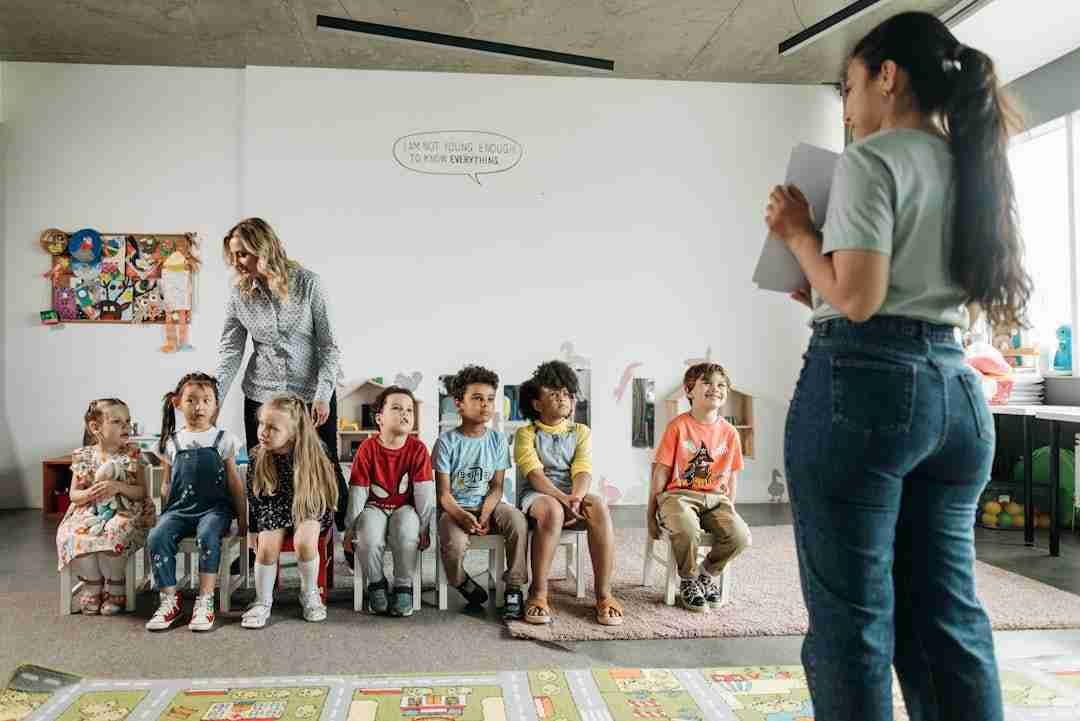
Imagine a child who once loved playing with friends but now avoids social gatherings. Or one who's suddenly struggling to concentrate in school despite being a stellar student. These scenarios often puzzle parents and teachers, but they might be subtle cries for help from a child experiencing anxiety. Recognizing these signs early can make a world of difference. Experts suggest that anxiety in children frequently goes unnoticed because the symptoms are mistaken for common childhood behavior or dismissed as developmental phases. The reality is that anxiety can manifest in ways that are not immediately obvious, and understanding these hidden indicators can empower adults to provide better support.
Unexplained Physical Complaints: What They Might Really Mean
Children often express anxiety through physical symptoms. Complaints of stomachaches, headaches, or other vague ailments might be more than just attempts to skip school. Research shows that anxiety can manifest as physical discomfort because children might not have the vocabulary to express their feelings. It's important to pay attention to patterns. If a child frequently complains of feeling sick in certain situations—like before school or social events—it might be worth exploring the possibility of anxiety. Parents might observe that these complaints coincide with stressful events or changes in routine, which can further indicate anxiety as the underlying issue.
Perfectionism and Fear of Failure: More Than Just High Standards
Perfectionism in children can sometimes be a red flag for anxiety. While it's normal for some kids to strive for excellence, an intense fear of making mistakes or not meeting expectations can indicate underlying anxiety. This often results in children spending excessive time on assignments, becoming upset over minor errors, or avoiding tasks they perceive as challenging. According to child psychologists, this behavior is driven by an overwhelming fear of failure rather than simply having high standards. Parents and educators can support these children by emphasizing effort over perfection and celebrating small achievements, which can alleviate some of the pressure they feel.
Constant Worry and Overthinking: The Silent Intruders
Some children exhibit anxiety through excessive worrying. They might frequently ask "what if" questions or become preoccupied with potential negative outcomes. This overthinking can disrupt their ability to enjoy everyday activities. For instance, a child might worry incessantly about their performance in a school play long before the event. It's crucial to listen to these worries, no matter how trivial they may seem, as they can provide insights into the child's emotional state. Engaging in open discussions about these worries and providing reassurance can help children feel more secure and less overwhelmed.
Changes in Eating Habits: Anxiety's Impact on Appetite
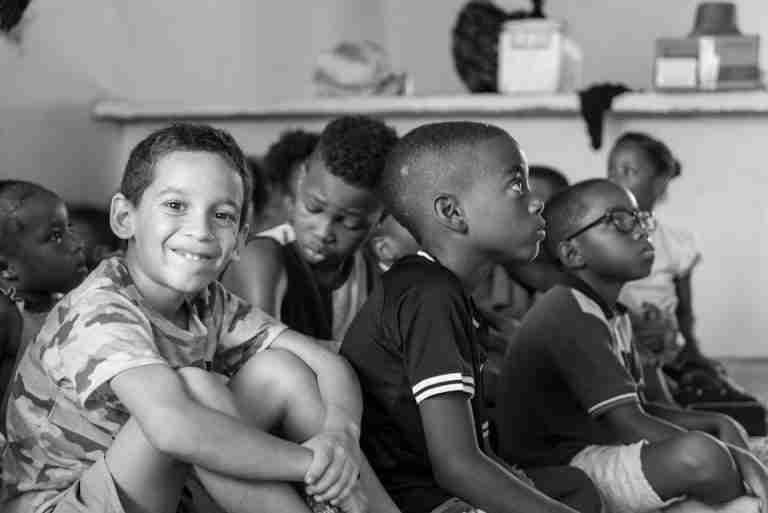
Anxiety can also affect a child's appetite, leading to either overeating or a loss of interest in food. Sudden changes in eating patterns, without an obvious cause like illness or significant lifestyle changes, might be linked to anxiety. Nutritionists and pediatricians often note that stress can disrupt normal eating behaviors, and in children, this might present as a newfound pickiness or an unusual craving for comfort foods. Parents can address these changes by maintaining a balanced diet and encouraging regular mealtimes, which can help stabilize eating habits and reduce anxiety-related symptoms.
Sleep Disturbances: More Than Just Restless Nights
Sleep issues are another common but overlooked sign of anxiety in children. Difficulty falling asleep, frequent nightmares, or waking up multiple times during the night can signal anxiety. Sleep specialists explain that these disturbances occur because anxiety heightens the body's stress response, making it hard to relax. If a child consistently struggles with sleep, it might be worth discussing these patterns with a healthcare provider. Establishing a calming bedtime routine, such as reading a book or listening to soothing music, can help children unwind and improve their sleep quality.
Social Withdrawal: It's Not Just Shyness
While some children are naturally introverted, a sudden withdrawal from social activities can be a cause for concern. If a child who previously enjoyed playdates and parties starts avoiding these interactions, it might indicate anxiety. This behavior can stem from a fear of being judged or not fitting in with peers. Social anxiety is particularly challenging because it can significantly impact a child's self-esteem and relationships. Encouraging gradual exposure to social situations and providing positive reinforcement can help build confidence and ease social anxiety.
Difficulty Concentrating: Not Always a Focus Issue
Anxiety can make it hard for children to concentrate, often leading to misunderstandings about their academic abilities. Teachers might notice that a child seems distracted or unable to follow lessons, attributing it to a lack of attention. However, the underlying issue might be anxiety, which diverts mental resources away from the task at hand. Pediatric psychologists suggest that if concentration issues are coupled with other anxiety symptoms, it's worth investigating further. Strategies like breaking tasks into smaller, manageable steps or offering short breaks can help improve focus and reduce anxiety-related distractions.
Frequent Meltdowns or Tantrums: A Cry for Help
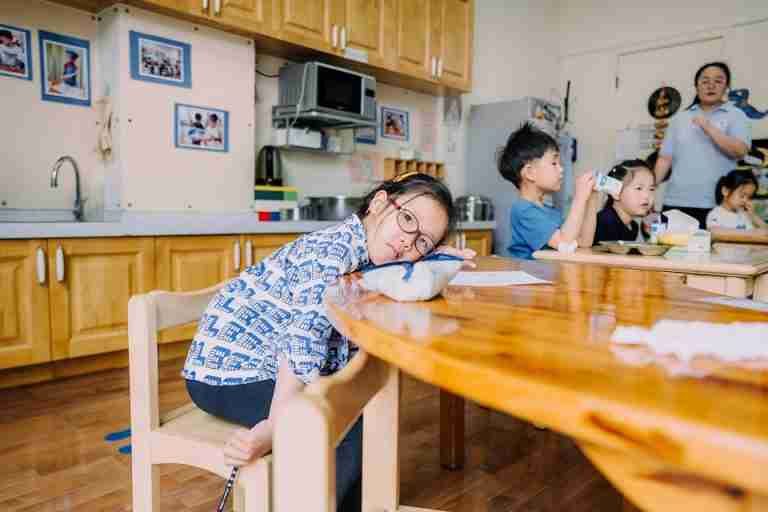
Meltdowns in children can sometimes be dismissed as temperamental behavior, but they might be indicative of anxiety. Children experiencing anxiety might have frequent emotional outbursts in response to what seem like minor stressors. These outbursts occur because the child is overwhelmed and lacks the skills to cope with their emotions effectively. Observing when and where these meltdowns occur can provide clues about the triggers and underlying anxiety. Offering tools for emotional regulation, such as deep breathing or counting exercises, can help children manage their reactions more constructively.
Encouraging Open Communication: Helping Kids Express Anxiety
Facilitating open communication is a vital step in helping children manage anxiety. Encouraging them to talk about their feelings can be incredibly beneficial. Creating a safe environment where children feel heard and validated can make it easier for them to express their concerns. Some parents and teachers find that using tools like Mood Meter or Emotion Wheel aids in helping children identify and articulate their emotions. Encouraging the use of journaling or drawing as forms of expression can also provide children with alternative ways to process their feelings.
Professional Support and Resources: When to Seek Help
If anxiety symptoms persist or significantly impact a child's daily life, seeking professional help is advisable. Child psychologists, therapists, and counselors are trained to work with children and can provide strategies to manage anxiety. School counselors can also be a valuable resource. For those looking to explore therapeutic options, Child Mind Institute offers a wealth of information and guidance on finding appropriate support. Parents and caregivers are encouraged to reach out to these professionals to ensure that children receive the necessary support to navigate their anxiety effectively.
Empowering Children with Coping Strategies: Tools They Can Use
Empowering children with coping strategies is crucial in managing anxiety. Techniques like deep breathing exercises, mindfulness, and guided imagery can be effective. Apps such as Headspace for Kids offer guided meditations specifically designed for children, making it fun and engaging for them to practice relaxation techniques. Incorporating these practices into daily routines can help children build resilience and equip them with the skills needed to manage anxiety in various situations.
Building a Supportive Routine: Consistency as a Comfort
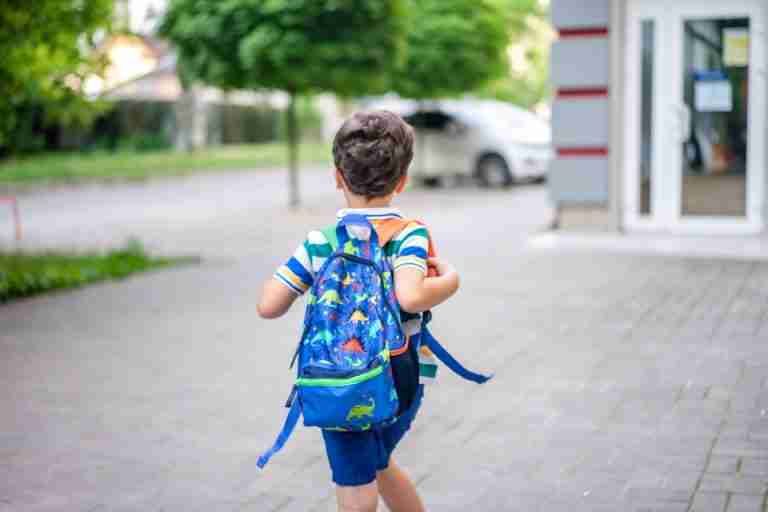
Establishing a consistent daily routine can provide a sense of security for anxious children. Predictability helps reduce anxiety by creating a stable environment. Setting regular times for homework, meals, and bedtime can help children feel more in control. Additionally, incorporating calming activities like reading or drawing before bed can ease transition into sleep. Routines that include physical activity, such as a daily walk or playtime, can also be beneficial in reducing stress and promoting overall well-being.
Encouraging Positive Self-Talk: Reframing Negative Thoughts
Teaching children to reframe negative thoughts is a powerful tool in combating anxiety. Encouraging positive self-talk can help them develop a healthier mindset. For example, if a child is worried about a test, guiding them to replace "I'm going to fail" with "I've studied and I'll do my best" can build resilience. Resources like Mindfulness for Kids offer exercises that promote positive thinking. Practicing these techniques regularly can help children internalize positive affirmations and reduce anxiety over time.
The journey to understanding and addressing anxiety in children isn't always straightforward, but the benefits of doing so are immense. By spotting the subtle signs and taking proactive steps, caregivers can make a meaningful impact. Today, consider starting a conversation with a child about their feelings, or introduce a fun relaxation technique. These small actions can pave the way for a more supportive and understanding environment, helping children navigate their anxieties with confidence.