Swapping Chips for Chickpeas: A Snack Revolution
In the bustling aisles of supermarkets, a quiet revolution is taking place. Shoppers are swapping their beloved bags of potato chips for something unexpected: chickpeas. Once relegated to the occasional salad or hummus d
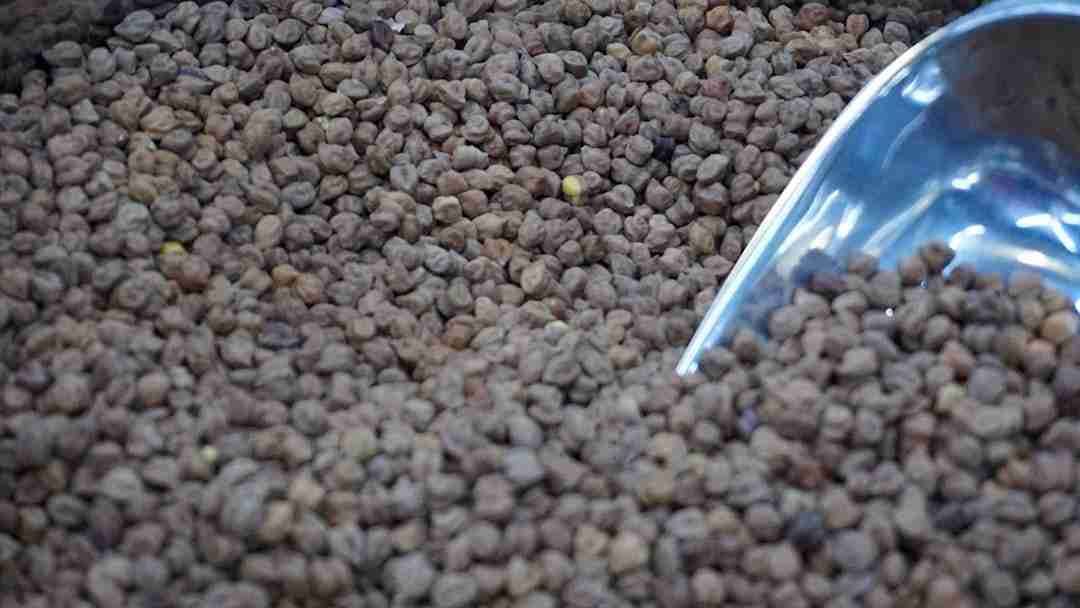
In the bustling aisles of supermarkets, a quiet revolution is taking place. Shoppers are swapping their beloved bags of potato chips for something unexpected: chickpeas. Once relegated to the occasional salad or hummus dip, chickpeas are now starring in the snack aisle, promising a healthier crunch. What's driving this shift? It's not just a trend. It's a movement towards healthier snacking that's capturing the attention of nutritionists and snack enthusiasts alike.
The Protein Power of Chickpeas
Chickpeas are more than just a tasty legume. They're a powerhouse of nutrition. For every 100 grams, these little nuggets pack about 19 grams of protein. That's nearly twice the protein found in an equivalent serving of potato chips. This makes chickpeas an excellent choice for anyone looking to increase their protein intake without resorting to meat or dairy products. Protein is essential for building and repairing tissues, and it helps keep you full longer. So, when you reach for a handful of chickpea snacks, you're not just satisfying a craving; you're fueling your body with essential nutrients.
Protein plays a crucial role in muscle maintenance and growth, making chickpeas an attractive option for athletes and those with active lifestyles. They can form a vital part of post-workout nutrition, helping to repair muscles and replenish energy stores after intense physical activity. For vegetarians and vegans, chickpeas serve as a versatile protein source that can be incorporated into various meals and snacks.
But protein isn't the only benefit. Chickpeas are also rich in fiber, offering up to 7.6 grams per 100 grams. Fiber aids digestion and can help regulate blood sugar levels. In contrast, traditional chips often lack fiber, leading to quick spikes in blood sugar followed by energy crashes. Choosing chickpeas means you're opting for sustained energy and better digestive health. This high fiber content also contributes to heart health by helping to lower cholesterol levels, reducing the risk of cardiovascular diseases.
Roasted, Popped, or Baked: The Versatility of Chickpeas
The versatility of chickpeas in snacking is astonishing. They can be roasted, popped, or baked, catering to a variety of taste preferences. Roasted chickpeas can be seasoned with anything from spicy chili powder to sweet cinnamon, making them a customizable snack that can suit any craving. Popped chickpeas, on the other hand, offer a lighter, airier texture similar to popcorn but with more protein.
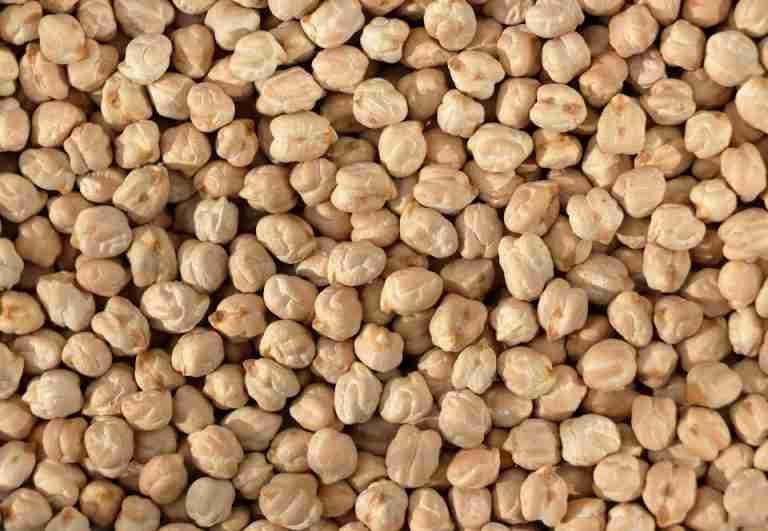
Consider roasted chickpeas from Biena Snacks or popped chickpeas from The Good Bean. These brands highlight how chickpeas can be transformed into snacks that are as exciting as they are nutritious. Their wide range of flavors, from classic sea salt to bold barbecue, ensures there's something for every palate. And for those who prefer a softer texture, baked chickpeas are an option. They can be easily made at home by baking canned chickpeas in the oven and sprinkling them with your favorite spices.
Chickpea flour, also known as besan, adds another layer of versatility. It can be used to make gluten-free chips, crackers, and even pancakes, expanding the range of snacks available to those willing to experiment in the kitchen. This adaptability makes chickpeas a staple ingredient for innovative snack creations, whether store-bought or homemade.
Comparing Calories: Chickpeas vs. Chips
Calories matter, especially if you're conscious about maintaining a healthy weight. A 30-gram serving of roasted chickpeas contains approximately 120 calories, while the same amount of potato chips typically has around 160 calories. While the difference might seem small, those extra calories can add up quickly for frequent snackers.
The nutritional profile of chickpeas is superior. The lower calorie count of chickpeas comes with significantly higher amounts of protein and fiber, which help keep you full and satisfied longer. This means you're less likely to overindulge, making chickpeas a smart choice for those looking to snack mindfully. This mindful snacking can contribute to better weight management and reduced risk of obesity-related health issues.
Chickpeas also contain a range of micronutrients such as iron, magnesium, phosphorus, and manganese, which are often lacking in traditional snack foods. These nutrients play critical roles in maintaining energy levels, bone health, and overall metabolic function. By choosing chickpeas, you're not only cutting down on empty calories but also enhancing your diet with essential vitamins and minerals.
Chickpeas: A Gluten-Free Snacking Solution
For those following a gluten-free diet, chickpeas are a natural fit. Traditional chips often contain gluten or are processed in facilities that handle gluten, posing a risk for those with celiac disease or gluten sensitivity. Chickpeas are naturally gluten-free, providing a safe and nutritious alternative.
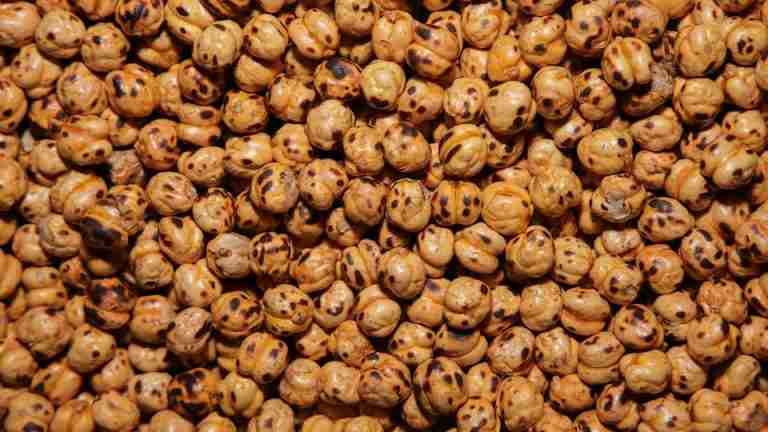
Many brands are capitalizing on this quality. Saffron Road offers chickpea snacks that are not only gluten-free but also free from artificial additives. This aligns with the growing demand for cleaner labels and transparency in food production. As consumers become more aware of what goes into their food, chickpeas present a wholesome option that doesn't compromise on taste or texture.
In addition to being gluten-free, chickpeas are low in allergens compared to many other snack options. This makes them a suitable choice for families with diverse dietary needs and restrictions. Providing a snack that everyone can enjoy promotes inclusivity and eases the stress of catering to specific dietary requirements.
The Environmental Impact of Choosing Chickpeas
Beyond personal health, there's an environmental angle to consider. Chickpeas have a lower carbon footprint compared to potato crops. They require less water and fertilizers, making them a more sustainable choice. In a world increasingly aware of the environmental impact of food production, choosing chickpeas can be a small but meaningful step towards sustainability.
Research indicates that legumes like chickpeas enrich the soil by fixing nitrogen, reducing the need for synthetic fertilizers. This process not only benefits the environment but also supports sustainable farming practices. By opting for chickpeas, you're supporting a food system that's kinder to the planet. Moreover, the reduced water usage associated with growing chickpeas helps conserve valuable resources, an essential consideration in areas prone to drought and water scarcity.
How to Make Your Own Chickpea Snacks at Home
For those who enjoy a hands-on approach, making chickpea snacks at home is both simple and rewarding. Begin with canned chickpeas, which are convenient and ready to use. Drain and rinse them thoroughly before spreading them on a baking sheet. Drizzle with olive oil and season with your choice of spices. Popular options include smoked paprika, garlic powder, or even a dash of cayenne for heat.
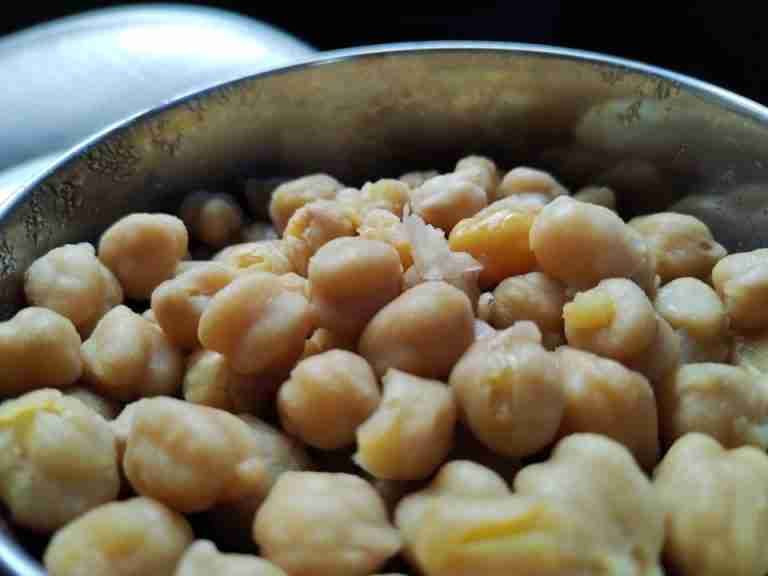
Bake at 400°F (200°C) for about 30-40 minutes, stirring halfway through to ensure even crisping. The result is a crunchy, flavorful snack that's perfect for on-the-go munching or a quick pick-me-up during work hours. This DIY approach allows you to control the ingredients, ensuring a snack that's free from preservatives and tailored to your taste.
Experimenting with different spice blends can keep your homemade snacks exciting. Try blending cumin and coriander for a Middle Eastern flair or rosemary and sea salt for a Mediterranean twist. The possibilities are endless, limited only by your imagination and taste preferences.
Exploring the Market: Where to Buy Chickpea Snacks
The growing popularity of chickpea snacks has led to a surge in availability. Most grocery stores now stock a variety of options, often in the health food section. For those who prefer online shopping, platforms like Amazon offer a wide range of brands and flavors, often at competitive prices.
Some brands to explore include Hippeas, known for their puffed chickpea snacks, and Chickpea Chips from Kibo, which offer a chip-like experience with the nutritional benefits of chickpeas. These products provide an easy entry into the world of healthy snacking, with the convenience of being readily available. The wide assortment of flavors and formats ensures that there's something for every taste preference and dietary requirement.
Making the Switch: Practical Tips for Transitioning to Healthier Snacks
Switching from traditional chips to chickpeas might seem daunting, but it doesn't have to be. Start by gradually incorporating chickpea snacks into your routine. Replace one or two snack sessions a week with chickpeas, and observe how your body responds. Pay attention to energy levels and satiety, as these are good indicators of how well your body is adjusting.
Another tip is to experiment with different flavors and textures to find what you enjoy most. Whether you prefer spicy, salty, or sweet, there's likely a chickpea snack that fits the bill. Lastly, keep an open mind. Your taste buds might take some time to adjust, but the health benefits and variety of options make it a worthwhile endeavor.
Consider pairing chickpea snacks with other healthy options like fresh fruit, yogurt, or a handful of nuts to create a balanced snack plate. This not only enhances nutritional intake but also provides a satisfying blend of flavors and textures. Embracing chickpea snacks is more than just a dietary change. It's a commitment to health, sustainability, and mindful eating. By making this simple swap, you can enjoy delicious snacks that support both personal well-being and the environment. Why not start today? The snack aisle is waiting, and chickpeas are ready to take their place in your pantry.