Swapping Your Afternoon Coffee for a Green Smoothie: A Week-Long Experiment
Ever find yourself at 3 p.m. reaching for that third cup of coffee, hoping it will give you the jolt you need to get through the rest of the day? You're not alone. Many people rely on caffeine to combat the afternoon slu
Ever find yourself at 3 p.m. reaching for that third cup of coffee, hoping it will give you the jolt you need to get through the rest of the day? You're not alone. Many people rely on caffeine to combat the afternoon slump. But what if there was a healthier alternative that not only perks you up but also provides a powerhouse of nutrients? Enter the green smoothie. Swapping your afternoon coffee for this vibrant drink could be a game-changer for your energy levels and overall health.
The Nutrient Powerhouse: Spinach and Kale
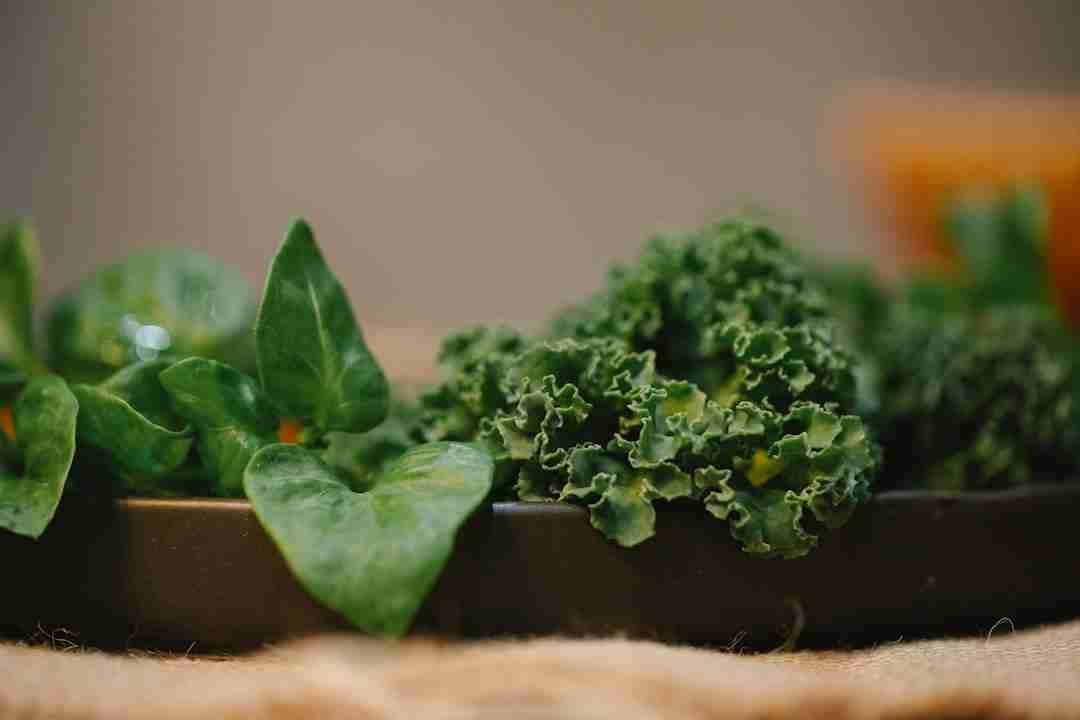
When it comes to crafting the perfect green smoothie, spinach and kale are the go-to greens. These leafy vegetables are packed with nutrients that can provide a natural energy boost. Spinach is rich in iron and magnesium, both of which play a crucial role in energy production and muscle function. Kale, on the other hand, is high in vitamin C, which helps with collagen production and immune function.
To illustrate the nutritional benefits, consider that one cup of raw spinach contains nearly 10% of the daily recommended intake of iron for women. This is significant, especially for those who may be prone to iron deficiency. Kale is equally impressive, offering more vitamin C per gram than an orange, which is commonly associated with this nutrient.
Here’s a simple recipe to get started: blend one cup of spinach, one cup of kale, a banana, a cup of almond milk, and a tablespoon of chia seeds. This combination will give you a smoothie that’s not only delicious but also packed with essential nutrients. Feel free to customize this recipe by adding a handful of berries for an antioxidant boost or a spoonful of Greek yogurt for added protein and creaminess.
The Science Behind Natural Energy Boosts
Research shows that the energy from green smoothies is more sustainable compared to that from caffeine. Unlike the quick spike and subsequent crash associated with coffee, the natural sugars and fiber in fruits and vegetables release energy slowly and steadily. This means you’re less likely to experience the dreaded energy crash later in the day.
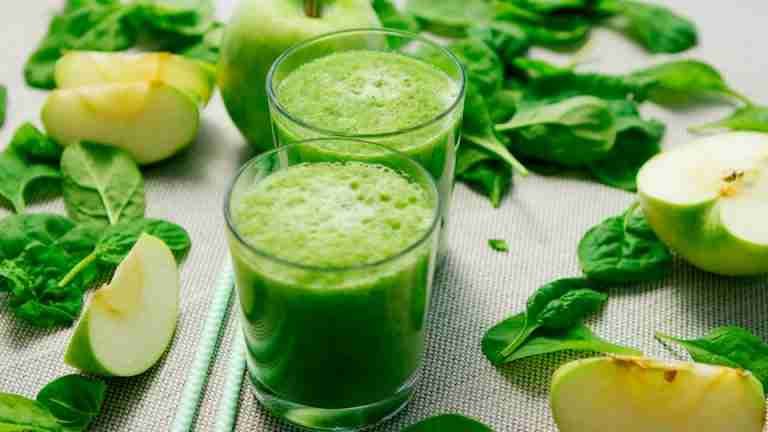
A study published in the journal Appetite found that participants who consumed more fruits and vegetables reported higher energy levels and better mental health. This indicates that the nutrients found in green smoothies can contribute to both physical and mental well-being. The fiber content in these smoothies also plays a substantial role in maintaining energy levels by slowing the absorption of sugar into the bloodstream.
If you're interested in the benefits of consuming more greens, you can explore further here.
Cost-Effective and Time-Saving: A Practical Approach
Many people assume that making smoothies is expensive and time-consuming, but that’s not necessarily the case. Buying greens in bulk can save money, and prepping your ingredients ahead of time can make the process quicker. Consider purchasing a pack of frozen mixed greens, which are often more affordable than fresh ones and have a longer shelf life. Frozen fruits and vegetables are typically flash-frozen at peak ripeness, locking in their nutritional value.
To save time, pre-pack your smoothie ingredients in freezer-safe bags. Each morning, grab a bag, add liquid, and blend. This method can cut your smoothie preparation time down to just a couple of minutes each day. Not only does this streamline your morning routine, but it also ensures you consistently consume a nutritious breakfast without much effort.
How to Customize Your Green Smoothie
One of the best things about green smoothies is their versatility. If you’re not a fan of kale or spinach, try substituting them with other greens like Swiss chard or romaine lettuce. Each green offers a unique set of nutrients, so feel free to experiment. Swiss chard, for instance, is an excellent source of vitamins A and K, while romaine lettuce is rich in folate, essential for DNA synthesis and repair.
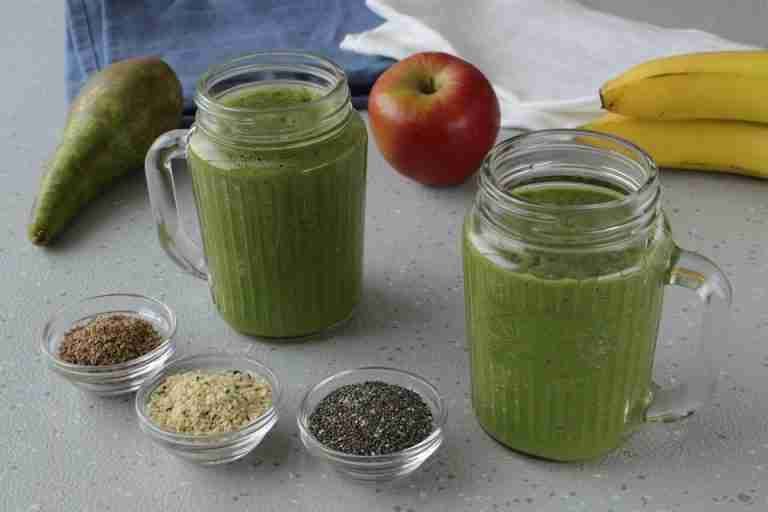
For those who prefer a sweeter smoothie, adding fruits like mango or pineapple can enhance the flavor without the need for added sugars. These fruits not only sweeten the drink but also contribute vitamins and minerals, such as vitamin C and manganese. You can also include a scoop of protein powder or a tablespoon of nut butter to make your smoothie more filling. Such additions can help maintain satiety and provide sustained energy throughout the day.
The Detoxifying Effects You Didn’t Expect
Many find that incorporating green smoothies into their diet leads to improved digestion and detoxification. The high fiber content helps to keep the digestive system moving smoothly, and the chlorophyll in greens is known for its detoxifying properties.
Studies indicate that a diet high in fiber and chlorophyll-rich foods can aid in liver detoxification and improve gut health. Chlorophyll has been shown to bind to potential carcinogens and prevent them from being absorbed by the body, offering protective benefits. If you're curious about how chlorophyll can benefit your body, check out this resource.
Real-Life Results: What to Expect After a Week
Swapping out coffee for green smoothies can lead to noticeable changes in just a week. Many report feeling more alert and less reliant on caffeine to maintain energy levels. You might also notice improvements in skin clarity and digestion due to the nutrient-rich ingredients.

It’s important to note that results can vary based on individual health conditions and lifestyle. However, the general consensus is that incorporating green smoothies offers numerous health benefits that extend beyond just energy levels. Anecdotal evidence suggests improvements in mood, reduced bloating, and enhanced mental clarity as additional benefits of this dietary change.
A Word on Quality Blenders
While you don't need a high-end blender to make a green smoothie, investing in a quality one can make the process easier and the texture smoother. A good blender ensures that leafy greens are thoroughly processed, resulting in a more palatable drink.
Brands like Vitamix and Ninja offer reliable models that can handle the tough fibers of leafy greens. Consider your needs and budget when choosing a blender, as prices can range from $50 to $500. For those new to smoothies, starting with a mid-range option can be a cost-effective way to explore this healthy habit without a significant financial commitment.
Actionable Steps to Start Today
Ready to make the switch? Here’s how you can start incorporating green smoothies into your routine:
-
Gather Your Ingredients: Buy a mix of fresh or frozen greens and fruits. Consider adding superfoods like chia seeds or flaxseeds for extra nutrients. Both chia and flaxseeds are excellent sources of omega-3 fatty acids, which support heart health.
-
Prep Your Smoothie Bags: Spend a few minutes on Sunday afternoon preparing smoothie bags for the week. This small investment of time can make your mornings more efficient. Label each bag with the date to ensure you consume them while they are at their best quality.
-
Blend and Enjoy: Each afternoon, blend your pre-packed ingredients with your choice of liquid—water, almond milk, or coconut water all work well. Experiment with different liquids to find the flavor and texture you enjoy most.
-
Notice the Changes: Pay attention to how your body responds. You may notice increased energy, better digestion, and even clearer skin. Keep a journal to track changes in your mood, energy levels, and overall well-being.
-
Adjust as Needed: Customize your smoothies based on taste preferences and nutritional needs. Experiment with different ingredients to keep things interesting. Try seasonal fruits and vegetables to vary the nutrient profile and taste of your smoothies.
By following these steps, you can seamlessly integrate green smoothies into your daily routine, potentially transforming your energy levels and overall well-being. Whether you're looking to reduce caffeine intake, boost nutrient consumption, or simply try something new, a green smoothie could be just what you need.
Remember, the journey to improved health is a personal one, and small changes can lead to significant results. Start today and see where this simple swap can take you.