Rediscovering Ancient Grains: A Delicious Path to Balanced Living
In a world where convenience often trumps nutrition, it's no wonder many are turning back to the roots of our ancestors—literally. Consider this: ancient grains, those that have remained largely unchanged for thousands o
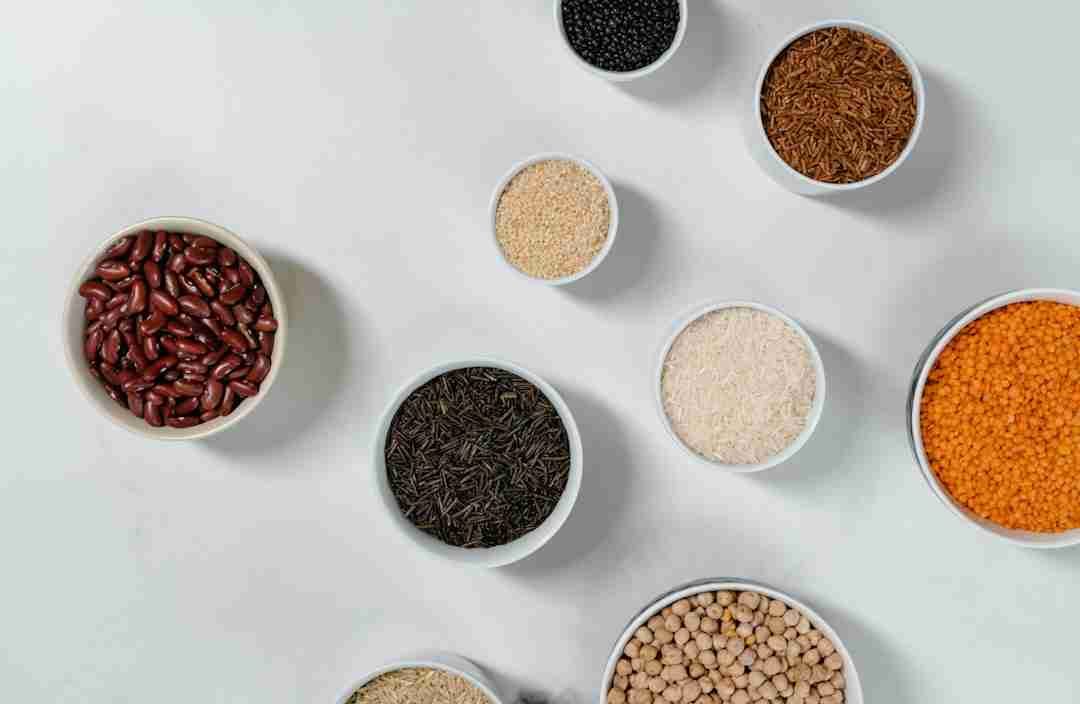
In a world where convenience often trumps nutrition, it's no wonder many are turning back to the roots of our ancestors—literally. Consider this: ancient grains, those that have remained largely unchanged for thousands of years, are making a comeback on dining tables across the globe. Why? Because they offer a wholesome, balanced way to enrich your diet. From quinoa's protein punch to amaranth's calcium boost, these grains are not just filling a nutritional void; they're redefining what it means to eat well.
Quinoa: The Complete Protein Powerhouse
Quinoa is often hailed as the king of ancient grains, and for good reason. Unlike most plant foods, quinoa is a complete protein, meaning it contains all nine essential amino acids that the body cannot produce on its own. This makes it an exceptional choice for vegetarians and vegans seeking to maintain muscle and energy levels.
Cooking with quinoa is straightforward and quick. Rinse the grains thoroughly to remove the natural coating called saponin, which can impart a bitter taste. Simply simmer one part quinoa with two parts water for about 15 minutes, or until the grains have absorbed the water and become translucent. For a flavorful twist, try cooking quinoa in vegetable broth or adding spices like cumin or turmeric.
The versatility of quinoa extends beyond the stovetop. It's perfect for salads, soups, and even as a substitute for rice or pasta. For those interested in experimenting, quinoa flour is available for baking nutrient-dense bread or pancakes. The takeaway here is clear: with quinoa, you're not just adding nutrition to your meals but also variety and flavor.
Amaranth: More Calcium Than Milk
Next up is amaranth, a lesser-known but equally impressive ancient grain. Amaranth is rich in calcium, making it an excellent alternative for those who are lactose intolerant or looking to diversify their calcium sources. Just one cup of cooked amaranth contains about 12% of the daily recommended calcium intake.
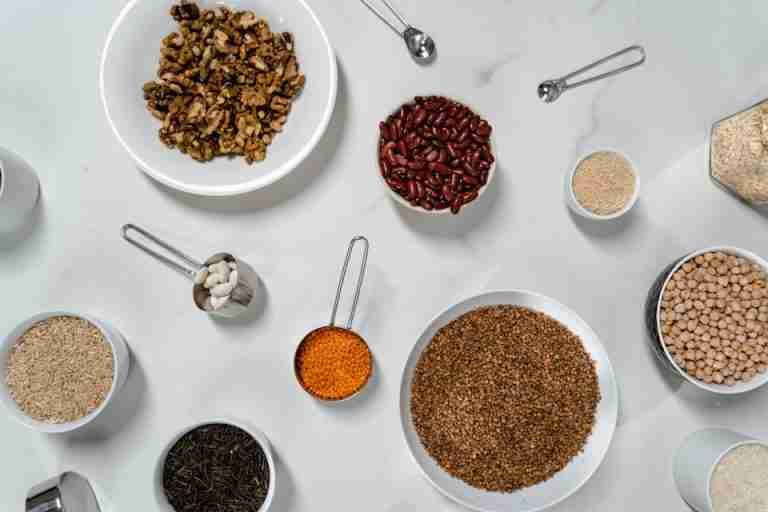
Apart from calcium, amaranth is packed with magnesium, iron, and dietary fiber. Cooking amaranth is similar to quinoa, though it requires a slightly longer simmering time—around 20 minutes. The grain has a nutty flavor and a slightly sticky texture, which makes it ideal for porridge or as a thickening agent in soups and stews.
For a crunchy snack, try popping amaranth seeds in a dry skillet. They puff up like tiny popcorn and can be seasoned with spices for a delicious, calcium-rich treat. The practical takeaway? Amaranth is a versatile ingredient that can easily be incorporated into both sweet and savory dishes, offering a simple way to boost calcium intake.
Kamut: Twice the Protein of Regular Wheat
Kamut, an ancient variety of wheat, is gaining popularity for its higher protein content—up to 30% more than common wheat. This makes it a favored choice for those looking to increase their protein intake without resorting to meat or processed protein powders.
Its nutty flavor and chewy texture make Kamut ideal for salads and pilafs. However, it does require a longer cooking time, typically around 45 to 60 minutes. To speed up the process, consider soaking the grains overnight. Kamut flour is also available and can be used in baking bread, providing a protein-rich alternative to traditional wheat flour.
The nutritional benefits of Kamut don't stop at protein. It's also a good source of selenium, zinc, and magnesium, all of which are crucial for maintaining a healthy immune system. For those who enjoy baking, Kamut flour can be a game-changer, adding both flavor and nutrition to your favorite recipes. The takeaway? Kamut is a versatile grain that supports a high-protein diet while enhancing the flavor of your meals.
Spelt: An Ancient Solution for Modern Digestion
Spelt, another ancient grain, is often recommended for those with mild wheat sensitivities. While not gluten-free, many find spelt easier to digest than modern wheat varieties. This could be attributed to its lower gluten content and different protein structure.
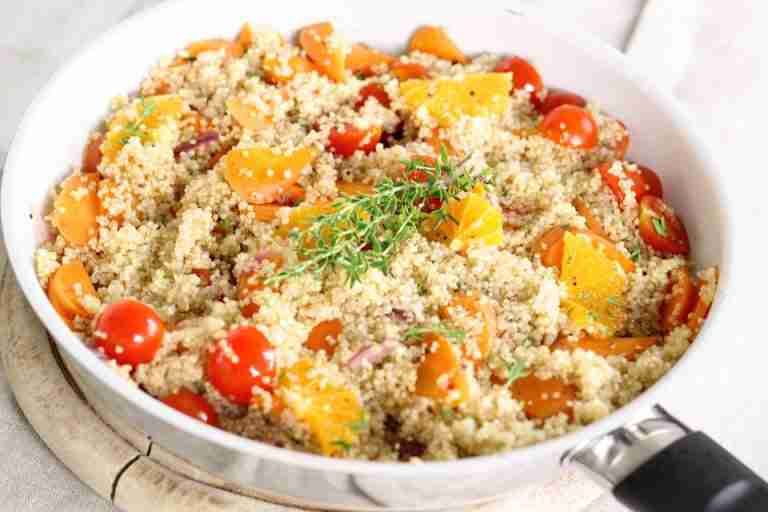
Spelt can be used in much the same way as modern wheat. Spelt flour is ideal for baking, offering a slightly sweet and nutty flavor. It's perfect for pancakes, bread, and cookies. Whole spelt grains can be cooked as a side dish or added to soups and salads for extra texture and nutrition.
The nutritional profile of spelt includes a wealth of fiber, which is essential for a healthy digestive system. It also provides significant amounts of B-vitamins, iron, and manganese. For those looking to improve gut health or diversify their grain intake, spelt offers a tasty and nutritious alternative to consider.
Freekeh: Harvested Young for Maximum Nutrition
Freekeh stands out among ancient grains for its unique harvesting process. The grain is picked while still young and green, then roasted to create a distinct, smoky flavor. This method retains more nutrients than traditional wheat harvesting.
Freekeh is high in protein and fiber, making it an excellent addition to any diet focused on weight management or digestive health. It cooks similarly to rice, requiring about 20 minutes of simmering. Its firm texture and savory flavor make it ideal for salads, pilafs, and as a side dish paired with roasted vegetables or meats.
One notable benefit of freekeh is its prebiotic properties, which can promote a healthy gut microbiome. This ancient grain not only satisfies the palate with its rich taste but also supports overall health by improving digestive function. For those exploring ways to enhance their diet with nutrient-rich grains, freekeh offers both flavor and health benefits.
Teff: The Tiny Grain with Big Benefits
Teff may be the smallest ancient grain, but it's packed with nutritional value. Native to Ethiopia, teff is a staple in traditional Ethiopian cuisine and is renowned for its high iron content. Just one cup of cooked teff provides about 15% of the daily recommended iron intake.

This tiny grain also offers a good source of protein and calcium, and it's naturally gluten-free, making it suitable for those with celiac disease or gluten sensitivities. Teff flour is often used to make injera, a traditional Ethiopian flatbread, but it can also be incorporated into pancakes, muffins, or porridge.
Incorporating teff into your diet is a straightforward way to boost iron and protein intake, particularly for those on a plant-based diet. The grain's versatility in cooking and baking makes it an accessible option for anyone looking to experiment with new ingredients while reaping nutritional benefits.
Getting Started with Ancient Grains
Embracing ancient grains doesn't require a complete dietary overhaul. Start by integrating them into your weekly meal plan in small increments. For instance, replace white rice with quinoa in a stir-fry or use spelt flour in your next baking project. The goal is to gradually familiarize yourself with these grains and enjoy their diverse flavors and textures.
Consider purchasing these grains in bulk from health food stores or online retailers to save on cost. Many brands offer organic options, ensuring you're consuming grains free from pesticides and additives. For those seeking more guidance, resources like Bob's Red Mill offer extensive information and recipes for cooking with ancient grains.
Adopting ancient grains into your diet can lead to improved health and wellness. The diverse nutrients these grains offer can support everything from muscle maintenance to digestive health. By exploring and experimenting with these grains, you're not only honoring culinary traditions but also paving a path toward a more balanced lifestyle.
So, why not give ancient grains a try today? Explore the rich flavors and nutritional benefits they bring to the table. Whether it's a hearty quinoa salad or a cozy bowl of teff porridge, these grains offer a delicious path to balanced living.