The Healing Herbs Your Grandmother Swore By (and Why They’re Making a Comeback)
Imagine opening your grandmother's well-loved kitchen cabinet, filled to the brim with jars of herbs and spices, each with a story to tell. These weren't just for flavoring soups or stews; they were remedies, passed down
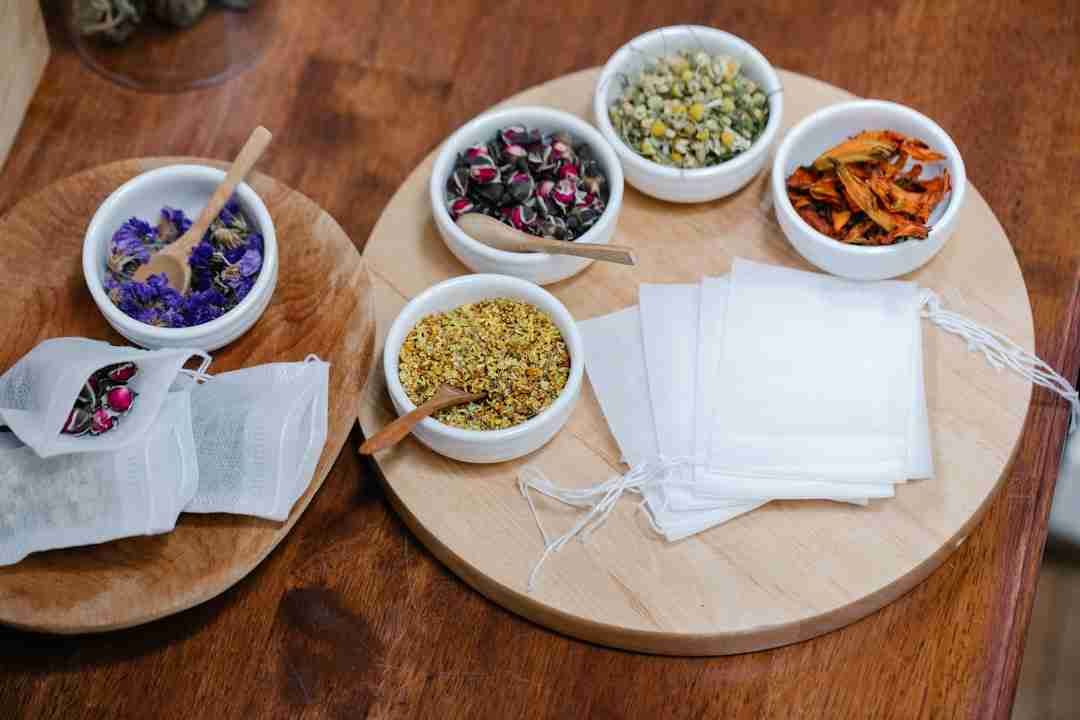
Imagine opening your grandmother's well-loved kitchen cabinet, filled to the brim with jars of herbs and spices, each with a story to tell. These weren't just for flavoring soups or stews; they were remedies, passed down through generations, that healed everything from the common cold to an upset stomach. Today, as people seek natural alternatives to pharmaceuticals, these age-old healing herbs are making a robust comeback. The reality is, many of these herbs have stood the test of time for good reason.
Chamomile for Better Sleep and Calm
Chamomile, often associated with bedtime teas, is revered for its calming effects. This modest flower is known for helping those with insomnia and anxiety. Research shows that chamomile contains apigenin, an antioxidant that binds to receptors in the brain, promoting relaxation.
Preparing a cup of chamomile tea is simple: steep dried flowers in hot water for about five minutes. But here's the thing, the quality of chamomile matters. Organic, loose-leaf varieties tend to offer higher potency than pre-packaged tea bags. Try brands like Traditional Medicinals for a reliable source. To enhance its calming effects, consider adding a spoonful of honey or a dash of cinnamon, both of which complement chamomile's flavor while adding additional health benefits.
Turmeric’s Anti-Inflammatory Power
Turmeric, the golden spice often found in curry dishes, is celebrated for its potent anti-inflammatory properties. Curcumin, the active compound in turmeric, is known to reduce inflammation and has been studied for its effects on conditions like arthritis and even cancer.
To leverage turmeric's benefits, it's recommended to consume it with black pepper, which enhances curcumin absorption. A daily dose of 500-2000 mg of turmeric extract is commonly suggested by professionals. Consider using turmeric in your cooking or taking a curcumin supplement, such as Meriva for enhanced bioavailability. Golden milk, a traditional Indian drink made with turmeric, milk, and spices, is a delicious way to incorporate this herb into your diet.
Ginger for Digestive Health
Ginger is a staple in many households for its ability to ease nausea and improve digestion. Whether it's motion sickness or morning sickness, ginger has been shown to alleviate symptoms effectively. This root contains gingerol, which has anti-inflammatory and antioxidant effects.
Fresh ginger can be used in teas or added to meals. For those who prefer supplements, ginger capsules are available and provide a concentrated dose. Many find that 1-2 grams of ginger per day can significantly reduce nausea symptoms. Experiment with ginger in your cooking by adding it to stir-fries or salad dressings for a zesty kick that not only enhances flavor but promotes digestive health.
Peppermint for Headaches and Muscle Pain
Peppermint oil, derived from the peppermint plant, is widely used for its soothing properties. It's particularly effective in relieving tension headaches and muscle pain. The menthol in peppermint acts as a natural muscle relaxant and pain reliever.
Applying diluted peppermint oil to the temples can help alleviate headaches. For muscle pain, a topical application on the affected area can provide relief. Always use a carrier oil to dilute peppermint oil before applying it to the skin to prevent irritation. Inhaling peppermint oil directly from the bottle or through a diffuser can also offer quick relief from headaches.
Echinacea for Immune Support
Echinacea is a go-to herb for boosting the immune system, especially during cold and flu season. Studies suggest that echinacea can reduce the duration and severity of respiratory infections. The key is to start taking echinacea at the first sign of illness.
Echinacea supplements come in various forms, including capsules, teas, and tinctures. It's generally recommended to take echinacea for up to two weeks at a time, as prolonged use can diminish its effectiveness. Brands like Nature's Way offer high-quality echinacea products. To increase palatability, echinacea tea can be sweetened with honey or blended with other herbs like elderberry, known for its own immune-boosting qualities.
Garlic as Nature’s Antibiotic
Garlic is more than just a flavorful addition to dishes; it's a powerful natural antibiotic. Allicin, the compound responsible for garlic's distinctive smell, has been shown to fight bacteria and viruses. Regular consumption of garlic can support cardiovascular health and improve immune function.
For maximum benefits, consume raw garlic. Crushing or chopping garlic cloves activates allicin, but it's important to let it sit for a few minutes before consuming. If raw garlic is too pungent, garlic supplements like Kyolic Aged Garlic Extract are available. Roasting garlic can also mellow its flavor, making it a delicious and healthful addition to spreads and dips.
Lavender for Stress Relief
Lavender is synonymous with relaxation and stress relief. The soothing scent of lavender can be used in aromatherapy to reduce stress and promote a sense of calm. Studies have even shown lavender's effectiveness in reducing anxiety levels.
Using lavender oil in a diffuser can fill your space with its calming aroma. Alternatively, adding a few drops of lavender oil to a bath can create a serene experience. For a more direct application, lavender sachets placed under a pillow can aid in restful sleep. Lavender can also be brewed into a tea, providing a comforting drink to unwind with at the end of the day.
Sage for Cognitive Function
Sage is not just for stuffing during Thanksgiving; it has been linked to cognitive improvements, particularly in memory and concentration. Some research indicates that sage may help in the management of Alzheimer's disease.

Including sage in your diet is easy – sprinkle it on roasted vegetables or incorporate it into soups. Sage tea is another popular method to reap its cognitive benefits. Supplements are also available for those seeking a more concentrated dose. In culinary applications, sage pairs beautifully with poultry and lamb, infusing dishes with both flavor and potential cognitive perks.
Aloe Vera for Skin and Digestive Health
Aloe vera, often known for its soothing properties on sunburned skin, also offers internal benefits. The gel from aloe vera leaves can be used topically to heal minor wounds and moisturize the skin. Internally, aloe vera juice can aid digestion and alleviate symptoms of irritable bowel syndrome.
When using aloe vera gel on the skin, apply it directly to the affected area and let it absorb. For internal use, ensure you're consuming aloe vera juice that is specifically labeled for ingestion, as not all aloe products are safe to consume.
Practical Takeaway: Creating Your Own Herbal Medicine Cabinet
It's clear that these herbs offer a range of benefits backed by tradition and science. If you're considering incorporating them into your routine, start by setting up a small herbal medicine cabinet at home. Here’s how:
-
Assess Your Needs: Identify the ailments or conditions you want to address, whether it's stress, insomnia, or digestive issues.
-
Source Quality Herbs: Purchase herbs from reputable sources. Organic and non-GMO options are ideal. Look for certifications and customer reviews to guide your choices.
-
Start Small: Introduce one herb at a time to observe how your body reacts. This helps in identifying any allergies or adverse effects.
-
Consult a Professional: While these herbs are generally safe, consulting with a healthcare provider ensures they won't interfere with any medications or conditions.
-
Document Effects: Keep a journal of how each herb affects you. Note any improvements or side effects to refine your herbal regimen over time.
Healing herbs are more than just a nostalgic nod to the past; they're practical solutions for modern health issues. By understanding and utilizing these natural remedies, you can enhance your well-being with the wisdom of generations before you. Start today by choosing one herb to explore and see how it transforms your health journey.