Harnessing Ginger: A Spicy Route to Soothe an Upset Stomach
An upset stomach can strike at the most inconvenient times, leaving you searching for relief. Imagine having an important meeting, a long-awaited dinner, or a family event, only to be disrupted by nausea and discomfort.
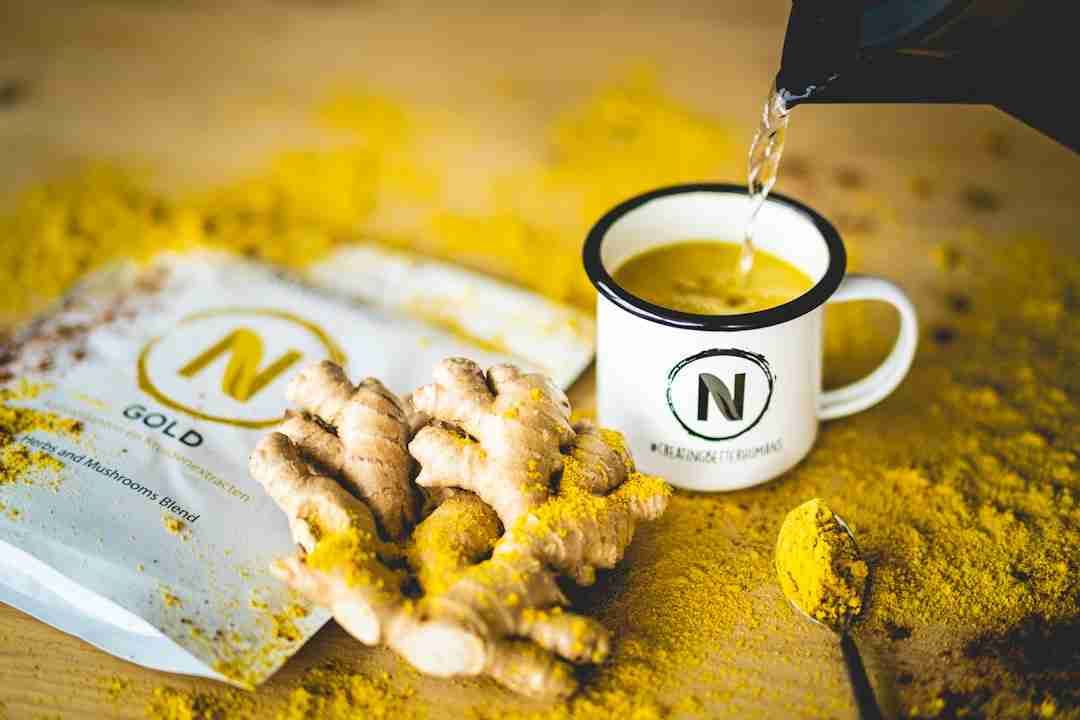
An upset stomach can strike at the most inconvenient times, leaving you searching for relief. Imagine having an important meeting, a long-awaited dinner, or a family event, only to be disrupted by nausea and discomfort. Ginger, a common kitchen staple, might just be the remedy you're looking for. This spicy root has been celebrated for centuries for its ability to calm an unsettled stomach, offering both immediate relief and long-term benefits. Here's how you can harness the power of ginger to soothe your digestive woes.
1. How Ginger Works: The Science Behind Its Soothing Power
Ginger isn't just a flavorful addition to your meals; it's a potent medicinal root. The primary compounds responsible for ginger's therapeutic effects are gingerols and shogaols. These compounds have anti-inflammatory and antioxidant properties, which help in reducing nausea and improving digestion. A study published in the Journal of Ethnopharmacology demonstrated ginger's efficacy in alleviating nausea caused by various conditions, such as pregnancy and chemotherapy.
When consumed, ginger stimulates the production of digestive enzymes, facilitating the breakdown of food and the absorption of nutrients. This not only helps in settling the stomach but also promotes overall digestive health. By enhancing gastric motility, ginger ensures that the contents of the stomach move smoothly into the small intestine, reducing feelings of bloating and discomfort.
The Role of Ginger in Traditional Medicine
Throughout history, ginger has been a staple in traditional medicine systems, such as Ayurveda and Traditional Chinese Medicine (TCM). In Ayurveda, ginger is often referred to as the "universal medicine" due to its wide range of health benefits, particularly for digestive and respiratory issues. TCM practitioners have long used ginger to "warm" the body, improve circulation, and treat digestive problems. Understanding these historical uses can provide valuable insights into how ginger's properties have been valued across cultures and centuries.
2. Ginger Tea: A Simple Brew for Quick Relief
Making ginger tea is one of the simplest ways to use ginger for an upset stomach. All you need is fresh ginger root, water, and a bit of honey or lemon for flavor. Here's a quick recipe:
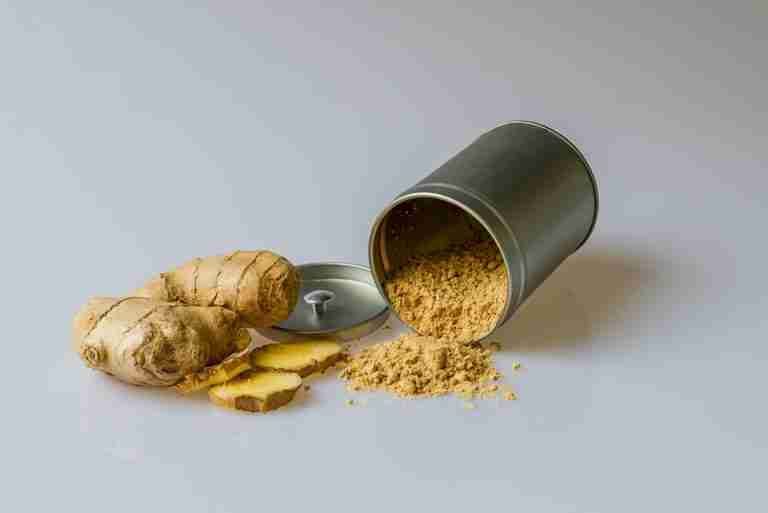
- Slice a 1-inch piece of fresh ginger root into thin pieces.
- Boil 2 cups of water in a pot.
- Add the ginger slices to the boiling water and let it simmer for about 10 minutes.
- Strain the tea into a cup.
- Add honey or lemon if desired, and enjoy warm.
The warmth of the tea, combined with ginger's active compounds, can provide immediate relief from nausea and indigestion. Many find that drinking ginger tea 20-30 minutes before meals helps prevent digestive issues.
Enhancing Your Ginger Tea Experience
To further enhance the effects of ginger tea, consider adding other gut-friendly ingredients. Adding a pinch of turmeric can boost the anti-inflammatory properties, while a dash of cinnamon can provide additional digestive support. For those who enjoy a more robust flavor, try incorporating a few mint leaves or a slice of orange for a refreshing twist. Experimenting with these variations can keep your ginger tea routine both beneficial and enjoyable.
3. Ginger Ale: Knowing When It's Beneficial and When It's Not
Ginger ale is often touted as a remedy for upset stomachs, but not all ginger ales are created equal. Traditional ginger ale, made with real ginger root, can be effective in soothing stomach issues. However, many commercial brands contain artificial flavors and high sugar content, with little to no actual ginger.
If you're considering ginger ale, look for brands that use real ginger or make your own. Homemade ginger ale allows you to control the ingredients and ensure that you're getting the benefits of real ginger. Here's a simple recipe:
- Combine 1 cup of fresh ginger juice with 3 cups of sparkling water.
- Add a tablespoon of lemon juice and a bit of honey for sweetness.
- Serve chilled over ice.
While ginger ale can be useful, it's important to consume it in moderation, especially if you're sensitive to sugar.
Crafting Your Own Ginger Beer
For those who enjoy experimenting in the kitchen, crafting ginger beer can be an exciting alternative to traditional ginger ale. This involves fermenting ginger root with sugar and water to create a naturally fizzy, probiotic-rich beverage. Not only does this homemade ginger beer offer the soothing benefits of ginger, but the fermentation process also introduces beneficial bacteria that can further support digestive health.
4. Ginger Supplements: When Fresh Ginger Isn't an Option
For those who find it challenging to incorporate fresh ginger into their diet, supplements can be a convenient alternative. Ginger supplements come in various forms, including capsules, powders, and extracts. These are particularly useful for those on the go or who prefer a more precise dosage.
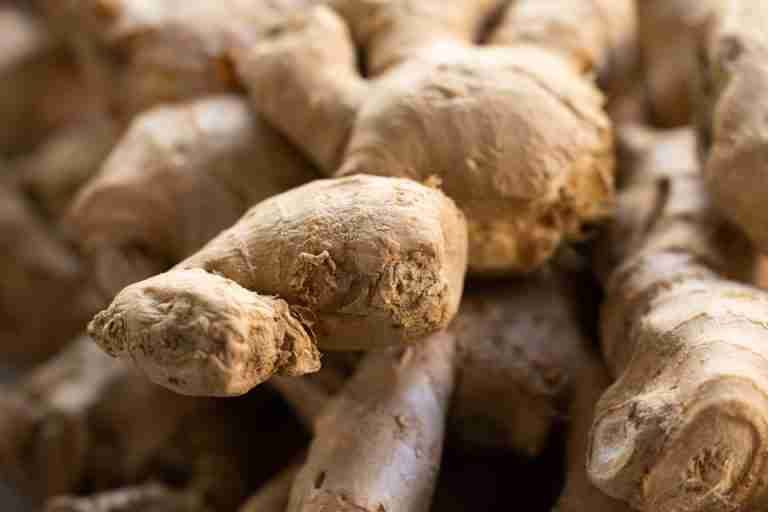
Experts recommend starting with a lower dose, such as 250 mg, and gradually increasing to 1000 mg per day if needed. It's crucial to consult with a healthcare professional before beginning any supplement regimen, especially if you're pregnant, nursing, or have underlying health conditions.
Several reputable brands offer high-quality ginger supplements. For instance, Nature's Way provides a standardized ginger root extract that ensures a consistent dose of gingerols and shogaols.
Selecting the Right Supplement
When choosing a ginger supplement, it's essential to consider factors such as bioavailability, purity, and the presence of any fillers or additives. Look for supplements that have been third-party tested for quality assurance. Reading reviews and seeking recommendations from healthcare providers can also guide you in selecting a product that aligns with your health goals.
5. Incorporating Ginger into Meals: Delicious Ways to Enhance Your Diet
Ginger's versatility makes it easy to incorporate into a variety of dishes, enhancing both flavor and health benefits. Here are some practical ways to add ginger to your daily meals:
- Stir-fries: Grate fresh ginger into vegetable stir-fries for a spicy kick and digestive boost.
- Smoothies: Blend a small piece of ginger with fruits and yogurt for a refreshing smoothie.
- Soups: Add ginger to soups and broths for a warming, aromatic touch.
- Baked Goods: Use ground ginger in cookies, cakes, or muffins for a spicy-sweet flavor.
These culinary applications not only make your meals more enjoyable but also provide consistent intake of ginger's beneficial compounds.
Creative Culinary Uses for Ginger
Beyond typical dishes, ginger can be used in marinades for meats, as a zesty addition to salad dressings, or even steeped in syrups for cocktails and desserts. Its bold flavor can complement both sweet and savory dishes, offering endless possibilities for culinary creativity. Experiment with different cuisines that traditionally use ginger, such as Indian, Thai, and Japanese, to broaden your palate and enjoy the diverse flavors that ginger can bring to your meals.
6. Potential Side Effects: What to Watch Out For
While ginger is generally safe for most people, it's important to be mindful of potential side effects. Consuming large amounts of ginger may cause mild heartburn, diarrhea, or irritation in the mouth. It's usually best to start with small amounts and observe how your body reacts.

Certain individuals, such as those with gallstones or bleeding disorders, should exercise caution and consult a healthcare provider before increasing their ginger intake. Additionally, ginger may interact with certain medications, including blood thinners and diabetes medications, so professional guidance is advisable.
Addressing Common Concerns
Some people may worry about the safety of ginger consumption during pregnancy. While ginger is commonly used to alleviate morning sickness, it's vital to consult with a healthcare provider to determine an appropriate amount. Similarly, those with specific dietary restrictions or allergies should carefully evaluate their tolerance to ginger, ensuring that any consumption aligns with their health needs.
7. Making Ginger a Part of Your Daily Routine: Tips for Consistency
To fully benefit from ginger's stomach-soothing properties, consistency is key. Here are some tips to help you make ginger a regular part of your life:
- Morning Ritual: Start your day with a cup of ginger tea or add ginger to your morning smoothie.
- Meal Prep: Incorporate ginger into your meal planning. Pre-grate or slice ginger and store it in the refrigerator for easy access.
- Portable Options: Keep ginger candies or supplements with you for on-the-go relief.
- Cooking Experiment: Try new recipes that feature ginger as a primary ingredient.
By integrating ginger into your daily routine, you'll not only enhance your digestive health but also enjoy the added flavor and aroma that ginger brings to your meals.
Exploring Ginger Beyond the Kitchen
Ginger can also be incorporated into wellness practices beyond culinary use. Consider using ginger-infused oils for massage therapy to reap both aromatic and topical benefits, aiding muscle relaxation and circulation. Essential oil diffusers can fill your home with the soothing scent of ginger, creating a calming environment and promoting a sense of well-being.
Ginger has long been cherished for its ability to ease an upset stomach and promote digestive health. Whether you choose to sip on ginger tea, enjoy the sparkling taste of homemade ginger ale, or incorporate it into your cooking, ginger offers a natural, effective way to manage digestive discomfort. Start today by trying one of these methods and experience the soothing effects of this remarkable root.