The Lemon Balm Experiment: Calming Nerves One Cup at a Time
Imagine sipping a warm cup of herbal tea that not only soothes your soul but also calms your frazzled nerves. This isn't some fantasy potion from a fairy tale; it's lemon balm tea, a centuries-old remedy making a modern-

Imagine sipping a warm cup of herbal tea that not only soothes your soul but also calms your frazzled nerves. This isn't some fantasy potion from a fairy tale; it's lemon balm tea, a centuries-old remedy making a modern-day comeback. Many people are discovering its potential to tame anxiety and promote relaxation. If stress feels like a constant companion, the humble lemon balm might just be the gentle ally you've been seeking.
Lemon Balm: The Herb with a Rich History
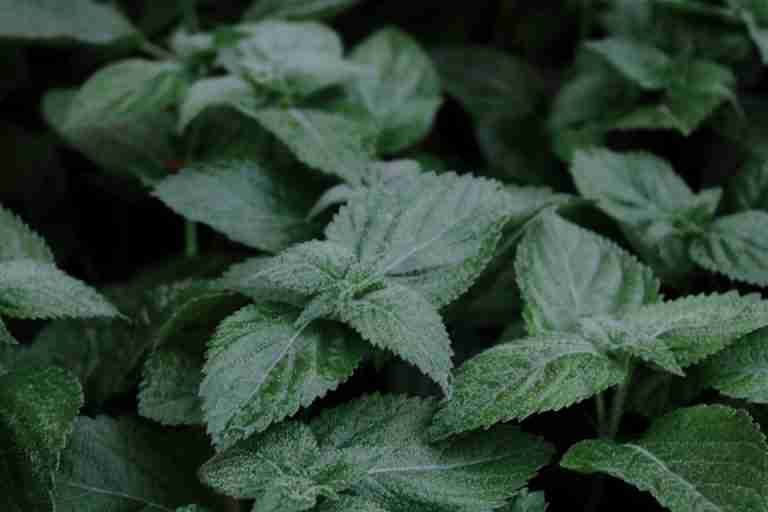
Lemon balm, or Melissa officinalis, has been cultivated for over 2,000 years, originating from Southern Europe and the Mediterranean. Known for its distinct lemony scent, this herb has been a favorite in both culinary and medicinal uses. Historical texts reveal that lemon balm was a staple in ancient Greek and Roman healing practices. It was celebrated for its ability to uplift spirits and improve mental clarity. Fast forward to today, and the herb is gaining popularity as a natural remedy for stress and anxiety—a testament to its enduring appeal.
The Science Behind Lemon Balm's Calming Effects
What exactly makes lemon balm effective in calming nerves? The secret lies in its chemical composition. Lemon balm contains compounds like rosmarinic acid and eugenol, which are known for their antioxidant and anti-inflammatory properties. These compounds interact with the neurotransmitter gamma-aminobutyric acid (GABA) in the brain, which plays a crucial role in regulating mood and anxiety levels. By enhancing GABA activity, lemon balm can help to reduce anxiety and promote a sense of calm.
Studies have supported these claims. In a study published in the journal Nutritional Neuroscience, participants who consumed lemon balm extracts reported a significant reduction in anxiety symptoms compared to those who received a placebo. Another study highlighted in Phytotherapy Research found that lemon balm improved mood and cognitive performance, particularly under stress. These findings suggest that lemon balm may be a valuable natural tool for managing stress and enhancing mental well-being.
Brewing the Perfect Cup of Lemon Balm Tea
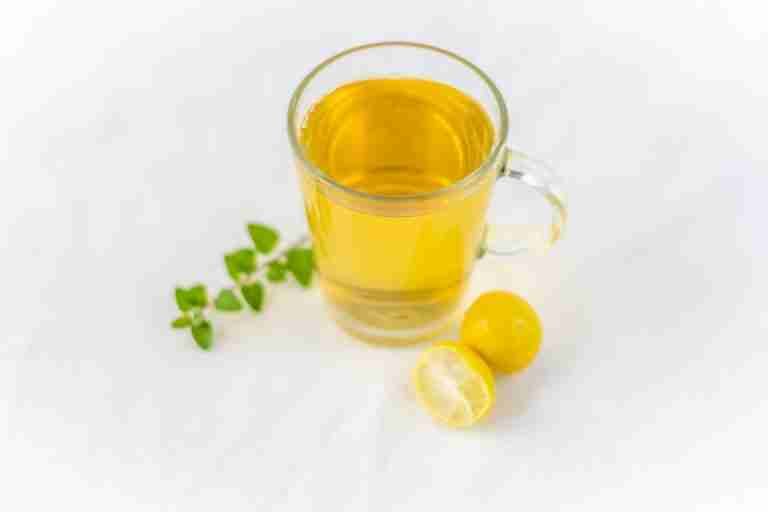
Creating a calming cup of lemon balm tea is simpler than one might think. All it takes is a few fresh or dried leaves, hot water, and a few minutes of your time. Here's how you can make it:
- Gather Your Ingredients: You'll need about 1-2 tablespoons of dried lemon balm leaves or a handful of fresh leaves. Both options are effective, though fresh leaves offer a slightly more aromatic experience.
- Boil Water: Heat water to just below boiling point. Using overly hot water can strip the leaves of their delicate flavors and beneficial compounds.
- Steep the Leaves: Place the leaves in a teapot or mug and pour the hot water over them. Cover the cup to trap the essential oils and let it steep for about 5-10 minutes, depending on your taste preference.
- Strain and Serve: Strain the leaves out and enjoy your tea. For added flavor, consider a teaspoon of honey or a slice of lemon.
This simple ritual not only creates a soothing beverage but also offers a moment of mindfulness—a chance to pause and unwind.
Beyond Tea: Lemon Balm in Everyday Life
While lemon balm tea is a popular choice, there are many ways to incorporate this versatile herb into daily routines. Lemon balm essential oil, for example, can be used in aromatherapy to create a calming environment. Adding a few drops to a diffuser can fill a room with its soothing scent, which many find beneficial for relaxation and sleep.
For those interested in culinary adventures, lemon balm can be used in cooking. Its subtle lemon flavor pairs well with fish, poultry, and salads. It's also a delightful addition to desserts like lemon balm-infused ice cream or sorbet, offering a refreshing twist.
Gardeners might consider growing lemon balm at home. It's a hardy plant that thrives in a variety of climates and can be cultivated in pots or garden beds. Having fresh lemon balm on hand means you can enjoy its benefits anytime.
Potential Side Effects and Considerations
While lemon balm is generally considered safe for most people, it's important to be aware of potential side effects and interactions. Some individuals may experience mild side effects such as nausea or dizziness. It's recommended to start with a small dose to see how your body reacts.
Those taking medication for thyroid conditions or sedatives should consult with a healthcare professional before using lemon balm, as it may interact with these medications. Pregnant and breastfeeding women should also seek medical advice before incorporating lemon balm into their regimen.
Lemon Balm Supplements: An Alternative Approach
For those who prefer a more convenient option, lemon balm supplements are available in various forms, including capsules and tinctures. These products offer a concentrated dose of lemon balm's active compounds and may be a practical choice for individuals with a busy lifestyle.
When choosing a supplement, it's crucial to select a high-quality product from a reputable brand. Look for supplements that are standardized to contain a specific percentage of rosmarinic acid to ensure potency. Reading customer reviews and checking for third-party testing can provide additional assurance of quality.
Actionable Steps to Incorporate Lemon Balm Today
Ready to explore the calming benefits of lemon balm? Here are some actionable steps you can take today:
- Try a Cup of Lemon Balm Tea: Brew a cup using fresh or dried leaves and savor the flavor.
- Experiment with Aromatherapy: Use lemon balm essential oil in a diffuser and create a serene atmosphere at home.
- Cook with Lemon Balm: Add fresh leaves to your next recipe for a burst of lemony freshness.
- Consider a Supplement: If you prefer a more concentrated form, research and choose a reputable lemon balm supplement.
These simple actions can help you integrate lemon balm into your daily routine, offering a natural and gentle way to manage stress and enhance well-being.
Real-Life Success Stories
People from all walks of life are experiencing the benefits of lemon balm firsthand. Consider Sarah, a high school teacher who struggled with anxiety during the hectic school year. She started drinking lemon balm tea each evening and noticed a significant improvement in her ability to unwind after a long day.
Then there's Michael, a busy entrepreneur who found himself overwhelmed by the pressures of running a start-up. After incorporating lemon balm supplements into his daily routine, he reported feeling more centered and focused.
These stories highlight the potential of lemon balm as a natural ally in the battle against stress and anxiety—a tool that anyone can use to reclaim a sense of peace and balance.
Taking the First Step Toward Calm
The journey to a calmer, more relaxed state of mind can begin with something as simple as a cup of lemon balm tea. By understanding the science behind this powerful herb and exploring various ways to incorporate it into daily life, individuals can take actionable steps toward managing stress naturally.
Whether you choose to sip on soothing tea, diffuse its fragrant oil, or experiment with culinary uses, lemon balm offers a range of possibilities. Consider starting with a small step today—brew a cup of tea, or purchase a supplement—and see how this ancient herb can make a modern-day difference in your life.
For further reading and resources, check out Herb Society of America, WebMD, and Mount Sinai for more detailed insights into the uses and benefits of lemon balm.