The Time I Tried Bee Pollen for Seasonal Allergies
Seasonal allergies can feel like an annual battle. The pollen count rises, and suddenly, sniffles, sneezes, and itchy eyes become a part of daily life. For many, finding relief seems elusive. But what if a natural remedy
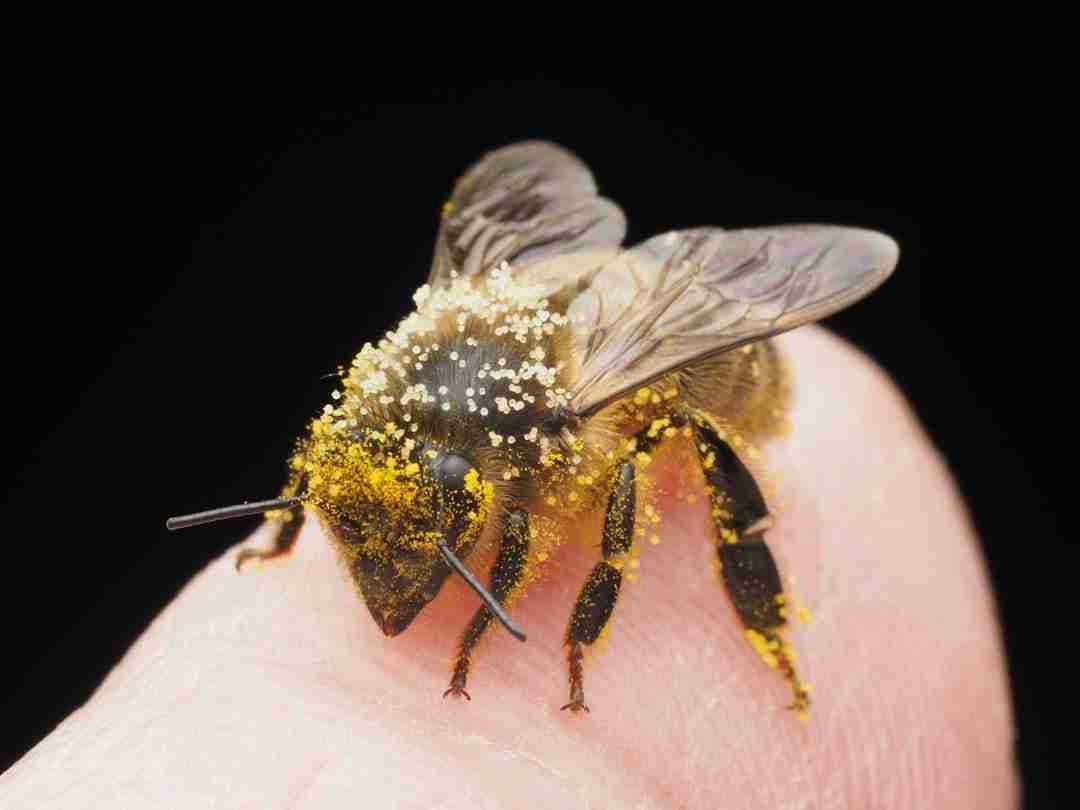
Seasonal allergies can feel like an annual battle. The pollen count rises, and suddenly, sniffles, sneezes, and itchy eyes become a part of daily life. For many, finding relief seems elusive. But what if a natural remedy could offer some respite? Bee pollen has been gaining attention as a potential ally against allergies. But here's the catch—bee pollen itself can also trigger allergic reactions. Navigating this paradox requires careful consideration and informed choices.
Bee Pollen: Nature’s Nutritious Powerhouse
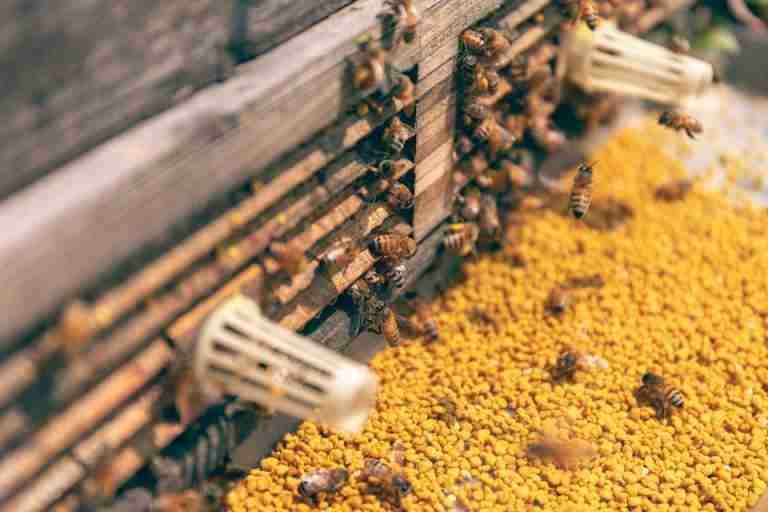
Bee pollen is more than just a collection of pollen grains. It's a nutrient-rich substance packed with proteins, vitamins, minerals, lipids, and carbohydrates. Many health enthusiasts tout its benefits, ranging from boosting energy levels to enhancing immune function. Some even use it as a dietary supplement for improved overall health, thanks to its rich antioxidant content. However, its role in alleviating allergies is where opinions diverge.
The theory is that consuming small amounts of local bee pollen might help the body build resistance to local pollen, similar to the way allergy shots work. This process, known as oral immunotherapy, involves gradually introducing allergens to the body to build tolerance. But this isn't a guaranteed solution. Some people experience significant relief, while others see little to no benefit. The efficacy largely depends on individual immune responses and the specific types of pollen causing the allergies.
Incorporating bee pollen into your diet can be as simple as adding it to smoothies, yogurt, or oatmeal, making it a versatile addition to your meals. However, it is essential to ensure the source of the bee pollen is reliable and free from contaminants to maximize its potential benefits.
The Double-Edged Sword: Bee Pollen Allergies
Here's where things get tricky. While some use bee pollen to combat allergies, others might find themselves allergic to the pollen itself. Symptoms can include itching, swelling, shortness of breath, and even anaphylaxis in severe cases. This is why it's crucial to approach bee pollen with caution.
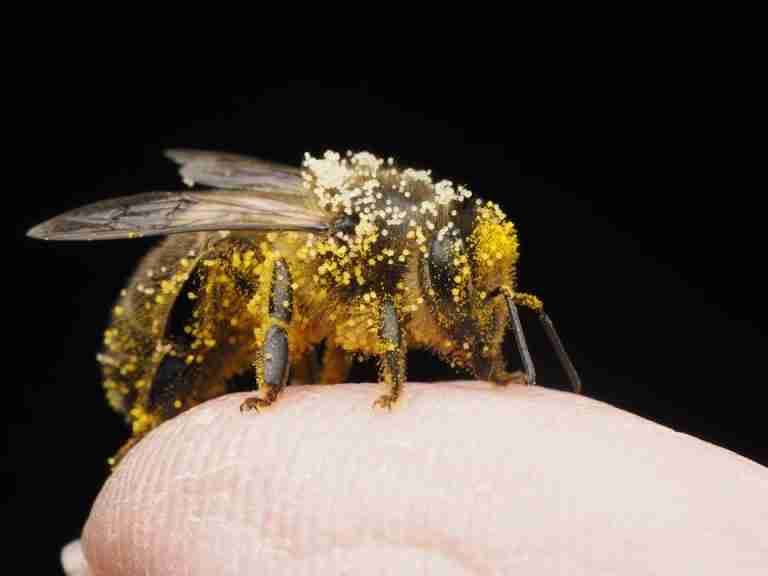
A study published in the journal Annals of Allergy, Asthma & Immunology highlights that individuals with a history of pollen allergies, especially those allergic to bee stings, are more likely to experience adverse reactions to bee pollen. Therefore, it's essential to consult a healthcare professional before incorporating bee pollen into your routine.
For those with known allergies, it might be safer to explore alternative natural remedies or stick to conventional treatments while keeping an emergency plan in place should a reaction occur. Keeping antihistamines or an epinephrine injector readily available can provide peace of mind and immediate relief if necessary.
Start Small: Testing Your Reaction
If you decide to try bee pollen for seasonal allergies, starting with a small dose is advisable. Professionals suggest beginning with a few granules and gradually increasing the amount over several weeks, monitoring for any adverse reactions. This method allows you to assess your body's response and minimize the risk of severe allergic reactions.
Always choose high-quality, local bee pollen from reputable sources. Local varieties are more likely to contain the specific pollens affecting you, increasing the potential for building tolerance. Check local farmers' markets or health food stores, and ensure the product is free from contaminants.
When introducing bee pollen, patience is key. Documenting your reactions in a journal can help track any changes or patterns in symptoms, providing valuable information for discussions with healthcare providers. This practice can also assist in determining whether continued use is beneficial or if alternative solutions should be explored.
Not All Pollen Is Created Equal
Different plants produce different types of pollen. While bee pollen is a mixture collected by bees, it may not contain the specific pollen types causing your allergies. For example, tree pollen might trigger your symptoms, but if the bee pollen you're consuming lacks this, it won't help build immunity.
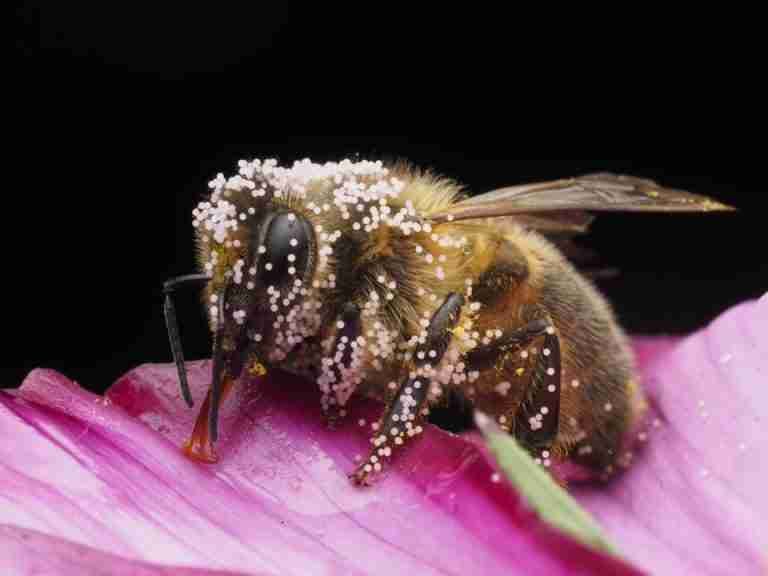
Consulting with an allergist can provide insights into which pollens you're reacting to. Skin prick tests or blood tests can identify specific allergens, helping you make an informed decision about whether bee pollen might be beneficial.
Understanding the local flora can also aid in identifying potential sources of allergens. Keeping informed about the types of plants in your area and their blooming seasons can help anticipate allergy flare-ups and plan preventive measures accordingly.
Alternatives to Bee Pollen for Allergy Relief
If bee pollen proves unsuitable, several other options might offer relief. Over-the-counter antihistamines, nasal sprays, and decongestants can provide immediate symptom control. These treatments are widely accessible and have a track record of efficacy.
For those seeking natural alternatives, consider quercetin, a natural flavonoid found in apples, onions, and green tea. Research shows it may help stabilize mast cells, reducing the release of histamine and alleviating allergy symptoms. Supplements like NOW Foods Quercetin with Bromelain are available online and in health stores.
Another natural remedy worth exploring is stinging nettle, known for its ability to reduce inflammation and histamine production. Stinging nettle supplements or teas can be found in health food stores and may offer a gentle, plant-based approach to managing allergy symptoms.
Lifestyle Adjustments for Managing Allergies
Beyond supplements and medications, lifestyle adjustments can significantly impact allergy management. Keeping windows closed during high pollen seasons, using air purifiers, and regularly cleaning air filters can reduce exposure to allergens. Showering before bed can remove pollen from hair and skin, preventing nighttime allergy attacks.
Incorporate these changes alongside any treatments you're considering. Professionals note that a multifaceted approach often yields the best results, combining preventive measures with therapeutic interventions.
Maintaining a clean environment extends beyond your home; consider your workspace and vehicle as well. Regularly vacuuming and dusting these areas can further minimize allergen exposure, creating a comprehensive shield against allergy triggers.
Consulting Professionals: Your Best Bet
Allergy management isn't a one-size-fits-all solution. Consulting with an allergist or healthcare provider ensures that your approach is tailored to your specific needs. They can offer personalized advice, recommend suitable treatments, and help monitor for any adverse reactions.
For those considering bee pollen, a healthcare provider can conduct an allergy test to ensure it's safe. Remember, safety should always come first, and professional guidance can prevent unwanted complications.
In addition to allergists, nutritionists or naturopaths can offer insights into dietary adjustments that may support immune health, providing a holistic approach to allergy management. Their expertise can guide you in making informed decisions about incorporating natural remedies into your routine.
Taking Action: Steps You Can Implement Today
Ready to tackle your seasonal allergies? Here are actionable steps you can take right now:
- Consult an Allergist: Schedule an appointment to identify your specific allergens and discuss potential treatments, including bee pollen.
- Start Small with Bee Pollen: If deemed safe, begin with a few granules, gradually increasing the dosage while monitoring for reactions.
- Explore Alternatives: Consider quercetin supplements or other natural remedies as adjuncts or alternatives to bee pollen.
- Make Lifestyle Changes: Implement changes like using air purifiers, closing windows during high pollen periods, and maintaining a clean home environment.
- Educate Yourself: Stay informed about the latest allergy research and treatments to make empowered decisions.
By taking these steps, you can better manage your allergies and enjoy the seasons with fewer disruptions. Remember, it's about finding what works best for you and your body.