Why Adding Fermented Foods to Your Diet Could Change Everything
Imagine transforming your health simply by adding a few specific foods to your diet. It's not about counting calories or sticking to a strict regimen. Instead, it's about incorporating something ancient yet incredibly po
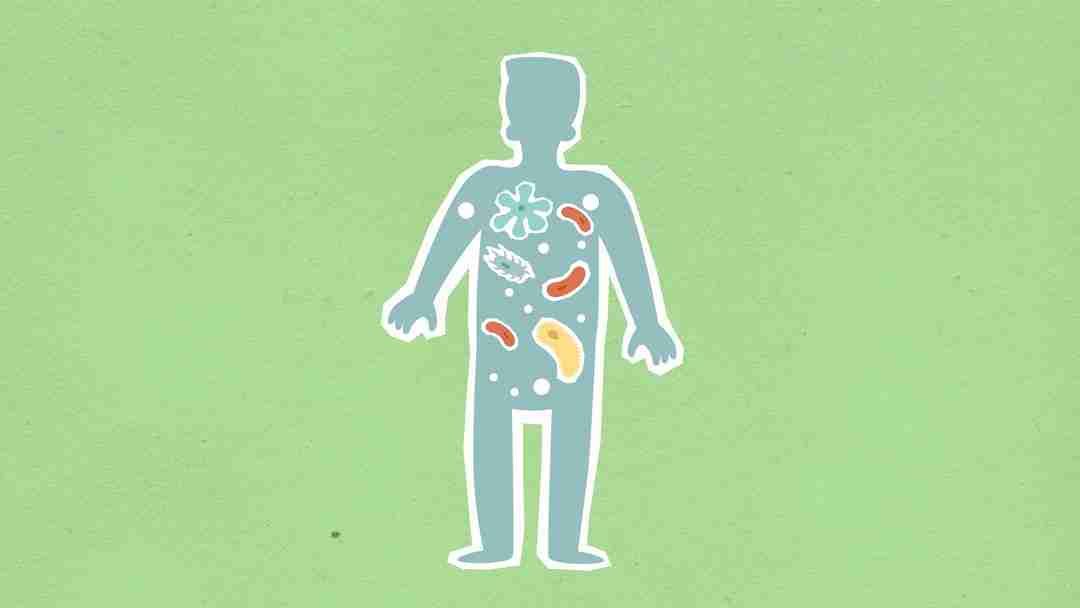
Imagine transforming your health simply by adding a few specific foods to your diet. It's not about counting calories or sticking to a strict regimen. Instead, it's about incorporating something ancient yet incredibly powerful: fermented foods. These foods have been a staple in various cultures for centuries, not just for their unique flavors but for their profound health benefits. If you've ever wondered how something as simple as sauerkraut or yogurt could make a difference, it might be time to explore the world of fermentation.
The Gut Health Connection: Why 70% of the Immune System Resides in the Gut
Here's something intriguing: about 70% of the immune system is housed in the gut. This isn't just a fun fact; it has significant implications for overall health. Fermented foods, rich in probiotics, play a crucial role in maintaining a balanced gut microbiome. Probiotics are live bacteria that provide numerous health benefits, especially for the digestive system.
Research shows that a healthy gut microbiome can enhance immune function, reduce inflammation, and even impact mood and mental health. Fermented foods like kefir, kimchi, and miso introduce beneficial bacteria that help balance gut flora. This balance is essential for preventing issues like bloating, constipation, and more severe conditions such as irritable bowel syndrome (IBS).
Take action today by incorporating a small serving of fermented foods into your meals. Start with a tablespoon of kimchi or a cup of yogurt. Your gut—and immune system—will thank you.
Fermentation for Beginners: How to Start with Easy Options Like Yogurt and Kefir
Diving into fermented foods doesn't have to be daunting. In fact, some of the easiest options are already found in most grocery stores. Yogurt and kefir are excellent starting points for those new to fermentation.

Yogurt is made by fermenting milk with specific bacterial cultures, resulting in a creamy texture and tangy taste. It's versatile: enjoy it plain, add fruits, or use it in smoothies. Chobani offers a range of yogurts with live and active cultures.
Kefir, similar to yogurt but drinkable, is made using kefir grains that ferment the milk. It's slightly effervescent and can be consumed on its own or added to smoothies. Brands like Lifeway Foods offer a variety of kefir products, making it easy to add this probiotic powerhouse to your diet.
Experiment by replacing your morning beverage with a glass of kefir or using yogurt as a healthier base for dressings and sauces. These small changes can quickly become a delicious habit.
The Power of Fermented Vegetables: Sauerkraut and Kimchi for Digestive Health
Fermented vegetables like sauerkraut and kimchi are not only packed with flavor but are incredibly beneficial for digestion. Sauerkraut, made from fermented cabbage, is rich in fiber and probiotics, promoting a healthy digestive tract.
Kimchi, a staple in Korean cuisine, is made from fermented vegetables like napa cabbage and radishes, seasoned with spices and garlic. It's known for its spicy kick and health benefits, including aiding digestion and reducing inflammation.
Making these at home can be a fun and cost-effective way to enhance your diet. All you need is cabbage, salt, and a jar. Allow the mixture to ferment at room temperature for a week or until it reaches the desired flavor. For kimchi, add spices and let it ferment for a few days.
Try adding a spoonful of sauerkraut or kimchi to your meals. It's an easy way to boost flavor and health benefits simultaneously.
Fermented Drinks: Beyond Kombucha, Exploring Kvass and Tepache
While kombucha has taken the world by storm with its probiotic-rich profile and refreshing taste, there are other fermented drinks worth exploring. Kvass and tepache are two such beverages that offer unique flavors and health benefits.
Kvass, a traditional Eastern European drink, is made from fermented rye bread. It's low in alcohol and rich in probiotics, making it a healthy alternative to sugary sodas. Its slightly tangy and earthy flavor is a delightful surprise for those willing to try something new.
Tepache, originating from Mexico, is made from fermented pineapple. It's sweet, slightly tart, and can be spiced with cinnamon or cloves. Tepache is an excellent summer drink, offering a probiotic punch in a refreshing package.
Consider trying these drinks as a substitute for your usual beverages. Not only do they provide a health boost, but they also introduce new flavors to your palate.
The Impact on Mental Health: How Fermented Foods Can Affect Mood and Anxiety
The connection between gut health and mental well-being is gaining more attention. Experts suggest that the gut-brain axis, a communication network linking the gut and brain, plays a critical role in mental health. Fermented foods, by improving gut health, may also influence mood and anxiety levels.
A study published in the journal Psychiatry Research found that individuals who consumed more fermented foods reported fewer symptoms of social anxiety. This finding suggests that the probiotics in these foods may alter brain chemistry, potentially reducing anxiety.
Incorporating fermented foods could be a natural way to support mental health. Regularly consuming foods like yogurt, kefir, or kimchi might have a positive impact on your overall mood and stress levels.
Home Fermentation: A Step-by-Step Guide to Making Your Own Fermented Foods
For those interested in taking control of their food sources, home fermentation is an exciting option. It's cost-effective, allows for creative experimentation, and ensures you're consuming high-quality, probiotic-rich foods.

Start with something simple, like sauerkraut. Here's a basic guide:
- Ingredients: One medium cabbage, 1-2 tablespoons of sea salt.
- Preparation: Shred the cabbage and mix it with salt in a large bowl. Let it sit for a few minutes to release water.
- Packing: Pack the cabbage tightly into a clean jar, ensuring it's submerged in its liquid.
- Fermentation: Cover the jar with a cloth and let it sit at room temperature for 1-2 weeks, tasting occasionally.
Once comfortable, experiment with other vegetables or make kombucha using a SCOBY. Home fermentation is not just a hobby; it's a step towards better health.
Taking the First Step: Easy Fermented Food Recipes to Try Today
Ready to dive into the world of fermented foods? Here are a few simple recipes to get started:
- Yogurt Parfait: Layer yogurt with granola and fresh berries for a quick breakfast or snack.
- Kimchi Fried Rice: Stir-fry rice with kimchi, vegetables, and a splash of soy sauce for a flavorful meal.
- Kefir Smoothie: Blend kefir with your favorite fruits for a refreshing drink.
These recipes are easy to prepare and delicious. They offer a practical way to incorporate fermented foods into your daily routine, providing a health boost without requiring drastic lifestyle changes.
Conclusion: Small Changes, Big Impact
Incorporating fermented foods into your diet could be the game-changer you've been looking for. From improving gut health to potentially enhancing mental well-being, the benefits are clear. And the best part? It's easy to start. Whether you opt for store-bought options or decide to try your hand at home fermentation, these foods offer an accessible path to better health. So, why not give it a try today? Your body—and mind—might thank you.