The Unexpected Perks of a Weekly Farmers’ Market Habit
Stepping into a farmers' market, you're met with a burst of colors, scents, and sounds that is a feast for the senses. But beyond the obvious allure of fresh fruits and vegetables, there's a hidden treasure trove of unex
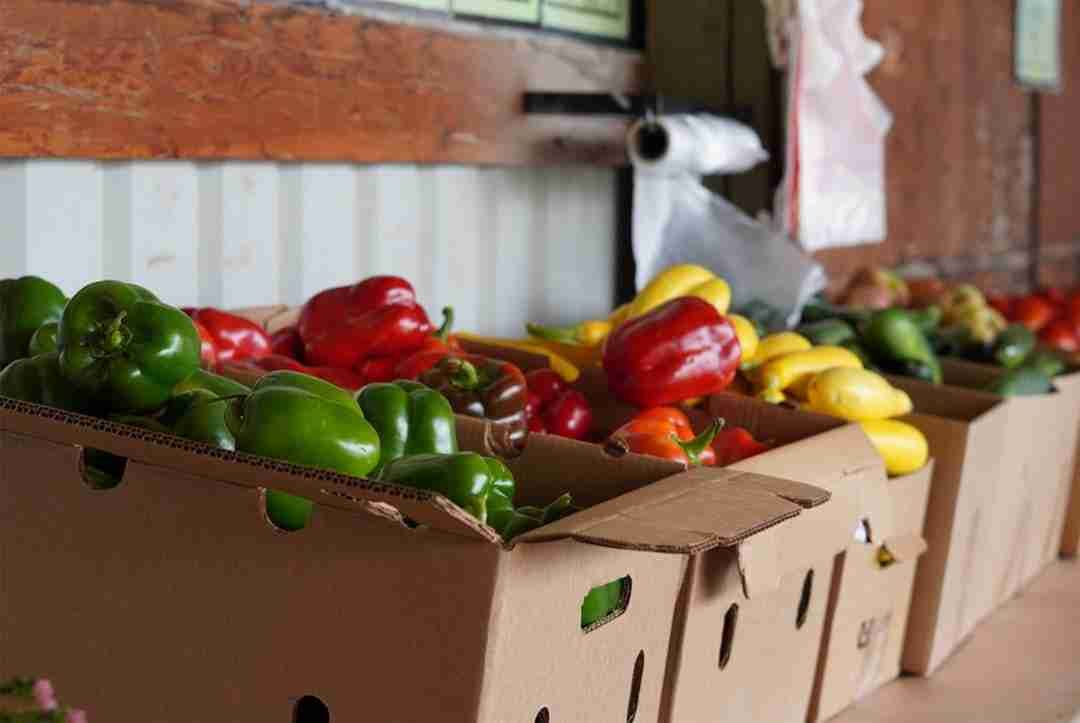
Stepping into a farmers' market, you're met with a burst of colors, scents, and sounds that is a feast for the senses. But beyond the obvious allure of fresh fruits and vegetables, there's a hidden treasure trove of unexpected benefits waiting to be discovered. Frequenting your local farmers' market isn't just about shopping for produce; it's about embracing a lifestyle that can transform your health, finances, and community connections in surprising ways.
Saving Money with Seasonal Produce
Most people might assume farmers' markets come with a premium price tag, but that's not always the case. Buying seasonal produce directly from growers often means you're cutting out the middleman. This can significantly reduce costs. For example, during peak strawberry season, prices might drop as low as half of what you would pay in a supermarket for the same quality. Seasonal abundance leads to competitive pricing, which is a boon for your wallet.
Beyond individual savings, consider the cumulative financial benefits of shopping seasonally. For instance, if you regularly purchase items like tomatoes, squash, or berries during their peak seasons, the savings can add up significantly over time. This approach not only reduces personal expenses but also encourages you to try a variety of produce that you might not typically purchase.
Markets often offer discounts at the end of the day to clear out inventory. Shoppers can take advantage of these deals, stocking up on fresh produce without breaking the bank. Consider planning visits towards closing time for these bargains. An additional tip is to engage in friendly negotiations with vendors, especially if you're buying in bulk. Many sellers appreciate loyal customers and might offer discounts for regular patrons.
Building Healthier Habits with Fresh Ingredients
Integrating a weekly farmers' market visit into your routine can have a profound impact on your diet. The sheer variety of fruits and vegetables available encourages experimentation with new recipes and healthier eating habits. Research shows that those who regularly shop at farmers' markets consume more fruits and vegetables than those who shop at traditional grocery stores.
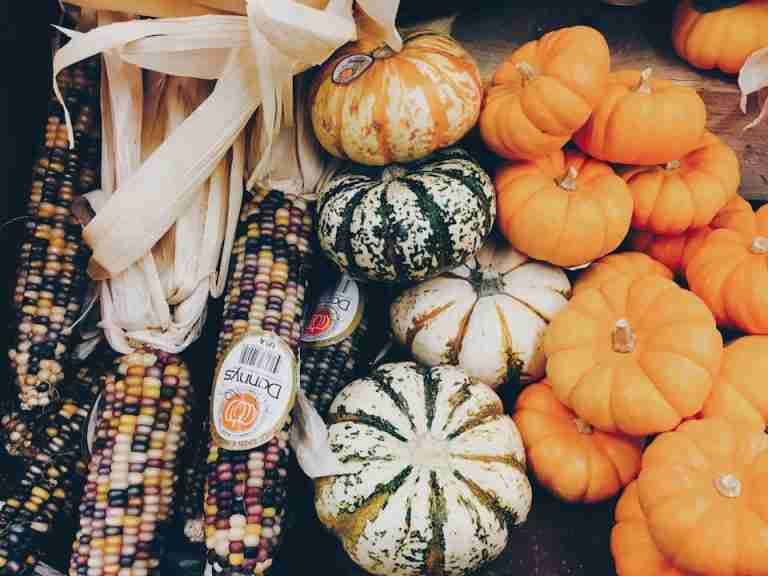
To further enhance dietary habits, consider setting goals for incorporating a new fruit or vegetable each week. This practice not only diversifies your diet but also allows you to explore different cuisines and flavors. For example, trying kale or kohlrabi might lead to discovering new favorite dishes or cooking techniques.
The freshness of the produce also plays a critical role in nutritional value. Produce sold at farmers' markets is typically harvested within 24 hours of sale, ensuring optimal freshness and nutrient content. This is a stark contrast to supermarket produce, which might be days or even weeks old by the time it reaches the shelves. The nutrient density of fresher produce can contribute to improved health outcomes, supporting everything from better digestion to enhanced immune function.
Supporting Local Economies and Farmers
Every dollar spent at a farmers' market is a direct investment in the local economy. By purchasing directly from farmers, you're ensuring that more of your money stays within the community. This support helps small-scale farmers thrive, preserving agricultural diversity and promoting sustainable farming practices.
Local economies benefit greatly from these markets. A study by the Farmers Market Coalition found that farmers' markets contribute to job creation and community development. By choosing to shop at one, you're playing a part in fostering local economic growth. The ripple effect of your spending extends beyond the market, as farmers are more likely to patronize local businesses for supplies and services, further strengthening community ties.
Reducing Environmental Impact with Local Goods
Buying locally grown food reduces the need for long-distance transportation, which significantly cuts down on carbon emissions. Many farmers at these markets practice sustainable farming techniques, such as crop rotation and organic farming, which are better for the environment.
In addition to supporting sustainable farming, consider the environmental benefits of reduced packaging. Many vendors encourage customers to bring their own bags or containers, thus reducing plastic waste. By shopping at a farmers' market, you're making a conscious choice to lower your environmental footprint. Using reusable produce bags or baskets can further minimize waste and serve as a reminder of your commitment to eco-friendly practices.
Discovering Unique and Artisanal Products
Farmers' markets are a treasure trove of unique, artisanal products that you won't find in regular stores. From homemade jams and organic honey to hand-crafted cheeses and specialty baked goods, there's something for every palate. These products often use traditional methods passed down through generations, offering tastes and quality that mass-produced goods can't match.

When exploring these artisanal offerings, take the time to learn the stories behind the products. Vendors are usually more than willing to share the history and process behind their goods, adding a personal touch to your purchases. This not only helps in making informed decisions but also adds an element of fun and discovery to the shopping experience. Sampling various items can also spark creativity in your own kitchen, inspiring you to incorporate these unique flavors into everyday meals.
Fostering Community Connections
There's a social aspect to visiting farmers' markets that's hard to replicate elsewhere. It becomes a gathering place where you can meet like-minded individuals, engage with local farmers, and even participate in community events. Regular visits can build a sense of belonging and camaraderie.
Many markets also host workshops and cooking demonstrations, offering opportunities to learn new skills and culinary techniques. Engaging with these events can enrich your knowledge and appreciation of food and farming. Participating in community-supported agriculture (CSA) programs available at some markets further strengthens these bonds, creating a network of support and shared interest in local food systems.
Gaining Insight into Food Sources
Transparency is a significant advantage of shopping at farmers' markets. You have the opportunity to speak directly with the people who grow your food. They can provide insights into how the produce is cultivated, any special farming practices used, and the best ways to store and prepare the items you're purchasing.
This direct line of communication can increase your awareness and understanding of food sources, helping you make more informed choices about what you eat. It's a level of transparency that's rarely available in conventional grocery stores. For those interested in sustainable and ethical food consumption, these conversations can be enlightening and reassuring, providing a deeper connection to the food on your plate.
Enhancing Mental Well-being Through Market Visits
The simple act of strolling through a farmers' market can be a therapeutic experience. The vibrant atmosphere, combined with the interaction with nature's bounty, can be a great stress reliever. Studies have shown that being in natural settings or surrounded by natural products can enhance mood and reduce anxiety.

Spending time outdoors and engaging with the community positively impacts mental health. The routine of a weekly market visit can become a cherished ritual that provides both physical and emotional nourishment. Consider incorporating mindful practices during your visits, such as taking a moment to appreciate the beauty of the produce or engaging in conversations with vendors and fellow shoppers. These small acts can greatly enhance the overall experience and contribute to a more mindful, balanced lifestyle.
Integrating Farmers' Market Finds into Daily Life
To fully reap the benefits of a weekly farmers' market habit, consider incorporating these finds into your daily life. Plan meals around the fresh produce you purchase, and experiment with new recipes. Websites like Epicurious or AllRecipes offer a plethora of ideas to inspire your culinary journey.
Storage is key to maintaining the freshness of your market finds. Investing in quality storage containers or reusable produce bags can extend the life of your purchases. There are several resources online, like The Kitchn, that provide tips on how to properly store various types of produce. Furthermore, preserving techniques such as canning or freezing can help you enjoy seasonal favorites year-round.
As the market season progresses, stay adaptable. The offerings will change with the seasons, providing an ever-evolving landscape of flavors and opportunities. This flexibility can lead to a deeper appreciation for the natural cycles of food production. Embrace the seasonal shifts by planning meals that highlight the freshest ingredients, encouraging a diet that's both nutritious and in harmony with nature's rhythms.
Taking Action Today
To start enjoying the unexpected perks of a farmers' market habit today, locate a market near you using resources like LocalHarvest. Plan a visit and take the time to explore what it has to offer. Engage with vendors, ask questions, and let curiosity guide your purchases.
By making a conscious effort to integrate farmers' markets into your weekly routine, you're not only enhancing your own lifestyle but also contributing to a more sustainable and connected community. So, next time you pass by a farmers' market, stop and explore. There's a world of benefits waiting just beyond those stalls.