How a Weekend at the Farmer’s Market Changed My Meal Prep Forever
Walking through a bustling farmer's market on a crisp Saturday morning, many find an unexpected key to transforming their meal prep routines. The vibrant stalls, brimming with fresh produce and artisan goods, offer more

Walking through a bustling farmer's market on a crisp Saturday morning, many find an unexpected key to transforming their meal prep routines. The vibrant stalls, brimming with fresh produce and artisan goods, offer more than just ingredients; they provide a new perspective on food planning and preparation. In fact, a single weekend spent exploring these markets can reframe how one approaches meal prep, leading to healthier, tastier, and more efficient meals throughout the week.
Transforming Meal Prep with Seasonal Produce
A crucial insight from a trip to the farmer's market is the sheer variety and freshness of seasonal produce. Unlike supermarkets, where the same selection appears year-round, farmer's markets reflect the natural cycles of growth and harvest. This means that the produce offered is at its peak in flavor and nutrition. Experts suggest that integrating seasonal fruits and vegetables into meal prep not only enhances flavor profiles but also boosts nutritional content.
For instance, during the fall, markets are abundant with squash, pumpkins, and apples, each offering unique health benefits and the potential to create warm, comforting dishes. Roasted butternut squash can become a delightful soup base, while apples can be transformed into a healthy dessert or snack. By focusing on what's in season, meal preppers can reduce food waste, as seasonal produce tends to last longer and be more resilient to spoilage.
Supporting Local Economies and Reducing Food Miles

Another significant benefit of sourcing food from a farmer's market is the support it provides to local economies. When consumers purchase directly from farmers, they contribute to the sustainability of small-scale agriculture and community businesses. Moreover, the concept of "food miles" becomes relevant here. Food miles refer to the distance food travels from where it's grown to where it's consumed. Shortening this distance reduces carbon emissions and ensures fresher produce.
Consider this: a head of lettuce from a local farm may travel just a few miles to the market, whereas the same product at a supermarket could have traveled thousands of miles. This freshness not only tastes better but is also more nutrient-rich. By incorporating local produce into meal prep, individuals make a tangible environmental impact while enjoying the freshest ingredients.
Experimenting with New Ingredients and Flavors
Farmer's markets often introduce shoppers to ingredients they might not encounter in a regular grocery store. This presents an opportunity to explore new flavors and textures. Perhaps there's a stand offering heirloom tomatoes or a variety of kale not typically seen. By trying these new ingredients, home cooks can expand their culinary repertoire and bring diversity to their weekly meal plans.
Research shows that diversifying one's diet can lead to better health outcomes, as different foods provide different essential nutrients. For example, purple carrots contain anthocyanins, a type of antioxidant not found in traditional orange carrots. By incorporating these into a salad or stir-fry, meal preppers not only enjoy a burst of color but also a nutritional boost.
Practical Tips for Successful Market Visits
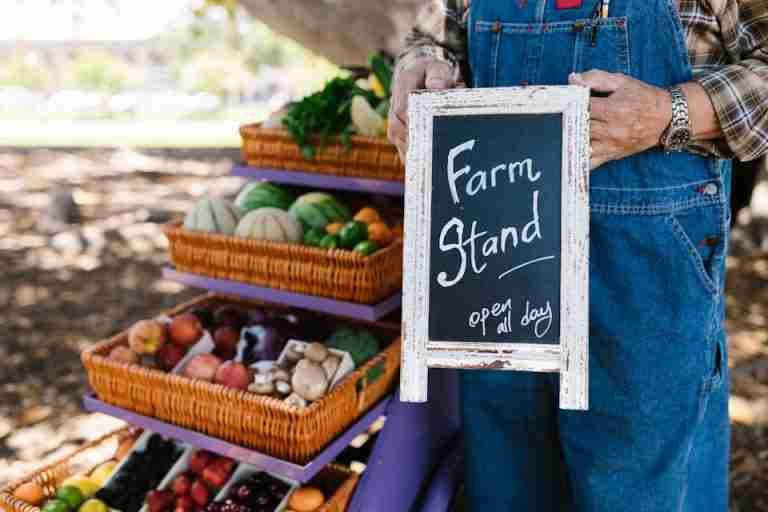
Navigating a farmer's market effectively requires a bit of strategy. First, it's wise to arrive early. This ensures access to the freshest produce and a chance to chat with vendors before the crowds arrive. Many vendors are happy to share cooking tips and recipe ideas, turning a simple purchase into a mini cooking lesson.
Shoppers should also bring their own bags and perhaps a cooler for perishables. Many markets are now plastic-free and appreciate when customers come prepared to carry their purchases sustainably. And don't forget cash—while many vendors now accept cards, cash transactions are often quicker and more appreciated.
Another tip is to walk the entire market before making any purchases. This allows comparison of prices and quality, ensuring the best deals and freshest picks. Seasoned market-goers know that a little patience pays off in securing the most delicious and cost-effective ingredients.
Meal Prep Techniques: From Market to Table
Once the market bounty is home, the next step is incorporating these fresh finds into an efficient meal prep routine. One effective technique is batch cooking. By preparing large quantities of a base ingredient, such as roasted vegetables or a grain like quinoa, one can mix and match throughout the week to create different meals.
For example, a large batch of roasted root vegetables can serve as a side dish, be tossed into salads, or puréed into soups. Grains like quinoa or farro can be cooked in bulk and used as a base for bowls, stir-fries, or even breakfast porridge. This method not only saves time but also keeps meals varied and interesting.
Experts also recommend using mason jars for storage. They keep prepped ingredients fresh and make it easy to see what's available. Layering salads in mason jars, with dressing at the bottom and greens at the top, prevents sogginess and ensures a quick grab-and-go meal option.
Maximizing Meal Prep Efficiency with Technology
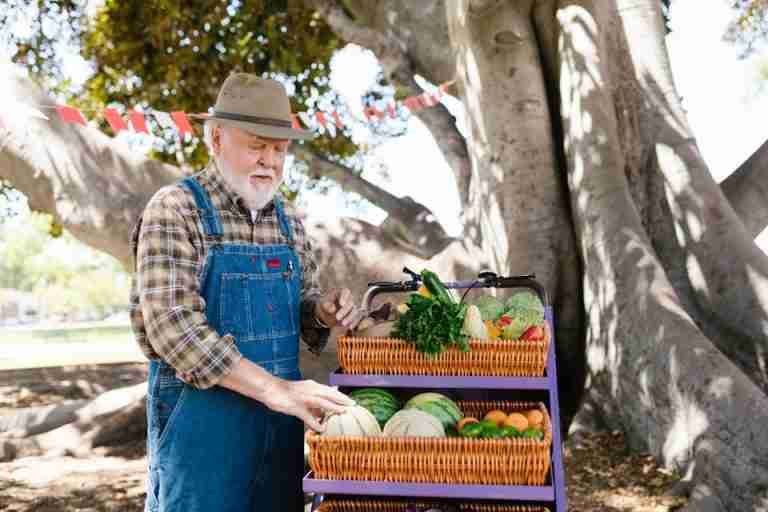
In today's fast-paced world, technology can be a powerful ally in meal prep. Apps like Mealime and Paprika Recipe Manager assist in organizing recipes, creating shopping lists, and even suggesting meals based on available ingredients. By integrating these tools with the fresh produce from the market, meal preppers can streamline their process and reduce food waste.
Digital meal planning tools often include features that allow users to input dietary preferences and restrictions, ensuring that meal prep aligns with personal health goals. This customization is invaluable for those looking to maintain specific diets, such as vegetarian, gluten-free, or low-carb.
Enjoying the Health Benefits of Farmer's Market Finds
The health benefits of incorporating farmer's market produce into meal prep are manifold. Fresh, local produce is typically free from preservatives and unnecessary additives, allowing individuals to enjoy pure, wholesome ingredients. Studies indicate that diets rich in fresh fruits and vegetables contribute to lower risks of chronic diseases, such as heart disease and obesity.
Moreover, the act of visiting a farmer's market itself can be a healthful activity. Engaging with vendors, exploring different stalls, and even walking through the market provides physical activity and social interaction, both of which are important for mental well-being. This holistic approach to food shopping and meal prep enhances both physical and mental health, making it a rewarding routine to adopt.
Taking Action: How to Start Your Market-Inspired Meal Prep Today
For those inspired to transform their meal prep routine, starting with a visit to the local farmer's market is a practical first step. Begin by identifying the nearest market—many communities host weekly events. Plan a visit for the upcoming weekend and embrace the opportunity to explore, learn, and purchase fresh ingredients.
Once home, take time to plan the week's meals around these fresh finds. Experiment with new recipes and preparation techniques. Remember, the goal is not just to prepare meals but to enjoy the process of discovering and creating. By making these changes, meal prep becomes less of a chore and more of an enjoyable, healthful lifestyle choice.
So, next weekend, consider stepping away from the grocery store aisles and into the vibrant world of a farmer's market. The transformation in meal prep might just be the beginning of a new culinary adventure.