What Happened When I Swapped Coffee for Matcha for a Month
Imagine waking up each morning, ready to face the day with a calm, focused energy instead of the jittery rush often associated with coffee. Many coffee lovers are turning their attention to matcha, a finely ground green
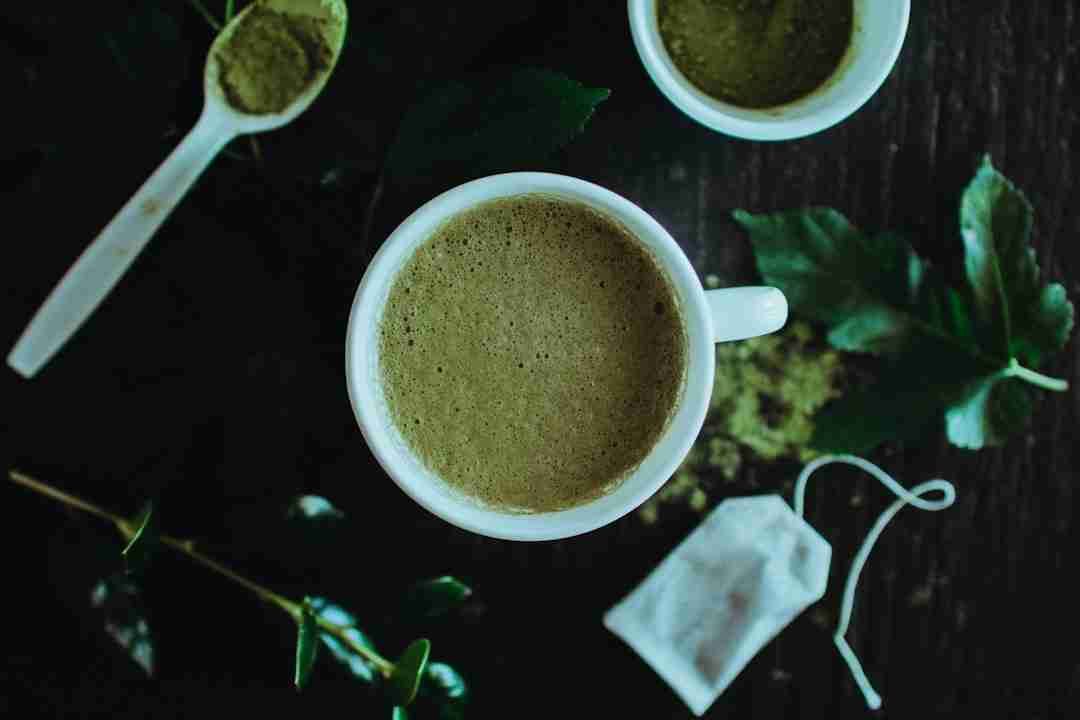
Imagine waking up each morning, ready to face the day with a calm, focused energy instead of the jittery rush often associated with coffee. Many coffee lovers are turning their attention to matcha, a finely ground green tea powder that offers a smoother, longer-lasting boost. Matcha isn't just another trendy health fad; it's a centuries-old staple in Japanese culture with a growing global fan base. What happens when someone swaps their daily coffee for matcha for a month? The results can be eye-opening and might just inspire a permanent change in your morning ritual.
The Slow and Steady Caffeine Release
Switching from coffee to matcha may initially seem daunting, especially for those who rely on caffeine for that instant wake-up call. Coffee delivers a quick jolt, thanks to its higher caffeine content, which averages around 95 mg per cup. Matcha, on the other hand, contains about 25-35 mg per half-teaspoon serving. However, the key difference lies in how caffeine is absorbed.
Matcha's caffeine binds with catechins, a type of antioxidant, which allows for a slower release into the bloodstream. This process results in a more sustained energy boost that can last 4-6 hours, compared to the short-lived spike from coffee. The result? A calm alertness that helps maintain focus without the mid-morning crash. For example, if you often find yourself crashing hours after your morning coffee, matcha might be the solution to maintaining energy levels throughout the workday, leading to improved productivity and mood.
L-Theanine: The Calm Enhancer
One of the standout components of matcha is L-theanine, an amino acid not found in coffee. L-theanine promotes relaxation without drowsiness. It works in synergy with matcha's caffeine to sharpen focus and enhance cognitive performance, creating what's often described as a "calm alertness."
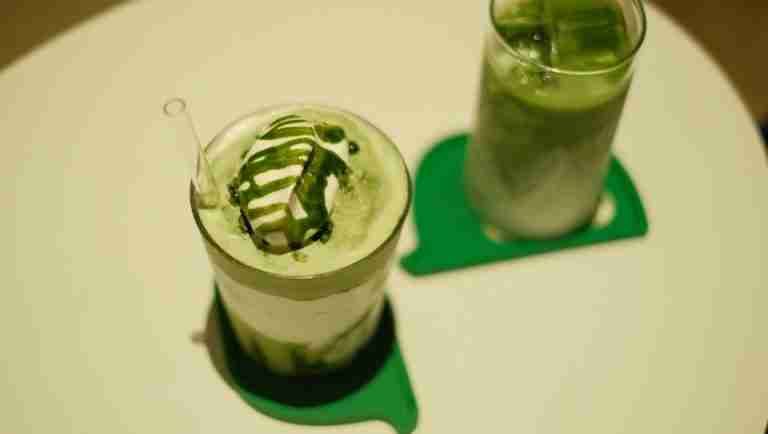
Studies, such as one published in the journal Nutritional Neuroscience, show that L-theanine increases the brain's production of alpha waves, which are associated with a state of wakeful relaxation. This unique compound helps reduce stress and anxiety, making matcha an excellent choice for anyone looking to manage their mental well-being while staying productive. For instance, incorporating matcha into your routine before a stressful meeting or presentation can help maintain composure and clarity, potentially improving performance.
Antioxidant Power: Beyond Caffeine
Matcha is a powerhouse of antioxidants, particularly catechins like EGCG (epigallocatechin gallate), which are known for their cancer-fighting properties. In fact, matcha contains up to 137 times more EGCG than a regular cup of green tea. These antioxidants combat free radicals in the body, reducing inflammation and protecting against chronic diseases.
Incorporating matcha into your daily routine can support your immune system, improve skin health, and even boost metabolism. The antioxidants in matcha also contribute to a younger-looking complexion by neutralizing the damaging effects of UV radiation and pollution. For those interested in skincare, matcha's antioxidants offer a natural way to enhance your skincare regimen, potentially reducing signs of aging and improving overall skin tone.
The Art of Preparation: A Mindful Ritual
Preparing matcha isn't just about mixing powder with water; it's a mindful practice that can transform your morning routine. Unlike the quick brew of a coffee machine, matcha preparation involves a bamboo whisk, a bowl, and hot (not boiling) water. The process encourages you to slow down and be present, turning the act of making your morning beverage into a meditative experience.
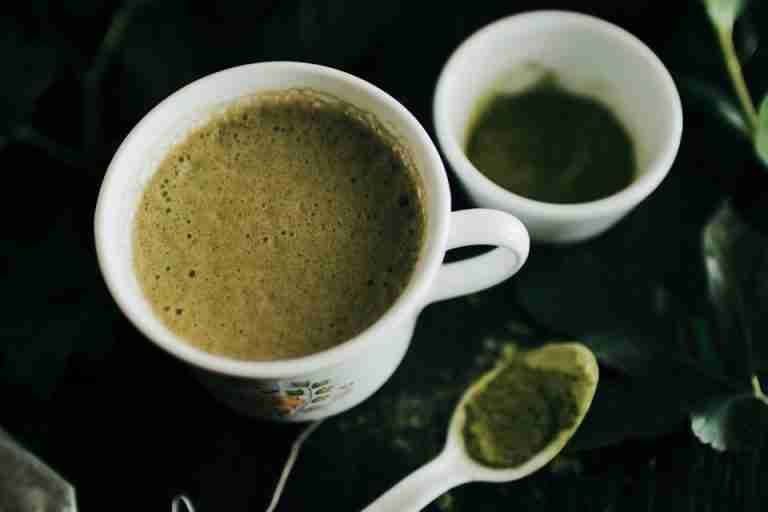
This ritual can be a welcome contrast to the fast-paced, often chaotic start to the day that many experience. Taking a few extra minutes to prepare matcha allows for a moment of reflection and tranquility, setting a positive tone for the hours ahead. Consider dedicating a specific area in your kitchen to your matcha preparation, complete with a small mat or tray to hold your utensils, to further enhance the ritualistic aspect of this practice.
Costs and Accessibility: Matcha vs. Coffee
While the initial investment in matcha might seem higher than coffee, it's important to consider the value it brings. High-quality matcha can range from $20 to $30 for a 30-gram tin, which typically provides 20-30 servings. Comparatively, a daily coffee habit can quickly add up, especially if café purchases are involved.
Matcha is becoming increasingly accessible, with many health food stores and online retailers offering a variety of options. When choosing matcha, look for "ceremonial grade" for the best flavor and quality. Brands like Ippodo and Encha offer reputable products that ensure you're getting authentic, high-quality matcha. Additionally, many specialty tea shops provide tasting opportunities, allowing you to experience different grades and flavors before committing to a purchase.
Potential Downsides: Matcha's Caffeine Sensitivity
While matcha offers numerous benefits, it's not without potential downsides. Some individuals may still experience sensitivity to caffeine, even in its slower-releasing form. It's important to pay attention to how your body reacts and adjust your intake accordingly.
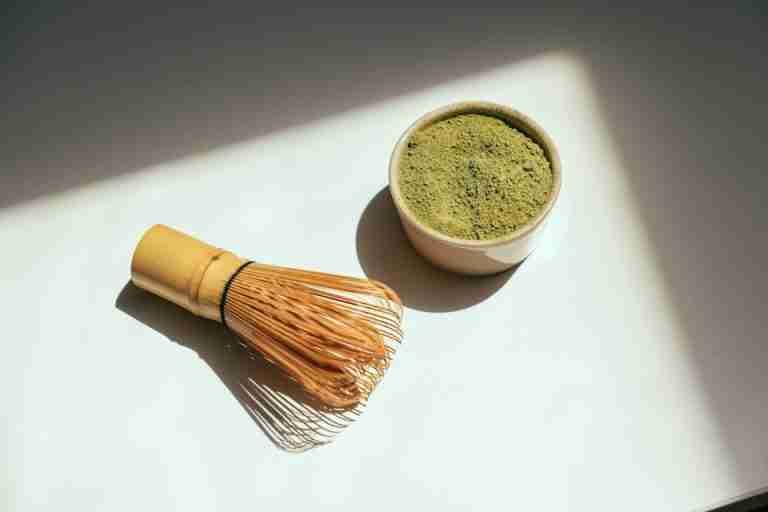
Additionally, matcha contains tannins, which can interfere with iron absorption. This means those with iron deficiency should consume matcha between meals rather than with food. Balancing matcha consumption with a well-rounded diet ensures that you enjoy its benefits without compromising nutritional needs. Consulting with a healthcare professional can provide personalized advice, particularly if you have existing health concerns or dietary restrictions.
Making the Switch: Practical Tips for Transitioning
Transitioning from coffee to matcha doesn't have to be abrupt or challenging. Here's a practical approach to ease into this new routine:
-
Start Slow: Begin by replacing one cup of coffee with matcha each day. This gradual change allows your body to adjust to the different caffeine levels and effects.
-
Experiment with Flavors: Matcha's taste can be an acquired one. Try adding a dash of honey or almond milk to enhance its sweetness. For those who enjoy lattes, matcha can be prepared similarly with frothed milk. Flavored matcha powders, such as vanilla or mint, are also available for those seeking variety.
-
Monitor Your Energy: Pay attention to how matcha affects your energy and focus throughout the day. Adjust the amount or timing of your consumption to best suit your needs. Keeping a journal can help track your energy levels and mood, providing valuable insights into how matcha fits into your lifestyle.
-
Stay Hydrated: Matcha is also a diuretic, so remember to drink plenty of water to stay hydrated. Herbal teas and infused water with lemon or cucumber can add variety to your hydration strategy.
-
Explore Recipes: Beyond traditional preparation, matcha can be incorporated into smoothies, baked goods, and even savory dishes. Websites like Matcha Maiden offer creative recipes to diversify your matcha experience. Consider integrating matcha into breakfast bowls, desserts, and even homemade energy bars for a nutritional boost.
Beyond the Morning Cup: Expanding Your Matcha Experience
To fully embrace matcha, consider exploring its use beyond the morning cup. Matcha's vibrant green color and unique flavor profile make it an exciting ingredient in various culinary applications. From matcha pancakes to green tea ice cream, the possibilities are endless. Engaging in matcha-based cooking and baking can not only enhance your culinary skills but also provide a fun and interactive way to share the benefits of matcha with friends and family.
By gradually incorporating matcha into multiple aspects of your daily routine, you can enjoy a diverse range of health benefits while discovering new flavors and experiences. Whether you're hosting a matcha-themed brunch or experimenting with matcha-infused cocktails, this versatile powder is sure to add a splash of color and wellness to your lifestyle.