When Daylight Starts Hurting Your Eyes: What It Could Mean
Imagine stepping outside into a bright, sunny day only to find yourself squinting, your eyes watering, and a sharp pain forcing you to retreat indoors. You're not alone if daylight feels like an overwhelming assault on y

Imagine stepping outside into a bright, sunny day only to find yourself squinting, your eyes watering, and a sharp pain forcing you to retreat indoors. You're not alone if daylight feels like an overwhelming assault on your senses. Light sensitivity, or photophobia, can turn the simple act of enjoying a sunny day into a painful experience. Understanding what this could mean for your health and daily life is crucial.
The Surprising Link Between Migraines and Light Sensitivity
Migraines are more than just headaches; they're a complex neurological disorder that can significantly impact your life. One of the lesser-known symptoms of migraines is light sensitivity. Research shows that around 80-90% of migraine sufferers experience photophobia. The brain's visual processing centers become hypersensitive during a migraine, making even normal levels of light unbearable.
If migraines are part of your life, managing light sensitivity involves more than just wearing sunglasses. Consider using migraine management apps to track triggers and symptoms. Creating a dark, quiet space for recovery can also help. Some individuals find relief through relaxation techniques like meditation and deep-breathing exercises that aim to reduce overall stress, which is a common migraine trigger. Consult a healthcare provider for proper diagnosis and treatment options. For those without a migraine diagnosis but experiencing similar symptoms, it might be time to consult a specialist.
How Dry Eye Syndrome Intensifies Light Sensitivity
Dry eyes might seem like a minor irritation, but they can lead to significant discomfort, especially when it comes to light sensitivity. When your eyes lack sufficient lubrication, they become more prone to irritation and photophobia. This is particularly common in people who spend long hours in front of screens or in air-conditioned environments.

Artificial tears can provide quick relief for dry eyes. Brands like Systane offer preservative-free options that are gentle on the eyes. For more persistent cases, consider investing in a humidifier to add moisture to the air or explore prescription treatments with your eye doctor. Improving your screen habits by following the 20-20-20 rule—looking at something 20 feet away for 20 seconds every 20 minutes—can also make a difference. Moreover, ensuring that your work environment is ergonomically sound, with screens at eye level and adequate lighting, can help minimize strain on your eyes.
Could Your Medication Be the Culprit?
Certain medications list light sensitivity as a side effect. Antibiotics like doxycycline, antihistamines, and some antidepressants can all contribute to increased photophobia. If you've noticed a correlation between starting a new medication and increased light sensitivity, it's worth discussing this with your healthcare provider.
Never stop taking prescribed medication without consulting a doctor. They might adjust the dosage or suggest an alternative to mitigate this side effect. Always read the leaflet accompanying your medication to stay informed about potential side effects. If light sensitivity persists, a specialist might recommend additional tests to rule out other underlying causes. Keeping a detailed log of your symptoms and any new medications can assist your healthcare provider in identifying a treatment plan tailored to your specific needs.
Eye Protection: More Than Just Sunglasses
While sunglasses are a go-to solution for many dealing with light sensitivity, not all sunglasses offer the same level of protection. Choosing sunglasses with UV400 protection ensures that your eyes are shielded from 99-100% of UVA and UVB rays. Polarized lenses can also reduce glare, making them beneficial for those with photophobia.

For those who spend significant time indoors, consider blue light blocking glasses. Brands like Felix Gray offer stylish options that can reduce eye strain from digital screens. Remember, sunglasses and blue light blocking glasses are tools in your arsenal against light sensitivity, but they work best when combined with other strategies tailored to your specific needs. Always ensure that your eyewear is comfortable and doesn't add pressure to your temples or nose, as discomfort can exacerbate symptoms.
When to Seek Professional Help for Your Symptoms
While occasional light sensitivity might not be alarming, consistent or severe symptoms warrant professional attention. An optometrist can perform a comprehensive eye exam to check for common issues like cataracts or retinal problems. In some cases, light sensitivity may signal more serious conditions such as meningitis or a brain injury.
Consider scheduling regular eye exams, especially if light sensitivity is impacting your daily life. Early detection of potential issues can lead to more effective treatment. If you're experiencing additional symptoms like blurred vision or persistent headaches, it’s crucial to communicate these to your healthcare provider. Sharing your complete medical history, including any previous eye injuries or surgeries, can provide valuable context for diagnosis and treatment.
Practical Home Adjustments for Light Sensitivity
Your living space can significantly impact your comfort level if you're dealing with light sensitivity. Simple adjustments can make a big difference. Consider installing blackout curtains to control the amount of natural light entering your home. Dimmable lights and lamps with warm bulbs can create a soothing environment.
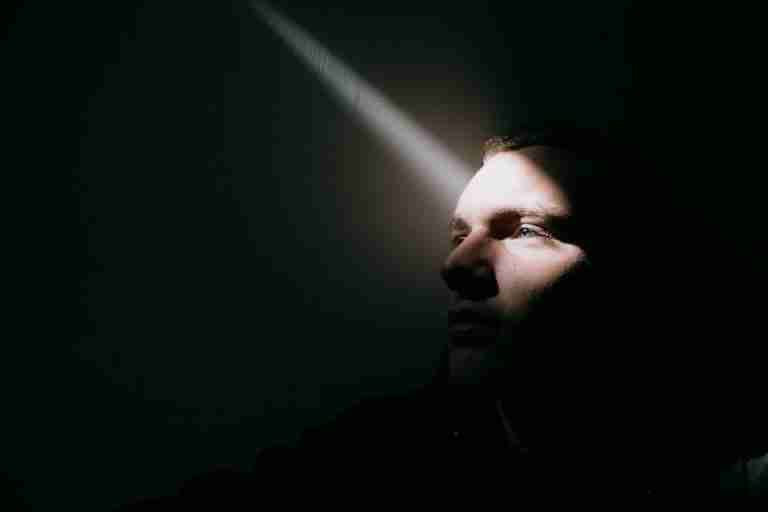
For those working from home, adjust screen settings to reduce brightness and increase font size to minimize strain. Apps like f.lux can automatically adjust your computer’s display settings based on the time of day. These small changes can contribute to a more comfortable and less painful experience when dealing with photophobia. Additionally, arranging your workspace to avoid direct sunlight on computer screens can prevent glare, making it easier to work comfortably.
Nutritional Considerations: Fuel for Your Eyes
What you eat can play a role in managing light sensitivity. Omega-3 fatty acids, found in fish like salmon and supplements like Nordic Naturals, have been shown to support eye health. Antioxidants such as lutein and zeaxanthin, present in leafy greens like spinach and kale, can also protect your eyes from light damage.
Maintaining a balanced diet rich in these nutrients can bolster your eye health over time. If dietary changes aren’t possible, consider high-quality supplements specifically designed for eye health. Consulting a nutritionist can provide personalized advice tailored to your dietary needs and lifestyle. Incorporating a variety of colorful fruits and vegetables can further enhance your overall well-being, supporting not just eye health but general health.
Lifestyle and Environmental Factors Contributing to Photophobia
Beyond medical and nutritional considerations, lifestyle and environmental factors can also play a role in photophobia. Stress is a significant contributor to light sensitivity, often exacerbating symptoms. Incorporating stress-reducing activities such as yoga, tai chi, or even regular walks in nature can help mitigate this. Ensuring adequate sleep is another critical factor; fatigue can heighten light sensitivity, so maintaining a regular sleep schedule is beneficial.
Environmental factors like pollution and allergens can also intensify symptoms for some individuals. Using air purifiers at home can reduce airborne irritants that may worsen light sensitivity. Being mindful of your environment and making conscious adjustments can aid in managing symptoms more effectively.
Actionable Steps You Can Take Today
Dealing with light sensitivity requires a multifaceted approach, but there are steps you can take right now to alleviate discomfort. Start by identifying potential triggers, whether they’re environmental factors, medications, or lifestyle choices. Keep a journal to track when symptoms occur and any potential correlations.
Invest in high-quality sunglasses and consider blue light blocking glasses for screen use. Make changes to your living environment to control lighting and reduce glare. If symptoms persist, don’t hesitate to reach out to a healthcare professional for a comprehensive evaluation. Your comfort and well-being are paramount, and addressing light sensitivity can significantly improve your quality of life.
In conclusion, light sensitivity isn't just an inconvenience—it's a symptom that deserves attention. By understanding the possible causes and implementing strategic changes, you can manage symptoms effectively and enjoy the daylight once more. Taking control of your eye health today can lead to a brighter, more comfortable tomorrow.