Finding Balance: How Tai Chi Helped Me Stop Stressing Over Little Things
In today's fast-paced world, stress has become a constant companion for many. Imagine battling through a hectic workday only to come home and find your mind still racing, unable to disconnect from the trivial problems th
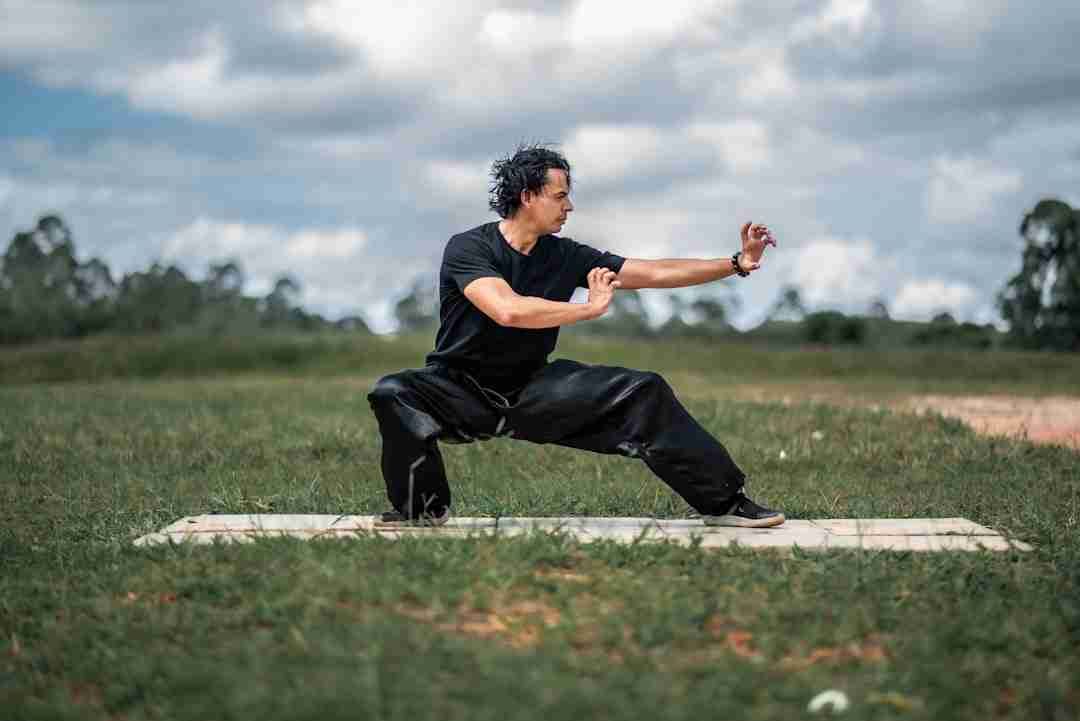
In today's fast-paced world, stress has become a constant companion for many. Imagine battling through a hectic workday only to come home and find your mind still racing, unable to disconnect from the trivial problems that seem to pile up. It's a scenario familiar to countless individuals. But what if there was a way to find tranquility amidst the chaos? Enter Tai Chi—a practice that not only calms the mind but also offers a pathway to stop stressing over the little things.
The Surprising Power of 20 Minutes Daily
Many might be surprised to learn that just 20 minutes of Tai Chi can significantly reduce stress levels. A study published in the Journal of Psychiatric Research found that participants practicing Tai Chi experienced reduced anxiety and improved mood after short daily sessions. The gentle, flowing movements of Tai Chi promote relaxation and enhance the mind-body connection, providing a meditative experience that helps individuals focus on the present moment rather than fretting over minor issues.
Tai Chi doesn't require a large time commitment, which makes it an accessible option for those with busy schedules. By dedicating just 20 minutes a day, you can cultivate a sense of inner peace that extends beyond your practice and into daily life. So, next time you find yourself overwhelmed by the little things, consider setting aside a short period to engage in this calming activity.
How Slow Movements Create a Quick Mindset Shift
Tai Chi’s deliberate, slow movements might seem counterintuitive to those accustomed to fast-paced activities. However, they are precisely what makes Tai Chi effective in shifting mindset. The practice encourages participants to slow down and become more mindful, which can be transformative for stress reduction.

Research indicates that slow-paced physical activity enhances mindfulness, which in turn decreases stress. By focusing on each movement's nuances and coordinating them with breath, practitioners develop heightened awareness and a calmer mind. This mindfulness carries over into everyday life, helping you approach situations with a more measured, less reactive mindset. The next time you're caught up in the whirlwind of minor annoyances, remember that slowing down can actually help you tackle them more effectively.
The Role of Breathing Techniques in Stress Reduction
Breathing is a fundamental component of Tai Chi that plays a crucial role in managing stress. Practitioners are taught to breathe deeply and rhythmically, which activates the parasympathetic nervous system—the body's natural relaxation response. This process reduces cortisol levels, the hormone associated with stress.
A practical takeaway for anyone looking to reduce stress is to incorporate controlled breathing exercises into their daily routine. Even outside of Tai Chi practice, taking a few minutes to engage in deep breathing can help calm the mind and body. Consider using apps like Calm or Headspace to guide your breathing exercises and cultivate a habit of relaxation.
Why Tai Chi is Accessible to Everyone
One of Tai Chi’s greatest advantages is its accessibility. Unlike many other forms of exercise that require specific equipment or advanced physical abilities, Tai Chi is suitable for individuals of all ages and fitness levels. The movements are low-impact, making it a safe option even for those with joint issues or limited mobility.

This accessibility means that stress reduction through Tai Chi is within reach for nearly everyone. Community centers, parks, and online platforms often offer classes or video tutorials to help beginners get started. For those interested in practicing at home, resources like Tai Chi for Beginners provide structured guidance to help you learn the basics at your own pace.
The Social Connection: Group Classes and Community
Practicing Tai Chi in a group setting offers the added benefit of social interaction, which can further enhance stress relief. Joining a class or community group provides a sense of belonging and support, which is essential for mental well-being. The shared experience of learning and practicing Tai Chi fosters connections that can alleviate feelings of isolation or anxiety.
Consider seeking out local Tai Chi classes through community centers or wellness studios. Many offer beginner classes that cater to different skill levels. Alternatively, online platforms like Tai Chi Foundation offer virtual classes that allow you to connect with others from the comfort of your home.
The Long-Term Benefits: Improved Focus and Emotional Regulation
Beyond immediate stress relief, Tai Chi offers long-term benefits that can help you stop stressing over little things altogether. Regular practice has been shown to improve focus and enhance emotional regulation. According to research published in the American Journal of Health Promotion, Tai Chi practitioners demonstrated significant improvements in cognitive function and emotional stability over time.
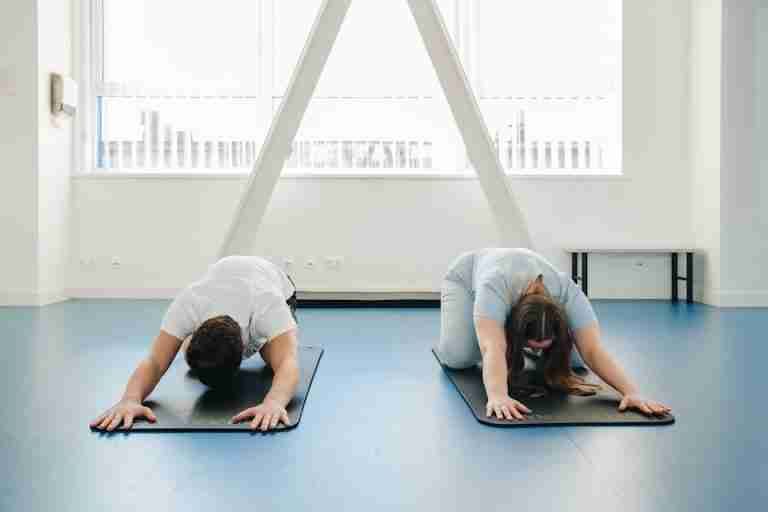
This means that, with consistent practice, you not only become more adept at handling stress but also develop the ability to maintain a calmer, more centered mindset. The improved focus allows you to prioritize tasks more effectively, while enhanced emotional regulation means you're less likely to react impulsively to minor irritations.
Getting Started with Tai Chi: A Simple Routine
For those ready to experience the stress-relieving benefits of Tai Chi, starting with a simple routine can be the first step. Here's a basic sequence to get you started:
- Warm-Up: Begin with gentle neck and shoulder rolls to release tension.
- Basic Stance: Stand with feet shoulder-width apart, knees slightly bent, and arms relaxed by your sides.
- Commencement: Slowly raise your arms to shoulder height, then let them float back down. Focus on coordinating this movement with deep, slow breaths.
- Parting the Horse's Mane: Step forward with one foot, extending your arms as if parting a curtain. Alternate sides, maintaining a steady breath.
- Closing: Conclude your practice by bringing your hands together in front of your chest, taking a moment to reflect and breathe deeply.
Practicing this routine a few times a week can help you begin experiencing the calming effects of Tai Chi. As you become more comfortable, consider exploring additional moves or seeking guidance from experienced instructors.
Practical Steps to Incorporate Tai Chi into Your Day
To make Tai Chi a regular part of your life and reap its stress-relieving benefits, consider these practical steps:
- Schedule Time: Set aside specific times for practice, treating them as important appointments. Consistency is key to developing a lasting habit.
- Create a Space: Designate a quiet, comfortable area in your home for practice. This can help you mentally transition into a state of relaxation.
- Use Resources: Leverage online tutorials and classes to guide your practice. Websites like Tai Chi Healthways offer valuable resources for beginners.
- Join a Community: Connect with others through local classes or online groups. Sharing the journey can enhance your motivation and enjoyment.
By incorporating these steps into your routine, you can make Tai Chi a valuable tool for managing stress and finding balance in daily life.
An Actionable Insight: Start Practicing Mindfulness Today
The journey to stress reduction through Tai Chi begins with a single step—mindfulness. Even if you can't start a full Tai Chi routine today, you can begin practicing mindfulness in small ways. Take a few minutes to sit quietly, focusing on your breath. Notice your thoughts without judgment and let them pass. This simple act of mindfulness can be the foundation for a more comprehensive Tai Chi practice that ultimately helps you stop stressing over the little things.
In a world that often feels overwhelming, finding balance and tranquility might seem like an elusive goal. Yet, through the gentle practice of Tai Chi, many have discovered a way to navigate life's challenges with grace and calm. By embracing this ancient art, you're not just learning to manage stress—you're cultivating a mindset that allows you to thrive amidst the ebb and flow of daily life.