When Ginger Tea Saves the Day: A Natural Fix for Nausea
Nausea can strike at the most inconvenient times. Perhaps it's the morning rush hour, and an unexpected wave of queasiness hits. Or maybe it's during that long-awaited vacation, where the last thing anyone wants is to fe

Nausea can strike at the most inconvenient times. Perhaps it's the morning rush hour, and an unexpected wave of queasiness hits. Or maybe it's during that long-awaited vacation, where the last thing anyone wants is to feel unwell. For those seeking a natural remedy that’s been trusted for centuries, ginger tea often emerges as a reliable solution. Its simplicity belies its effectiveness, offering a comforting way to combat nausea without reaching for synthetic medications.
The Science Behind Ginger's Effectiveness
Ginger's ability to alleviate nausea isn't just an old wives' tale. Scientific research backs its efficacy. A study published in the Journal of the American Board of Family Medicine found that ginger significantly reduced nausea symptoms in pregnant women compared to a placebo. The active compounds in ginger, such as gingerols and shogaols, are believed to interact with the body's digestive system, helping to settle the stomach.
The reality is, ginger works by promoting the secretion of digestive enzymes and increasing digestive tract motility. This means food moves more smoothly through the stomach and intestines, reducing the feeling of nausea. It's a natural approach that many find preferable to over-the-counter medications, which can sometimes come with unwanted side effects.
Exploring Ginger's Active Compounds
To better understand ginger's effectiveness, delve into the roles of its active compounds. Gingerols, the primary bioactive components, are responsible for its pungent aroma and taste. They exhibit anti-inflammatory and antioxidant properties, which contribute to their efficacy in soothing the digestive tract. Shogaols, formed when gingerols are dehydrated or cooked, are even more potent in reducing nausea. These compounds not only impact the digestive system but also work on the nervous system's receptors, which play a role in signaling nausea.
How to Prepare Ginger Tea: A Step-by-Step Guide
Making ginger tea is straightforward, but a few tips can enhance its effectiveness. Start with fresh ginger root, which can be found in most grocery stores. Here’s how to make a potent cup:
-
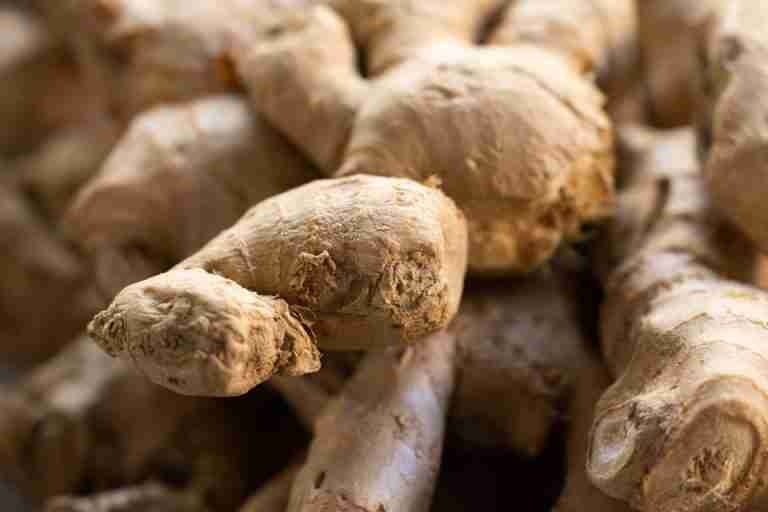
Select Fresh Ginger: Choose a firm, plump root. Avoid those that look shriveled or moldy. Freshness ensures the highest concentration of active compounds.
-
Peel and Slice: Use a spoon to peel the ginger, which helps preserve more of the root. Slice approximately one to two inches into thin pieces. Thinner slices increase the surface area, allowing more flavor and nutrients to infuse into the tea.
-
Boil Water: Bring two cups of water to a boil in a small pot. For an extra kick, add a pinch of cayenne pepper during boiling, which can enhance circulation and absorption.
-
Add Ginger: Add the ginger slices to the boiling water. Reduce the heat and let it simmer for about 10-15 minutes. For a stronger brew, let it simmer longer.
-
Strain and Serve: Pour the tea through a strainer into a cup. Add honey or lemon for taste, if desired. Honey not only sweetens but also adds an additional soothing effect on the throat and digestive system.
For those who prefer convenience, ginger tea bags are available from reputable brands like Traditional Medicinals. They offer pre-measured portions that ensure consistency and flavor.
Ginger Tea as a Travel Companion: Why It’s Ideal
Traveling, whether by car, plane, or boat, often triggers nausea for many people. Ginger tea can be a traveler's best friend. It's lightweight, easy to pack, and doesn't require refrigeration. Bringing along a few ginger tea bags ensures that relief is always within reach, no matter where the journey leads.
Consider this: a study in Aviation, Space, and Environmental Medicine noted that ginger could reduce motion sickness symptoms among naval cadets. The convenience of ginger tea means it can be enjoyed before travel begins or during the trip, providing a calming ritual that also serves a practical purpose.
Travel Tips for Using Ginger Tea
When planning to use ginger tea during travel, consider packing an insulated travel mug. This keeps the tea warm and ready to drink. Alternatively, carry a thermos of hot water and add a ginger tea bag when needed. For flights, request hot water from the flight attendants to make a fresh cup mid-air. These small preparations ensure that nausea relief is always at hand, regardless of the travel circumstances.
When to Use Ginger Tea for Nausea Relief
While ginger tea is beneficial for many types of nausea, timing can enhance its effectiveness. Here's when to consider sipping this soothing beverage:

-
Morning Sickness: Drink a cup upon waking to help manage pregnancy-related nausea.
-
Post-Meal Discomfort: If a meal leaves someone feeling queasy, ginger tea can aid digestion and settle the stomach.
-
Before Travel: Consuming ginger tea 30 minutes before travel can preempt the onset of motion sickness.
-
During Illness: When battling a stomach virus, ginger tea can provide comfort and hydration.
In each of these scenarios, ginger tea serves as a gentle, natural alternative to more aggressive treatments. However, it's important to note that while ginger tea is generally safe, those with certain medical conditions should consult a healthcare provider before using it regularly.
Timing Your Ginger Tea Intake
For optimal results, consider the timing of your ginger tea intake. Drinking it on an empty stomach can maximize its absorption and effectiveness, especially first thing in the morning. For post-meal nausea, wait for about 15-20 minutes to allow initial digestion to begin, then sip the tea slowly to ease discomfort.
Potential Side Effects and Considerations
While ginger tea is a natural remedy, it's not without potential side effects. Consuming excessive amounts can lead to heartburn or an upset stomach, due to ginger's strong digestive properties. Experts recommend limiting intake to no more than four grams of ginger per day to avoid these issues.
For pregnant women, while ginger is often recommended for morning sickness, it’s wise to discuss any herbal remedy with a healthcare professional. The same goes for individuals on blood-thinning medications or those with gallstones, as ginger can interact with these conditions.
Recognizing and Managing Side Effects
If you experience heartburn after consuming ginger tea, consider pairing it with a small snack to buffer its effects. Additionally, starting with a lower concentration of ginger and gradually increasing it can help your body adjust. Monitoring your body's responses and adjusting intake accordingly ensures you benefit from ginger tea without discomfort.
Alternatives and Complementary Remedies
Ginger tea is a fantastic option, but it’s not the only natural remedy for nausea. Peppermint tea, with its refreshing aroma, can also soothe the stomach. Some find that sucking on peppermint candies provides quick relief, making it a handy option when tea isn't accessible.
Another complementary remedy is chamomile tea, known for its calming properties. Chamomile can help relax the digestive muscles, offering relief from nausea and promoting better digestion.
For those who prefer a non-tea approach, acupressure wristbands like Sea-Band provide drug-free relief. These bands apply pressure to the P6 acupressure point on the wrist, which is associated with reducing nausea.
Blending Remedies for Enhanced Relief
Combining ginger tea with other remedies can create a synergistic effect. For example, sipping ginger tea while wearing an acupressure wristband can tackle nausea from multiple angles, enhancing relief. Similarly, alternating between ginger and peppermint teas throughout the day can prevent taste fatigue while maintaining consistent nausea management.
Incorporating Ginger Tea into Daily Life
Ginger tea isn't just for treating nausea. Its warm, spicy flavor makes it a delightful beverage to enjoy anytime. Here are a few ways to incorporate it into a regular routine:
-
Morning Ritual: Start the day with a cup of ginger tea to awaken the senses and prepare the digestive system.
-
Afternoon Pick-Me-Up: Replace the usual cup of coffee with ginger tea for a caffeine-free energy boost.
-
Evening Wind Down: Enjoy a calming cup before bed to relax and promote a good night's sleep.
The versatility of ginger tea means it can easily fit into various parts of daily life, offering both flavor and health benefits.
Creating a Ginger Tea Ritual
To make ginger tea a regular part of your life, consider setting aside specific times for its enjoyment. Establishing a morning or evening tea ritual can enhance the experience, turning it into a moment of mindfulness and relaxation. Using a favorite mug or adding a special ingredient, like a cinnamon stick or a slice of lemon, can make the ritual even more enjoyable.
Today's Actionable Insight: Embrace Ginger Tea
Nausea is an unwelcome guest in anyone's life, but ginger tea offers a natural and effective way to send it packing. Whether dealing with morning sickness, post-meal discomfort, or motion sickness, this simple remedy has stood the test of time for good reason.
Why not take action today? Consider picking up some fresh ginger or a box of ginger tea bags on your next grocery run. Experiment with making a fresh brew or simply enjoy the convenience of a pre-packaged option. Discover how this ancient root can become a modern-day ally in your health regimen.