When Your Sniffles Signal Something Serious
The common cold is often dismissed as a minor nuisance. A runny nose, a few sneezes, and a scratchy throat are just part of the seasonal drill, right? But sometimes, those seemingly harmless sniffles are a sign of someth
The common cold is often dismissed as a minor nuisance. A runny nose, a few sneezes, and a scratchy throat are just part of the seasonal drill, right? But sometimes, those seemingly harmless sniffles are a sign of something more serious. Ignoring them could be a mistake. It's important to know when to shrug off a runny nose and when to pay closer attention. Here's what you need to look out for.
Fever and Sniffles: A Red Flag Combination
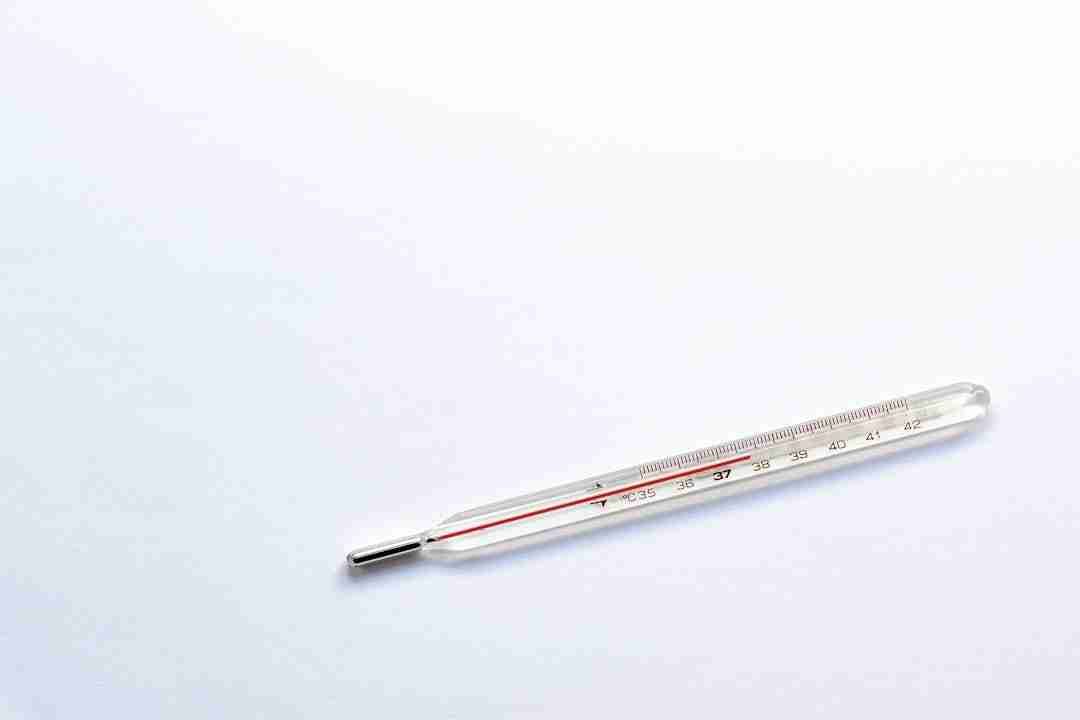
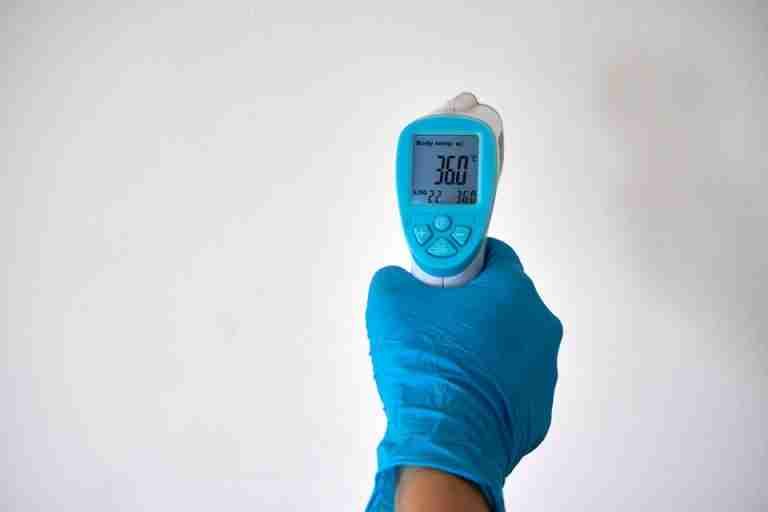
A runny nose paired with a slight fever might not seem alarming. But when the temperature starts creeping above 100.4°F, it's time to reconsider. This combination could indicate an infection more serious than a common cold, such as influenza or even pneumonia. The Centers for Disease Control and Prevention (CDC) advises that fevers accompanying flu-like symptoms warrant a medical evaluation, especially if they persist. In some cases, a high fever with sniffles could be an early sign of a bacterial infection that may require antibiotics. It's also important to monitor the duration of the fever; a fever that lasts more than three days should be evaluated by a healthcare professional. They can perform tests to rule out conditions like strep throat or mononucleosis, both of which may also present with fever and cold-like symptoms.
Sniffles That Last More Than 10 Days
A cold typically runs its course in about a week. If your sniffles persist for more than 10 days, it's wise to consult a healthcare provider. Prolonged symptoms might suggest chronic sinusitis or an allergy that hasn't been addressed. Allergies can mimic cold symptoms, but they need different treatments. Sinusitis often requires antibiotics or nasal corticosteroids. According to the American College of Allergy, Asthma, and Immunology, untreated sinus infections can lead to complications like meningitis or a brain abscess, albeit rarely. Consider keeping a detailed record of your symptoms to discuss with your healthcare provider. Note any accompanying symptoms such as facial pain, loss of smell, or postnasal drip, as these could help narrow down the diagnosis and lead to a more effective treatment plan.
Thick, Discolored Mucus: Not Just a Cold
Sniffles with clear mucus are typically harmless. But when the mucus turns yellow or green, it's a sign that your body is fighting off an infection. This could be a viral or bacterial infection, which might need medical attention. A study published in the Journal of Family Practice found that colored mucus is more often associated with bacterial sinusitis, which often requires antibiotic treatment. If the discolored mucus is accompanied by facial pain or pressure, it's a stronger indication of sinusitis. To manage symptoms, consider using saline nasal sprays to keep nasal passages moist and to help clear out mucus. Warm compresses can also alleviate sinus pressure and discomfort. However, if symptoms do not improve with these home remedies, seek medical advice.
Accompanying Ear Pain or Hearing Changes
Ear pain or hearing changes paired with sniffles can signal an ear infection, especially in children. Adults can experience this too, often due to Eustachian tube dysfunction. According to the Mayo Clinic, untreated ear infections can lead to complications like hearing loss or eardrum damage. If these symptoms appear, especially with a fever, it's crucial to seek medical advice. Treatments may include antibiotics or decongestants to alleviate pressure and pain. In some cases, a warm cloth applied to the ear can provide temporary relief. Avoid inserting cotton swabs or other objects into the ear, as this can worsen the condition or cause injury.
Shortness of Breath: A Serious Symptom

When sniffles are accompanied by shortness of breath, it's not something to ignore. This combination could indicate a respiratory infection like bronchitis or even asthma exacerbation. In severe cases, it might be a sign of pneumonia. Research from the American Thoracic Society highlights that pneumonia symptoms often start subtly but can progress rapidly. Timely medical intervention can prevent serious complications and reduce the risk of hospitalization. It's advisable to monitor your breathing; if you find yourself struggling to breathe or experiencing chest pain, seek immediate medical attention. Pulmonary function tests may be necessary to diagnose underlying respiratory conditions accurately.
Unexpected Weight Loss and Ongoing Sniffles
Experiencing unexpected weight loss alongside persistent sniffles is a red flag. This could be indicative of a chronic condition such as tuberculosis or even certain cancers like lymphoma. These diseases often present subtle symptoms that can be easily overlooked. A study in the British Medical Journal emphasizes the importance of early detection. If you notice this combination, a comprehensive medical evaluation is essential to rule out serious conditions. Your doctor may order blood tests, imaging studies, or even a biopsy to determine the underlying cause. Early intervention can significantly influence outcomes in these cases.
Sniffles Accompanied by a Severe Headache
A severe headache that doesn't improve with over-the-counter medication, when paired with sniffles, could suggest more than just a cold. It might be a sign of a sinus infection that has spread or even meningitis, especially if accompanied by neck stiffness or a rash. The National Meningitis Association stresses the importance of early diagnosis and treatment for meningitis to prevent life-threatening complications. If such symptoms are present, seeking immediate medical attention is crucial. To help alleviate sinus headaches, consider using a humidifier to maintain moisture in the air or practicing steam inhalation. These methods can help reduce sinus pressure and improve symptoms temporarily.
When Sniffles Come With a Rash

A rash that appears with sniffles can be indicative of several conditions, ranging from mild to severe. Viruses like rubella and measles, although rare due to vaccinations, can present with these symptoms. The American Academy of Dermatology advises that any rash with respiratory symptoms should be assessed by a healthcare provider, especially if accompanied by fever or if the rash spreads rapidly. Early diagnosis is key to managing these conditions effectively. It's beneficial to take note of any new skincare products or environmental changes that might have triggered the rash, as these details can assist healthcare providers in diagnosis and treatment.
Persistent Cough Alongside Sniffles
A cough that lingers beyond three weeks, especially when paired with sniffles, might suggest a more serious condition such as chronic bronchitis or even pertussis (whooping cough). The CDC notes that pertussis can be particularly severe in infants and older adults. A persistent cough requires medical evaluation to determine the underlying cause and appropriate treatment. In some cases, this might include bronchodilators or inhaled steroids. It's beneficial to stay hydrated and use a humidifier to keep airways moist, which can help soothe the cough and reduce irritation.
How to Be Proactive About Your Sniffles
Taking action when sniffles seem more serious is important. Start by keeping a symptom diary to track any additional symptoms, their duration, and severity. This can be helpful when consulting a healthcare provider. Consider using apps like Symple to log symptoms easily. Maintaining a healthy immune system through a balanced diet, adequate sleep, and regular exercise can help prevent infections. Foods rich in vitamin C, such as oranges and strawberries, are beneficial for immune support. For those who frequently experience allergies, identifying and managing triggers is essential. Products like Flonase can help manage symptoms effectively. However, if symptoms persist or worsen, a healthcare provider can offer guidance on other treatment options, including allergy shots or prescription medications. Keeping windows closed during high pollen seasons and using air purifiers can also minimize exposure to allergens.
Final Thoughts: Don't Ignore the Signs
Sometimes, sniffles are just sniffles. But when they come with other persistent or severe symptoms, it's time to act. Ignoring these signs can lead to more serious health issues. Being aware of when to seek medical advice can make all the difference. So, the next time the sniffles strike, remember these warning signs and take appropriate action. After all, health is something that shouldn't be left to chance.
By paying attention to your body's signals and consulting with healthcare professionals when necessary, you can ensure those sniffles don't turn into something more serious. Staying informed and maintaining healthy habits can safeguard your well-being and help you navigate the cold and flu season with confidence.