Why Adding Fermented Foods to Your Diet Might Be the Game-Changer You Need
Imagine feeling more energetic, less stressed, and having better digestion just by adding a few items to your grocery list. Many are discovering that integrating fermented foods into their diet can lead to these benefits
Imagine feeling more energetic, less stressed, and having better digestion just by adding a few items to your grocery list. Many are discovering that integrating fermented foods into their diet can lead to these benefits and more. It's not just a trend; it's a time-tested approach backed by both tradition and science. Let's explore how fermented foods might be the game-changer your diet needs and how you can start incorporating them today.
The Microbial Magic: How Fermented Foods Work
Fermented foods are packed with probiotics, which are live bacteria that provide numerous health benefits. When you consume fermented foods, you're introducing these beneficial bacteria into your gut. This process helps balance your gut microbiome, which is crucial for digestion, immunity, and even mental health. According to a study published in the journal Frontiers in Microbiology, a healthy gut microbiome can help reduce inflammation and improve nutrient absorption.
Consider this: your gut is home to trillions of bacteria, and the balance between good and bad bacteria can significantly impact your overall health. Fermented foods like yogurt, sauerkraut, and kimchi are rich in probiotics that can help tilt the balance in favor of the good guys. By regularly consuming these foods, you might notice improvements in digestion and a decrease in gastrointestinal issues.
The Role of Fermentation in History
Fermentation has a long history of use across various cultures around the globe. It was initially developed as a method for preserving food before the advent of refrigeration. For instance, ancient civilizations used fermentation to store vegetables and dairy products for extended periods. This method not only preserved food but also enhanced its nutritional profile and digestibility. Understanding this historical context underscores the enduring value of fermented foods in human diets.
Yogurt: The Simple Start to Better Digestion
Yogurt is perhaps the most familiar fermented food, often recommended for its high probiotic content. But not all yogurts are created equal. To reap the benefits, choose yogurts labeled with "live and active cultures." These cultures are the probiotics that can help improve digestion and boost your immune system. A study by Harvard Health Publishing highlights that consuming yogurt with live cultures can help with lactose digestion and provide relief from certain gastrointestinal conditions.

For those looking to add yogurt to their diet, try starting with a serving at breakfast or as a snack. Pair it with fruits or nuts for added fiber and nutrients. If you're vegan or lactose intolerant, there are plenty of plant-based yogurts made from almond, coconut, or soy milk that also contain probiotics. Brands like Silk offer plant-based options with live cultures.
Creative Ways to Enjoy Yogurt
Beyond the traditional bowl with fruit and granola, yogurt can be used in a variety of creative ways. Consider using it as a base for salad dressings or sauces to add a tangy flavor while boosting probiotic intake. You can also incorporate it into baking by substituting it for butter or oil in muffins and cakes, which not only reduces fat content but also adds moistness and a slight tang.
Sauerkraut and Kimchi: A Flavorful Way to Fight Inflammation
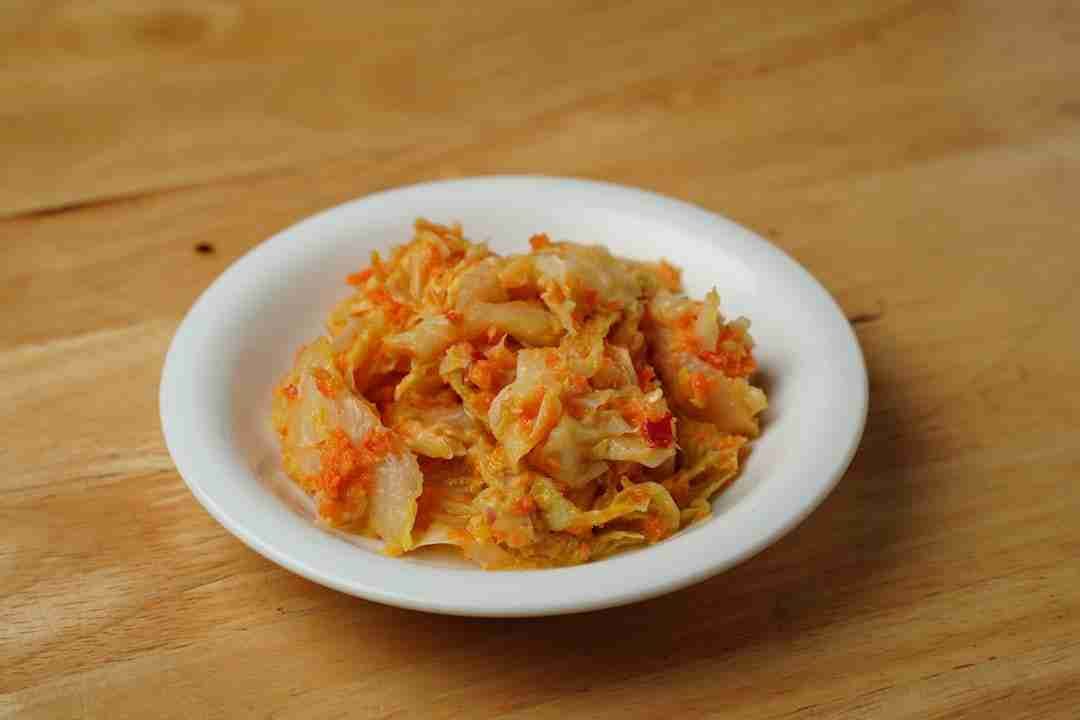
Sauerkraut and kimchi, both fermented cabbage dishes, provide a tangy and spicy way to support your gut health. These foods are not only rich in probiotics but also in antioxidants and vitamins C and K. Research from The Journal of Medicinal Food suggests that the probiotics in kimchi can help reduce inflammation and improve metabolic health.
Adding sauerkraut or kimchi to your meals can be simple. Try topping your sandwiches, salads, or rice bowls with a spoonful for an extra zing and a health boost. It's a small change that can make a big difference. Just ensure you're choosing unpasteurized versions, as pasteurization can kill beneficial bacteria.
Homemade Fermented Foods
For the more adventurous, making homemade sauerkraut or kimchi can be a rewarding experience. Not only does it allow you to control the ingredients and flavors, but it also gives you a sense of accomplishment. Start by slicing cabbage and mixing it with salt before packing it tightly into a jar. Allow it to ferment at room temperature for a few days to a week, tasting periodically until it reaches the desired flavor.
Kefir: The Probiotic Powerhouse
Kefir is a fermented milk drink that's gaining popularity due to its potent probiotic content. It's similar to yogurt but has a thinner consistency and a more diverse range of bacteria and yeasts. Studies indicate that kefir can improve gut health, aid digestion, and even enhance lactose tolerance, making it an excellent choice for those sensitive to dairy.
To incorporate kefir into your routine, consider using it as a base for smoothies or as a substitute for milk in recipes. It's available in various flavors, but plain kefir is the best option to avoid added sugars. For those avoiding dairy, water kefir made from sugar water or coconut water is a great alternative. Brands like Lifeway offer both dairy and non-dairy kefir options.
Tempeh and Miso: Plant-Based Protein with a Probiotic Punch
For those following a plant-based diet, tempeh and miso are excellent sources of both protein and probiotics. Tempeh, made from fermented soybeans, is a versatile meat substitute that can be cooked in various ways. It's rich in protein, vitamins, and minerals, making it a nutritious addition to any meal. Research shows that the fermentation process in tempeh not only enhances its nutritional profile but also makes it easier to digest.
Miso, a fermented soybean paste, is another probiotic-rich food commonly used in Japanese cuisine. A small amount of miso added to soups, sauces, or marinades can provide a savory depth of flavor and a probiotic boost. Just be mindful of the sodium content, as miso can be quite salty. For cooking ideas, check out recipes from Miso Tasty.
Cooking Tips for Tempeh and Miso
Tempeh can be marinated and grilled, sautéed, or crumbled into dishes like stir-fries and tacos. Its hearty texture makes it a satisfying meat alternative. When using miso, remember that its flavor can be quite strong, so start with a small amount and adjust to taste. Try mixing miso with vinegar, ginger, and garlic for a quick salad dressing that delivers a probiotic punch.
Kombucha: A Refreshing Probiotic Beverage
Kombucha, a fizzy fermented tea, has become a trendy beverage choice for its potential health benefits. It's made by fermenting sweetened tea with a symbiotic culture of bacteria and yeast (SCOBY). Kombucha is rich in probiotics, antioxidants, and can help with digestion and detoxification.

When purchasing kombucha, look for brands that use organic ingredients and avoid those with excessive added sugars. Many enjoy kombucha as a refreshing alternative to soda or as a pre-meal beverage to aid digestion. If you're interested in trying it, brands like GT's Kombucha offer a wide variety of flavors.
Brewing Your Own Kombucha
Brewing your own kombucha at home can be an exciting project. All you need is a SCOBY, tea, sugar, and a little patience. By experimenting with different teas and flavorings like ginger or fruit, you can create a personalized beverage that's both delicious and beneficial for your gut health.
Getting Started: Practical Tips for Incorporating Fermented Foods
Starting with fermented foods doesn't have to be overwhelming. Here are some practical tips to help you integrate them into your diet:
-
Start Small: If you're new to fermented foods, begin with small servings to allow your digestive system to adjust. Gradually increase your intake as your body adapts.
-
Mix and Match: Try incorporating a variety of fermented foods to benefit from different strains of probiotics. Rotate between yogurt, kefir, sauerkraut, and kimchi to keep your diet interesting.
-
Check the Labels: When purchasing fermented foods, look for labels that specify "live and active cultures" to ensure you're getting probiotic benefits.
-
Experiment with Recipes: Use fermented foods in your cooking. Add kimchi to fried rice, use kefir in smoothies, or spread miso on toast for a new flavor experience.
-
Monitor Your Body: Pay attention to how your body responds. Some may experience initial bloating or gas, which typically subsides as your gut adjusts.
By following these tips, you can gradually introduce fermented foods into your routine and potentially experience the health benefits they offer.
Taking the First Step Today
The potential benefits of adding fermented foods to your diet are compelling. From improved digestion to enhanced immunity and even better mental health, these foods offer a wide range of advantages. The key is to start small, be consistent, and enjoy the process of discovering new flavors and textures.
So why not take the first step today? Head to your local grocery store, pick up a jar of sauerkraut or a bottle of kombucha, and see how fermented foods can transform your health. It's a simple change that might just be the game-changer you've been looking for.