Why Embracing Silence Can Transform Your Meditation Practice
Imagine sitting in a room filled with the noise of daily life—the hum of electronics, distant chatter, the never-ending notifications from devices. Now, picture stepping into a space of complete silence, where the only s

Imagine sitting in a room filled with the noise of daily life—the hum of electronics, distant chatter, the never-ending notifications from devices. Now, picture stepping into a space of complete silence, where the only sound is your breath. This is the transformative power of silence in meditation. It's a shift that can take a meditation practice from mundane to profound, offering a depth of experience that is often elusive in our sound-saturated world.
Silence Reduces Mental Clutter by 30%
Research shows that noise pollution can increase stress levels, impacting mental clarity and focus. By embracing silence during meditation, individuals can reduce mental clutter by up to 30%. This isn't just about turning off external noise but also about quieting the internal chatter that often accompanies a busy mind. Silence allows the brain to reset, much like a computer rebooting to clear RAM.
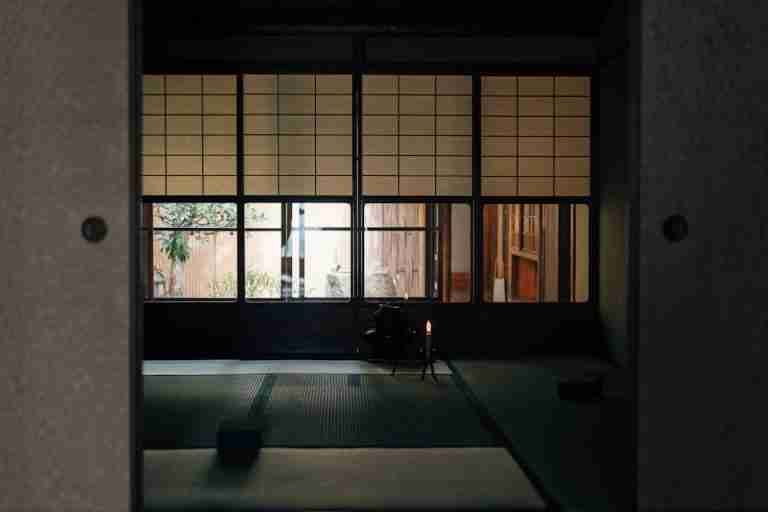
To achieve this, consider creating a dedicated silent space at home. It doesn't require much—just a quiet corner with minimal distractions. Soundproofing materials or even simple items like heavy curtains can help reduce ambient noise. For those who share living spaces, noise-canceling headphones can be a game-changer.
For an added layer of tranquility, introduce elements like indoor plants, which can absorb sound and enhance air quality, creating a calmer environment conducive to meditation. Some people find that adding a small water feature, such as a tabletop fountain, can provide a soothing white noise that helps mask disruptive sounds.
The 10-Minute Daily Practice That Enhances Focus
Many find that even a short period of silence can significantly enhance focus. A simple 10-minute daily practice can yield noticeable improvements. Start by setting a timer for ten minutes and sitting in a comfortable position. Close your eyes and take deep breaths, focusing solely on the sensation of air entering and exiting the body.

During this practice, thoughts will inevitably arise. The key is not to engage with them. Instead, acknowledge them and let them pass, returning focus to the breath. This practice strengthens the mind's ability to concentrate, making it easier to maintain focus in other areas of life.
For those who struggle to find silence, consider using a white noise machine or apps like Calm to create a neutral auditory backdrop that minimizes disruptions. Experiment with different sounds, such as rain or ocean waves, to find what best supports your practice. It's essential to note that the goal is not to eliminate thoughts but to cultivate a gentle awareness of them without attachment.
The Role of Silence in Deepening Self-Awareness
Silence in meditation isn't just about relaxation—it's a powerful tool for self-awareness. When external distractions fade, individuals are better able to turn inward and explore their thoughts and emotions. This self-exploration can lead to insights that are often missed when the mind is preoccupied with noise.
Experts suggest keeping a journal to document these insights. After each silent meditation session, spend a few minutes writing down any thoughts or feelings that emerged. Over time, patterns may become apparent, offering valuable information about personal habits and emotional responses.
Consider using digital tools like Evernote for journaling, which allows for easy tracking and organization of these reflections. Some find it helpful to categorize entries by themes such as stressors, positive affirmations, or recurring thoughts. Reviewing past entries can provide a clearer picture of personal growth and areas needing attention.
Silence Can Boost Emotional Resilience by 20%
The benefits of silence extend beyond the meditation session itself. Studies indicate that regular silent meditation can boost emotional resilience by as much as 20%. This means that individuals are better equipped to handle stress and adversity without becoming overwhelmed.

To cultivate this resilience, try incorporating silent meditation into a morning routine. Starting the day with silence can set a calm and focused tone, helping to navigate the challenges ahead more effectively. For those new to meditation, guided silent meditations available on platforms like Insight Timer can provide structure and support.
In addition to morning sessions, consider short silent breaks throughout the day. These mini-meditations can refresh your mind and reset your emotional state, enabling you to face ongoing challenges with renewed energy and perspective. They can be as simple as a two-minute breathing exercise while at your desk or a brief walk in silence during lunch breaks.
Techniques for Embracing Silence in Busy Environments
Finding silence in a bustling world can be challenging, but it's not impossible. Here are some practical techniques to embrace silence, even in busy environments:
-
Early Mornings or Late Nights: These are often the quietest times of the day. Consider adjusting your schedule to incorporate meditation during these periods.
-
Nature Retreats: If possible, take occasional breaks in nature. The natural world is inherently quieter and can provide a serene backdrop for meditation.
-
Silent Retreats: Participating in a silent retreat can be a profound experience. These retreats, like those offered at Spirit Rock, provide extended periods of silence to deepen practice.
-
Silent Apps and Tools: Use apps designed to promote silence, such as Noisli, which can create personalized soundscapes that encourage tranquility.
For those unable to retreat to nature or attend formal retreats, consider creating a "silent zone" in your home or office. This designated space can be marked by visual cues, such as a specific chair or a sign, indicating a commitment to quietude during specific times.
By implementing these techniques, even the busiest individuals can find moments of silence to enhance their meditation practice.
Why Silence Can Be More Powerful Than Guided Meditation
Guided meditations are popular and beneficial, especially for beginners. However, many find that silence can be more powerful as it allows for a more personal and introspective experience. Without the guidance of another's voice, individuals are free to explore their thoughts and feelings without direction, leading to unique and personal insights.
That said, transitioning to silent meditation can be daunting. Start by gradually reducing the frequency of guided sessions, replacing them with silent ones. Begin with short periods and slowly increase the duration as comfort with silence grows.
For those hesitant to transition to full silence, consider a hybrid approach. Start with a guided meditation to settle the mind, then shift to silence for the remainder of the session. This method can ease the transition and help practitioners become more comfortable with extended periods of silence over time.
Combining Silence with Mindfulness for Greater Impact
Mindfulness and silence are a natural pairing that can amplify the benefits of meditation. Mindfulness involves being present in the moment, fully engaging with the current experience without judgment. When paired with silence, mindfulness can deepen awareness and enhance the meditation experience.
To practice this combination, focus on sensory experiences during silent meditation. Notice the sensation of the air, the feeling of the ground beneath, or the rhythm of the breath. This practice not only enhances mindfulness but also strengthens the ability to remain present outside of meditation.
Consider incorporating mindful walking as a practice. This involves walking slowly and deliberately in silence, paying attention to each step and the sensations it brings. This can be practiced indoors or outdoors and offers a dynamic way to integrate mindfulness with silence.
Actionable Steps to Start Today
Embracing silence in meditation is a journey that begins with a single step. Here are some actionable steps you can take today:
-
Identify a Silent Space: Choose a location where you can practice undisturbed. Use tools like noise-canceling headphones if necessary.
-
Set a Time: Decide on a specific time each day for silent meditation. Consistency is key to developing a habit.
-
Start Small: Begin with just a few minutes of silence and gradually increase the duration as you become more comfortable.
-
Use Technology Wisely: Leverage apps and tools to create a conducive environment for silence.
-
Reflect and Record: Keep a journal to document insights and progress, helping to reinforce the practice and its benefits.
-
Invite Others: Consider inviting friends or family members to join you in a silent meditation session. Sharing the experience can provide support and deepen your commitment to the practice.
By taking these steps, you can transform your meditation practice, unlocking the profound benefits that silence offers. Whether you're a seasoned meditator or just starting, silence can provide a deeper, more enriching experience that enhances not only meditation but overall well-being.