Why Fermented Foods Became My Kitchen Staple
Imagine opening your fridge and finding jars filled with vibrant colors and tangy aromas that instantly make your mouth water. These aren't just jars; they're powerhouses of flavor and nutrition. Fermented foods have tak
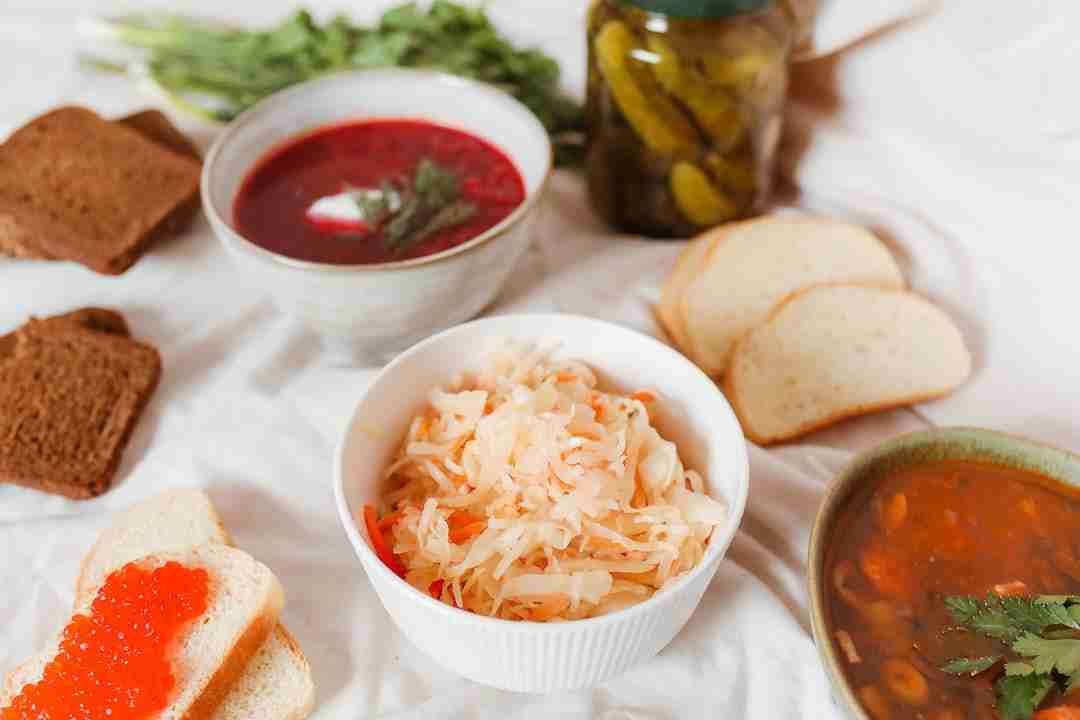
Imagine opening your fridge and finding jars filled with vibrant colors and tangy aromas that instantly make your mouth water. These aren't just jars; they're powerhouses of flavor and nutrition. Fermented foods have taken kitchens by storm, not just for their taste but for the myriad of health benefits they offer. If you've ever wondered why these foods are gaining popularity, you're in for a treat. Fermented foods are more than just a trend—they're a lifestyle change that can elevate your meals and well-being.
The Gut Health Revolution: How Fermented Foods Are Leading the Way
Gut health is more than a buzzword; it's a cornerstone of overall well-being. Fermented foods like kimchi, sauerkraut, and kefir are rich in probiotics, the beneficial bacteria that support a healthy digestive system. Research shows that a balanced gut microbiome can improve digestion, boost the immune system, and even influence mood and mental health. Incorporating fermented foods into your diet can help maintain this balance, making them an essential component for those looking to enhance their gut health.
But here's the thing: not all fermented foods are created equal. While yogurt is a popular choice, options like kombucha and miso offer diverse probiotic strains that can benefit different aspects of health. For example, miso is rich in enzymes and can aid in digestion, while kombucha is known for its detoxifying properties. Understanding these distinctions can help you tailor your diet to meet specific health goals. For instance, those seeking to boost their immune system might prioritize kefir, which is noted for its robust probiotic content and potential to support healthy gut flora.
DIY Fermentation: Save Money and Customize Your Flavors
One of the most appealing aspects of fermented foods is the ability to make them at home. This not only saves money but also allows you to customize flavors to suit your palate. A jar of homemade sauerkraut requires just cabbage, salt, and a little patience. The fermentation process begins when natural bacteria on the cabbage convert sugars into lactic acid, preserving the cabbage and adding that signature tang.
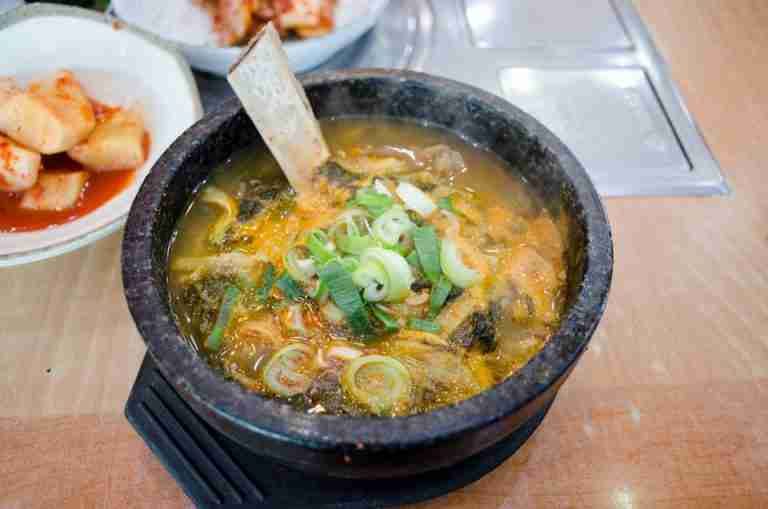
Creating your own fermented foods can be a rewarding experience, but it does require some basic knowledge and equipment. A reliable fermentation kit, which typically costs around $20 to $50, can simplify the process. Kits often include airlock lids, weights, and instructions, ensuring that even beginners can succeed. Using these tools can help you avoid common pitfalls, such as mold growth or uneven fermentation, making the process smoother and more enjoyable.
For those hesitant to dive into DIY, there are plenty of quality store-bought options. Brands like Bubbies offer a wide range of fermented products that maintain the integrity of traditional methods. These products can be a convenient way to explore different flavors and textures without the commitment of home fermentation.
The Surprising Impact on Food Preservation and Sustainability
Fermentation is one of the oldest methods of food preservation, dating back thousands of years. It extends the shelf life of perishable items without the need for refrigeration or artificial preservatives. This not only reduces food waste but also supports sustainability efforts by minimizing the energy needed for storage.
Consider this: a jar of homemade kimchi can last several months if stored properly, compared to fresh vegetables that might spoil in a week. This longevity makes fermented foods a practical choice for those looking to reduce their carbon footprint. When you ferment foods at home, you also have the opportunity to repurpose leftover produce, thus minimizing waste and maximizing resources.
In addition, fermentation often enhances the nutritional profile of foods, making them more bioavailable. For instance, the fermentation of soybeans to produce tempeh increases its protein content and makes nutrients more accessible. This process can transform simple ingredients into nutritional powerhouses, providing more bang for your buck in terms of nutrients.
Fermented Foods as Flavor Enhancers: Elevate Your Culinary Creations
Fermented foods are not just nutritional powerhouses; they're also culinary game-changers. The complex flavors developed during fermentation can transform simple dishes into gourmet experiences. A spoonful of miso can add depth to soups and marinades, while a sprinkle of fermented hot sauce can elevate a simple taco to new heights.
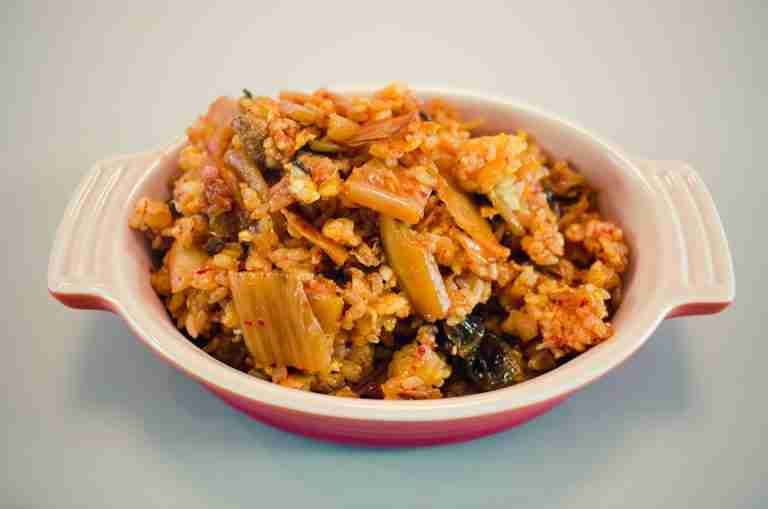
The umami-rich quality of fermented products like soy sauce and fish sauce can enhance the flavor profiles of numerous dishes. Kikkoman soy sauce, for example, undergoes a fermentation process that enriches its flavor, making it a staple in many kitchens worldwide. When used strategically, these ingredients can introduce layers of flavor that make your dishes stand out.
For those looking to experiment, try incorporating fermented foods into everyday meals. Use kefir in smoothies for a probiotic boost or add a dollop of kimchi to scrambled eggs for a spicy kick. The possibilities are endless, and the results are always delicious. You might also try fermenting your own condiments—such as hot sauce or mustard—to develop unique flavor profiles that can't be found in store-bought varieties.
Cultural Treasures: Fermented Foods Around the World
Fermented foods are a testament to cultural heritage and culinary tradition. Each region around the globe has its unique take on fermentation, reflecting local tastes and ingredients. In Korea, kimchi is more than just a side dish; it's a national symbol with over 200 variations. Similarly, in Japan, natto is a breakfast staple known for its distinctive flavor and health benefits.
Exploring fermented foods from different cultures can broaden culinary horizons and introduce new flavors. Next time you're at an international grocery store, look for items like Indian dosa batter or Ethiopian injera. These foods not only offer diverse flavors but also share the common thread of fermentation. By trying these international delicacies, you can gain a deeper appreciation for the techniques and traditions that have been passed down through generations.
Trying new fermented foods can be an exciting culinary adventure. Many find that exploring these foods opens doors to new tastes and textures that may become new favorites in the kitchen. As you experiment, consider pairing these flavors with familiar dishes to create fusion meals that blend old and new culinary traditions.
Practical Tips for Incorporating Fermented Foods into Your Diet
Adding fermented foods to your diet doesn't require a complete overhaul. Start small by introducing one or two items into your meals. Here are some practical tips to get started:
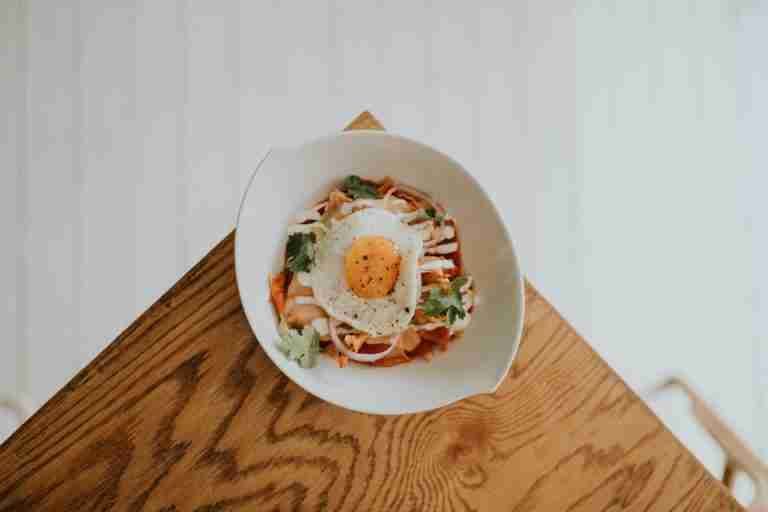
- Breakfast Boost: Add a serving of yogurt or kefir to your morning routine. Top with fresh fruit and nuts for added flavor and nutrients. You could also try mixing kefir into overnight oats for a creamy, tangy twist.
- Flavorful Condiments: Use fermented condiments like kimchi or sauerkraut on sandwiches and salads to add a tangy twist. These can also be incorporated into wraps or tacos for extra zest.
- Snack Smart: Enjoy pickles or olives as a quick, probiotic-rich snack. For a more substantial option, pair them with whole-grain crackers and cheese.
- Experiment in Cooking: Incorporate miso or soy sauce into soups and stir-fries for enhanced flavor. You can also use these ingredients to create marinades for meats or vegetables, adding a savory depth to grilled or roasted dishes.
It's important to note that while fermented foods are beneficial, moderation is key. Start with small portions to gauge how your body responds, especially if you're new to probiotics. Pay attention to how different types of fermented foods affect your digestive system and adjust your intake accordingly.
The Final Takeaway: Transform Your Kitchen and Your Health Today
Fermented foods are not just a passing fad; they're a timeless addition to any kitchen that offers both flavor and health benefits. By embracing these foods, you can support your gut health, enjoy diverse flavors, and contribute to sustainable practices.
Today, why not take the first step in transforming your kitchen? Pick up a jar of sauerkraut or try your hand at making homemade kimchi. Your taste buds and your health will thank you.