Why Ginger Tea Became My Go-To for Cold Season Sniffles
As the temperature drops and the cold season looms, many find themselves reaching for remedies to stave off those inevitable sniffles and coughs. It's no secret that ginger tea has surged in popularity as a go-to solutio
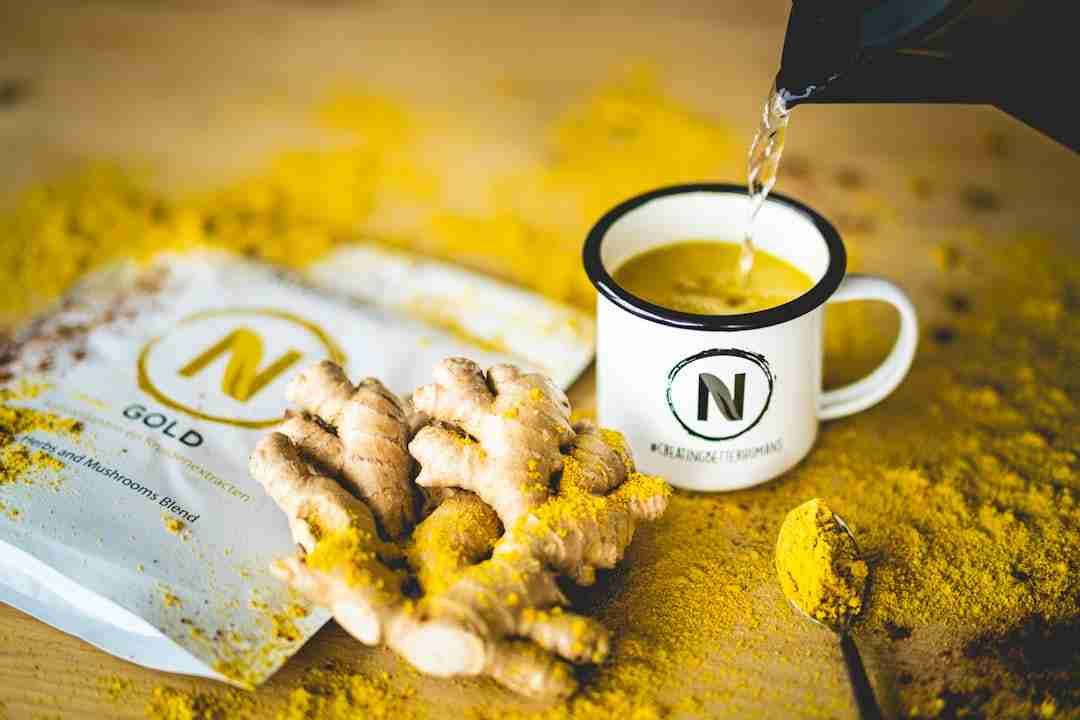
As the temperature drops and the cold season looms, many find themselves reaching for remedies to stave off those inevitable sniffles and coughs. It's no secret that ginger tea has surged in popularity as a go-to solution for such ailments. But why has this simple brew become a staple in so many households? The answer lies not only in its rich history but also in its powerful properties and practical benefits that are backed by science and tradition alike.
The Ancient and Proven Power of Ginger
Ginger, a root that has been cultivated for thousands of years, is celebrated for its medicinal properties. Historical records indicate its use in ancient China and India, where it was revered for its ability to treat a range of ailments from nausea to inflammation. Fast forward to modern times, and research highlights ginger's active compounds, such as gingerol, which possess antioxidant and anti-inflammatory effects. These properties make ginger an effective tool against the common cold.
Incorporating ginger into your diet can help bolster the immune system, potentially reducing the severity and duration of cold symptoms. A study published in the "Journal of Ethnopharmacology" found that ginger effectively modulates immune responses, providing a natural boost that can be particularly beneficial during the cold season. This scientific backing, coupled with a long-standing tradition, makes ginger tea a logical choice for many seeking relief from cold-related discomforts.
To understand the extent of ginger's benefits, consider its role in traditional medicine, where it is often combined with other herbs to create potent remedies. For example, in Ayurveda, ginger is paired with turmeric to enhance its anti-inflammatory effects, while in traditional Chinese medicine, it is used with licorice root to soothe the throat and support lung health. These examples highlight the versatility of ginger and its integration into different healing systems over centuries.
How Ginger Tea Soothes a Sore Throat
Anyone who has experienced the scratchy, uncomfortable sensation of a sore throat knows how debilitating it can be. Ginger tea offers a soothing remedy. The warmth of the tea can help alleviate throat pain, while ginger's anti-inflammatory properties work to reduce swelling and irritation.
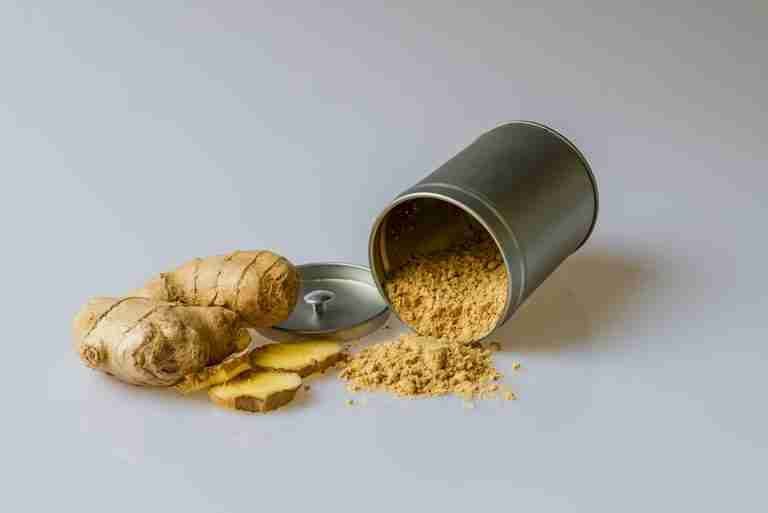
Brewing a cup of ginger tea is straightforward. Simply slice fresh ginger root into thin pieces, steep it in boiling water for 10-15 minutes, and add honey and lemon to taste. These additional ingredients not only enhance the flavor but also bring their own health benefits. Honey is known for its antimicrobial properties, while lemon provides a dose of vitamin C, further fortifying the immune system.
For those seeking added relief, consider adding a pinch of cayenne pepper to the mix. This spice, known for its capsaicin content, can stimulate circulation and help clear nasal passages, offering an added layer of comfort. Whether you are dealing with a mild irritation or a persistent sore throat, the combination of ginger, honey, lemon, and cayenne can provide a multifaceted approach to soothing your symptoms.
The Digestive Benefits During Illness
Colds and flu often come with digestive disturbances. Ginger tea, however, can provide much-needed relief. Known for its carminative properties, ginger helps to relieve bloating and gas, promoting smoother digestion. Additionally, ginger has been shown to reduce nausea, which can be a common symptom during illness.
In fact, a study published in "Phytotherapy Research" demonstrated that ginger is highly effective in reducing nausea and vomiting, especially in cases of morning sickness and postoperative nausea. This same efficacy can be applied to nausea experienced during a cold. By sipping ginger tea, you can not only ease your digestive woes but also enjoy a calming, warming beverage that aids in overall recovery.
To maximize these digestive benefits, consider incorporating ginger into meals when feeling under the weather. Grated ginger can be added to soups, stews, and stir-fries to enhance both flavor and digestion. Its ability to stimulate digestive enzymes can be particularly helpful in maintaining appetite and ensuring proper nutrient absorption when your body needs it most.
A Natural Decongestant and Cough Suppressant
Another compelling reason ginger tea has become a favorite during cold season is its natural decongestant properties. The compounds in ginger help to break down mucus, making it easier to expel and clear the respiratory tract. This is particularly beneficial for those suffering from congestion and a persistent cough.
Ginger's ability to thin mucus and reduce coughing is supported by research. A study in "Pulmonary Pharmacology & Therapeutics" found that ginger compounds can relax the muscles in the airways, further aiding in easier breathing. By drinking ginger tea, you not only enjoy warmth and comfort but also benefit from its cough-suppressing capabilities.
For additional effectiveness, combining ginger with other natural decongestants can enhance its benefits. Eucalyptus oil, for example, can be inhaled alongside the steam from your ginger tea to further open airways and ease breathing. This dual approach can be particularly useful during the night when congestion often worsens, disrupting sleep.
Making Ginger Tea Part of Your Routine
Incorporating ginger tea into your daily routine can be simple and rewarding. Many find that starting or ending the day with a cup of ginger tea helps maintain a sense of balance and well-being. For those new to ginger tea, it's recommended to start with a mild brew, gradually increasing the strength to suit personal taste preferences.
For convenience, consider keeping a stock of fresh ginger root in the kitchen. It can be stored in the refrigerator for up to 3 weeks or frozen for longer shelf life. Alternatively, ginger tea bags offer a quick and easy option for those short on time. Brands like Traditional Medicinals provide high-quality, organic ginger tea options.
If you travel frequently or have a busy lifestyle, consider preparing ginger tea in a thermos to enjoy throughout the day. This not only saves time but ensures you have access to its warming benefits wherever you go. For an added twist, infuse your thermos with a few slices of fresh fruit or a sprig of mint to create a more refreshing, hydrating beverage.
Enhancing the Experience with Spices and Herbs
To enhance the benefits and flavor profile of ginger tea, consider adding complementary spices and herbs. Cinnamon, for instance, is known for its antimicrobial properties and can add a warming, sweet note to your tea. Cloves and cardamom can also be included for their aromatic and health-boosting qualities.
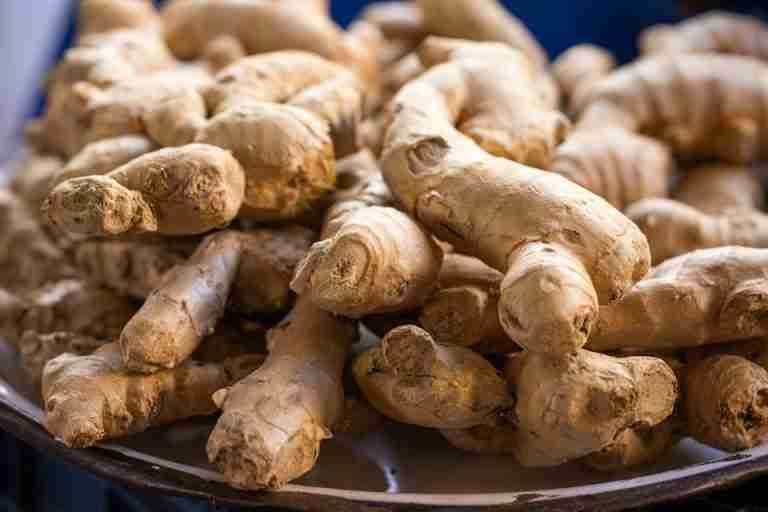
Creating a custom blend is not only enjoyable but also allows you to tailor the tea to your specific needs. For example, adding turmeric can amplify the anti-inflammatory effects, while mint leaves might offer an additional cooling sensation and aid digestion. Experimenting with these combinations can lead to a personalized remedy that's both effective and delightful.
For those interested in exploring traditional recipes, consider researching Ayurvedic or Chinese herbal tea blends that include ginger. These age-old formulas often incorporate a variety of herbs and spices that work synergistically, offering a holistic approach to wellness during the cold season.
Cost-Effectiveness and Accessibility
Ginger tea is not only beneficial but also cost-effective. Fresh ginger is relatively inexpensive and widely available, making it an accessible option for most. A small piece of ginger root can produce multiple cups of tea, offering more value compared to many over-the-counter cold medications.
For those who prefer a ready-made option, ginger tea bags are available in most grocery stores and online. Brands such as Yogi Tea offer affordable options that maintain the integrity and potency of ginger's natural benefits. This accessibility ensures that everyone can take advantage of ginger tea's health-promoting properties without breaking the bank.
For an even more economical approach, consider growing your own ginger at home. Ginger plants are relatively easy to cultivate in pots or gardens and can provide a continuous supply of fresh ginger root. This DIY method not only reduces costs further but also ensures a consistent supply of high-quality ginger.
Practical Tips for Maximizing Benefits
To get the most out of ginger tea, consider these practical tips:
-
Consistency is Key: Regularly consuming ginger tea can help maintain its health benefits. Aim for at least one cup a day during the cold season.
-
Quality Matters: Use fresh, organic ginger whenever possible to ensure maximum potency and flavor.
-
Mind the Temperature: Allow the tea to cool slightly before drinking. Extremely hot beverages can irritate the throat.
-
Combine with Rest: While ginger tea offers powerful benefits, pairing it with adequate rest and hydration will enhance recovery.
-
Listen to Your Body: Pay attention to how your body responds and adjust the strength and frequency of your ginger tea consumption accordingly.
-
Incorporate Into Meals: Use ginger not only in tea but also in cooking to enjoy its benefits throughout the day.
A Final Thought for the Cold Season
As you prepare for the inevitable wave of colds and sniffles, consider ginger tea as a reliable ally. Its myriad of health benefits, from soothing sore throats to aiding digestion and reducing coughs, makes it a versatile and effective remedy. By incorporating ginger tea into your routine, you can naturally support your immune system and navigate the cold season with greater ease and comfort.
Taking action today could be as simple as heading to the nearest grocery store, picking up a fresh ginger root, and brewing that first soothing cup. With ginger tea on your side, you'll be better equipped to face the chill and keep those sniffles at bay.