Why Late-Night Snacking Might Actually Be Helping You Sleep
Picture this: it's late at night, the world around is silent, and yet sleep feels elusive. A grumbling stomach adds to the restlessness, urging a trip to the kitchen. While many believe late-night snacking is a dietary f

Picture this: it's late at night, the world around is silent, and yet sleep feels elusive. A grumbling stomach adds to the restlessness, urging a trip to the kitchen. While many believe late-night snacking is a dietary faux pas, there's an intriguing perspective that it might actually be a secret ally in achieving restful sleep. This isn't about indulging in unhealthy habits but understanding how the right snack can send one into a peaceful slumber.
The Role of Blood Sugar in Sleep Quality
Balancing blood sugar is crucial for sleep, yet it's often overlooked. When blood sugar levels drop too low during the night, it can trigger the release of stress hormones like cortisol and adrenaline. These hormones can wake someone up, leaving them tossing and turning. Consuming a small, balanced snack before bed might help maintain stable blood sugar levels, reducing the chances of waking up in the middle of the night.
Consider a snack that combines protein and carbohydrates. Something like a small banana with almond butter can be effective. The carbohydrates provide a quick release of energy, preventing blood sugar from dropping too low, while the protein offers sustained energy. This combination can help one stay asleep longer and enjoy more restorative sleep. Other options might include a slice of whole-grain toast with peanut butter or a handful of trail mix with nuts and dried fruits. These snacks are not only easy to prepare but also provide the necessary nutrients to keep blood sugar levels in check.
Tryptophan and Serotonin: A Sleep-Inducing Duo
Tryptophan is an amino acid that becomes serotonin in the brain, a neurotransmitter that promotes relaxation. From there, serotonin converts into melatonin, the hormone responsible for regulating sleep-wake cycles. Consuming foods high in tryptophan before bed can facilitate this conversion process, potentially improving sleep quality.
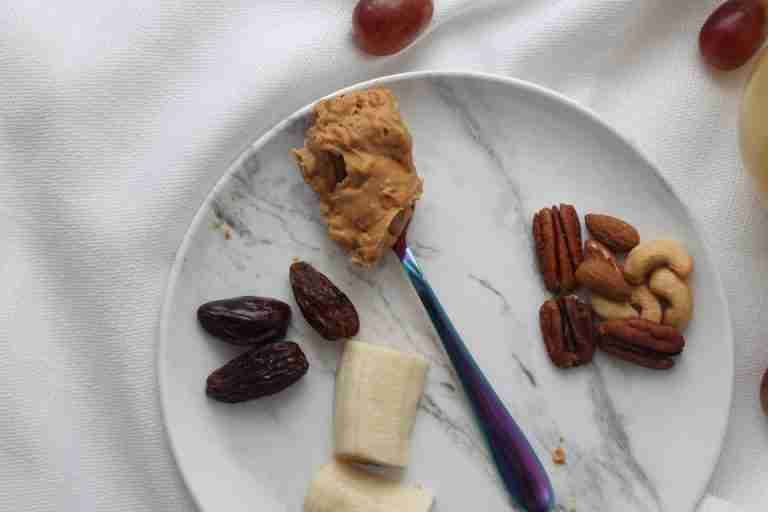
Foods like turkey, nuts, seeds, and cheese are rich in tryptophan. A small snack of cheese and whole-grain crackers could be an effective way to introduce tryptophan into the system. It's not just an old wives’ tale that turkey makes people sleepy—there's science to back it up. For those who are plant-based, options such as hummus with whole-grain pita or a small bowl of oatmeal topped with walnuts can also offer a good dose of tryptophan, helping to unwind after a long day.
The Impact of Magnesium and Calcium on Sleep
Minerals like magnesium and calcium play a significant role in sleep health. Magnesium helps deactivate adrenaline, calming the nervous system, while calcium aids in the production of melatonin. Both minerals can be found in common bedtime snacks and are essential for a restful night.
A snack of yogurt topped with almonds is a great choice. Yogurt contains calcium, while almonds offer magnesium. This simple combination can help relax muscles and calm the mind, paving the way to better sleep. Plus, it's a delicious way to end the day. Some might prefer a warm glass of milk, which is rich in both calcium and tryptophan, accompanied by a small whole grain cookie to satisfy the sweet tooth without compromising sleep quality.
Timing Is Everything: When to Snack for Optimal Sleep
The timing of a late-night snack can influence its effectiveness. Eating too close to bedtime might cause discomfort, while snacking too early might not provide the desired benefits. Experts suggest consuming a light snack about 30 minutes to an hour before bed. This allows the body enough time to digest while still reaping the benefits of the nutrients.
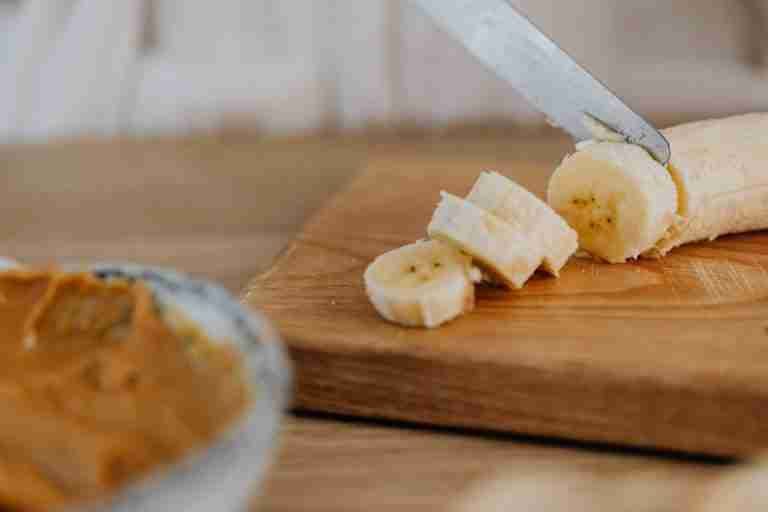
The key is to keep the snack light and balanced. Overeating can lead to indigestion, counteracting the positive effects. A small portion is sufficient to keep hunger at bay and stabilize blood sugar levels, setting the stage for restful sleep. It's worth experimenting with timing to find what works best for your body, as individual digestion rates can vary.
The Role of Herbal Teas in Enhancing Sleep
Herbal teas, such as chamomile or valerian root, can complement a late-night snack routine. These teas contain properties known for their calming effects, which can enhance the body's ability to relax and prepare for sleep. Chamomile, for instance, contains apigenin, an antioxidant that binds to receptors in the brain, potentially promoting sleepiness.
Pairing a light snack with a warm cup of herbal tea can be a soothing ritual. The warmth of the tea combined with calming herbs can signal the body that it's time to wind down. It's a simple yet effective way to enhance the quality of sleep. For those with a preference for other flavors, teas such as lavender or lemon balm can also provide a tranquil pre-sleep experience.
Avoiding Common Snacking Pitfalls
While late-night snacking can be beneficial, it's important to avoid common pitfalls that can negate its positive effects. High-sugar or high-fat snacks can lead to disrupted sleep. These foods might lead to a spike in energy, making it harder to fall asleep. Instead, opt for snacks with a balance of nutrients that support sleep.
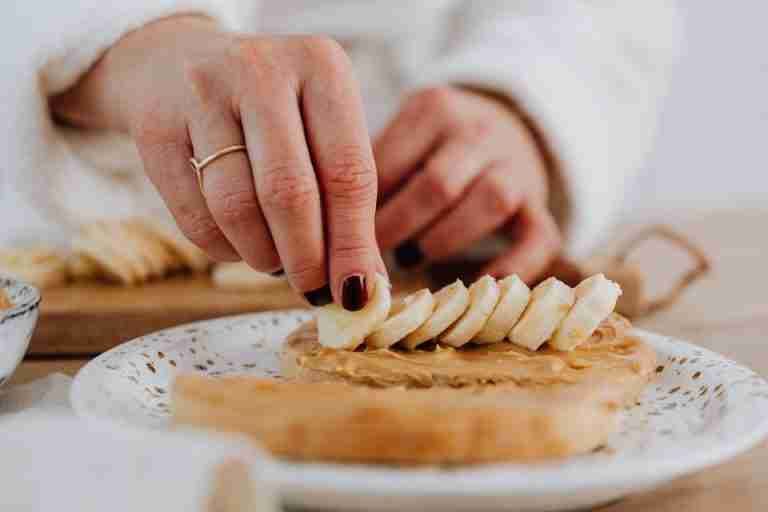
Avoid caffeine and alcohol before bed, as both can interfere with sleep patterns. Caffeine, a stimulant, can keep one awake, while alcohol might disrupt the later stages of sleep. Instead, focus on snacks that are easy to digest and contain sleep-promoting nutrients, ensuring a sound sleep. Reading labels can be helpful to identify hidden sugars or caffeine in unexpected places, such as chocolate or certain flavored beverages.
Personalized Approaches Based on Sleep Needs
Everyone's sleep needs are different, and finding the right late-night snack might require some experimentation. Some might find a small carbohydrate-rich snack works best, while others may benefit from a protein-rich option. It's about finding what aligns with one's body and sleep cycle.
Consider keeping a sleep journal to track the effects of different snacks on sleep quality. Note what was eaten, when it was consumed, and how the sleep was that night. Over time, patterns may emerge, helping to tailor a snacking routine that best supports sleep. This personalized approach can also take into account any food sensitivities or preferences, leading to a more enjoyable and effective sleep strategy.
Practical Steps to Apply Tonight
To start harnessing the benefits of late-night snacking for better sleep, consider the following steps. First, choose a snack that's small and balanced, focusing on carbohydrates and protein. Second, prepare the snack about 30 minutes to an hour before bedtime. Third, pair it with a calming herbal tea if desired. Finally, track the effects on sleep quality to refine the approach over time.
For those looking to enhance their sleep environment, consider tools like Sleep Cycle or Calm to improve overall sleep hygiene. These resources offer insights and practices that can be combined with late-night snacking for a holistic approach to better sleep. Exploring relaxation techniques such as meditation or gentle yoga alongside snacking can further support a transition into a restful night.
The reality is, late-night snacking doesn't have to be a guilty pleasure. With the right choices, it can become a functional part of a healthy sleep routine. By understanding the body's needs and experimenting with different snacks, one can discover how a simple late-night indulgence might just be the key to unlocking a deeper, more restorative sleep.