Why Sitting Cross-Legged Might Be Affecting Your Circulation
Sitting cross-legged might feel comfortable or even natural, but there's a hidden cost to this seemingly innocuous habit. Imagine sitting at your desk, legs crossed for hours, only to stand up and feel a familiar tinglin

Sitting cross-legged might feel comfortable or even natural, but there's a hidden cost to this seemingly innocuous habit. Imagine sitting at your desk, legs crossed for hours, only to stand up and feel a familiar tingling sensation. This isn't just discomfort—it's your body's way of signaling a circulation issue. Many overlook how this casual posture can impact blood flow, potentially leading to more serious health concerns. Understanding the implications of this habit is essential for maintaining good circulation health and overall well-being.
How Sitting Cross-Legged Affects Blood Flow
Sitting with legs crossed can temporarily restrict blood flow. This happens because crossing legs can compress blood vessels in the legs, particularly the popliteal vein located behind the knee. This compression can slow down circulation, leading to a decrease in the amount of blood returning to the heart. Over time, this can contribute to issues like varicose veins and deep vein thrombosis (DVT).
A study published in the Journal of Vascular Surgery found that sitting cross-legged for long periods can increase the pressure in the veins of the legs by up to 20%. This increased pressure may damage the vein walls and valves, making them less effective at controlling blood flow. It's a reminder that even small, repetitive actions can have significant long-term effects on circulation health.
Practical Tip: To help mitigate these risks, consider alternating your sitting positions frequently. If you notice discomfort or tingling, it's a cue to uncross your legs and readjust your seating posture. This simple adjustment can help maintain healthier blood flow.
The Link Between Cross-Legged Sitting and Varicose Veins
Varicose veins are more than just a cosmetic concern; they're a sign of poor circulation. They occur when veins become enlarged and twisted, often due to prolonged periods of increased pressure. Sitting cross-legged can exacerbate this issue. According to the American Vein & Lymphatic Society, repeated compression of leg veins can weaken the vein walls and valves over time, potentially leading to varicose veins.
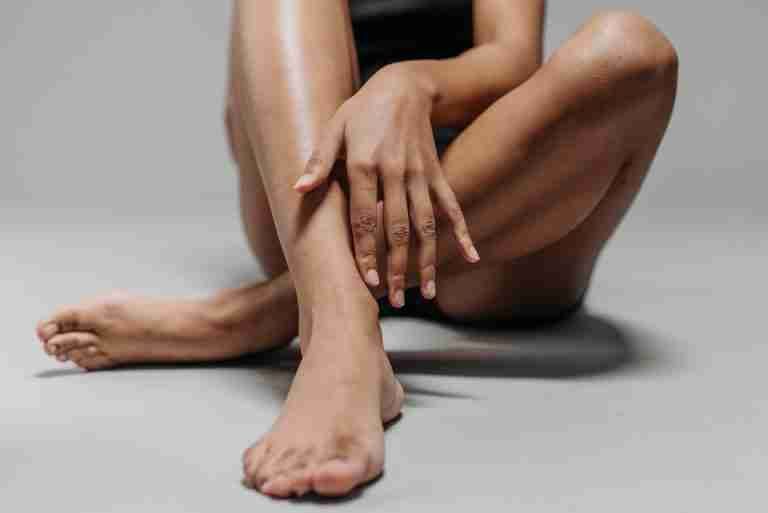
For those already predisposed to varicose veins due to genetics or occupation, sitting cross-legged frequently can accelerate their development. The good news is that by adopting healthier sitting habits, one can reduce the risk. Opting for a more neutral sitting posture with feet flat on the floor can help maintain better circulation and prevent the onset of these unsightly, and sometimes painful, veins.
Practical Advice: Elevate your legs periodically throughout the day to promote blood flow back to the heart. You can do this by placing your feet on a footrest or a stack of books. This practice can help relieve vein pressure and support overall leg health.
Nerve Compression and Its Consequences
It's not just veins that suffer from prolonged cross-legged sitting. Nerves can also be compressed, leading to numbness and tingling—a condition known as paresthesia. This occurs because crossing the legs can press on the peroneal nerve, which runs along the outside of the knee and down the leg. Consistent compression of this nerve can lead to a temporary loss of sensation or even pain.
A practical way to alleviate nerve compression is to ensure regular movement throughout the day. Experts recommend standing up or changing positions every 30 minutes to keep blood flowing and avoid putting prolonged pressure on nerves. For those tied to a desk, using a timer or app to remind you to take these mini-breaks can be a helpful strategy.
Example of Regular Movement: Set an alarm that encourages you to stand and stretch or take a short walk. Walking to refill your water bottle or stepping outside for a quick breath of fresh air are simple methods to incorporate movement into your routine.
The Role of Ergonomics in Circulation Health
Ergonomics plays a significant role in promoting good circulation. An ergonomic workspace isn't just about comfort—it's about maintaining health. A chair with adjustable height, a desk at the proper level, and a supportive backrest can encourage a more natural sitting position. This setup helps keep feet flat on the floor, reducing the temptation to cross legs and compress blood vessels.

Consider investing in an ergonomic chair like the Herman Miller Aeron that supports proper posture. Additionally, using a footrest can help keep your lower body aligned, which is key for maintaining optimal circulation.
Practical Ergonomic Setup: Arrange your workspace so that your computer screen is at eye level and your elbows are at a 90-degree angle when typing. This alignment can help prevent slouching and reduce the strain on your circulatory and nervous systems.
Exercise: A Key Component to Combat Poor Circulation
There’s no substitute for regular exercise when it comes to boosting circulation. Physical activity encourages blood flow, strengthens the cardiovascular system, and helps prevent the development of circulation-related issues like varicose veins and DVT. Incorporating exercises that target the legs, such as walking, cycling, or swimming, can be particularly beneficial.
The Centers for Disease Control and Prevention (CDC) recommends at least 150 minutes of moderate aerobic activity per week. It might seem daunting, but it breaks down to just 30 minutes a day, five times a week. Whether it's a brisk walk during lunch or a cycling session at the gym, these activities can significantly enhance circulation health.
Practical Exercise Tip: If time is limited, try breaking up exercise into smaller segments. For example, take three 10-minute walks throughout the day or perform quick sets of squats or lunges during breaks. These short bursts of activity can still contribute meaningfully to your overall circulation health.
The Impact of Hydration on Circulation
Hydration is often overlooked in discussions about circulation health, yet it plays a crucial role. Proper hydration helps maintain the volume of blood and ensures it flows smoothly through the veins and arteries. Dehydration can lead to thicker blood, making it harder for the heart to pump, which can exacerbate circulation issues.
Aim to drink at least eight 8-ounce glasses of water a day, more if you're active or live in a hot climate. Keeping a water bottle handy can serve as a constant reminder to stay hydrated throughout the day. Consider using a smart water bottle like the HidrateSpark that tracks your intake and reminds you to drink more.
Hydration Strategy: Infuse your water with slices of citrus fruits or herbs like mint to enhance flavor and encourage more frequent drinking. This not only makes hydration more enjoyable but also adds a refreshing twist to your daily routine.
Simple Stretching Routines to Improve Circulation
Stretching isn't just for athletes; it's a simple yet effective way to enhance circulation, especially for those who sit for long periods. Regular stretching helps keep muscles flexible and blood vessels unobstructed, promoting better blood flow and reducing the risk of circulatory issues.
Incorporate stretches that target the legs and lower body, such as calf stretches, hamstring stretches, and seated leg lifts. These can be done at your desk or during breaks. The key is consistency—aim for a short stretching routine every couple of hours. Not only will this improve circulation, but it will also help alleviate stiffness and improve overall comfort.
Practical Stretching Routine: Consider setting aside a few minutes each hour to perform a series of stretches. Start with seated ankle circles, then move to standing calf raises, and finish with forward bends to stretch the hamstrings. This routine can be easily integrated into your day without requiring much space or equipment.
Immediate Changes You Can Implement Today
Understanding the impact of sitting habits is just the first step. Applying this knowledge can lead to tangible improvements in circulation health. Start by adjusting your sitting posture—keep feet flat on the floor and avoid crossing legs for prolonged periods.
Invest in ergonomic furniture and take regular breaks to stand and move around. Stay hydrated and engage in regular physical activity. Incorporate stretching into your daily routine to keep muscles and blood vessels in top condition. These changes might seem small, but collectively, they can make a significant difference in your circulation health.
Immediate Action Plan: Create a checklist of daily habits that promote good circulation. Include reminders to sit properly, hydrate regularly, and exercise. By monitoring and adhering to this list, you can progressively adopt healthier practices that benefit your circulatory system.
Addressing these habits today can help prevent more serious issues down the line and contribute to better overall well-being. The time to take action is now—your circulation health will thank you.