Soothing Sore Joints with Kitchen Spices: A Simple Approach
Joint pain can be a debilitating issue, affecting everything from daily activities to overall quality of life. Yet, relief might be closer than you think. Consider your spice rack, a treasure trove of potential remedies
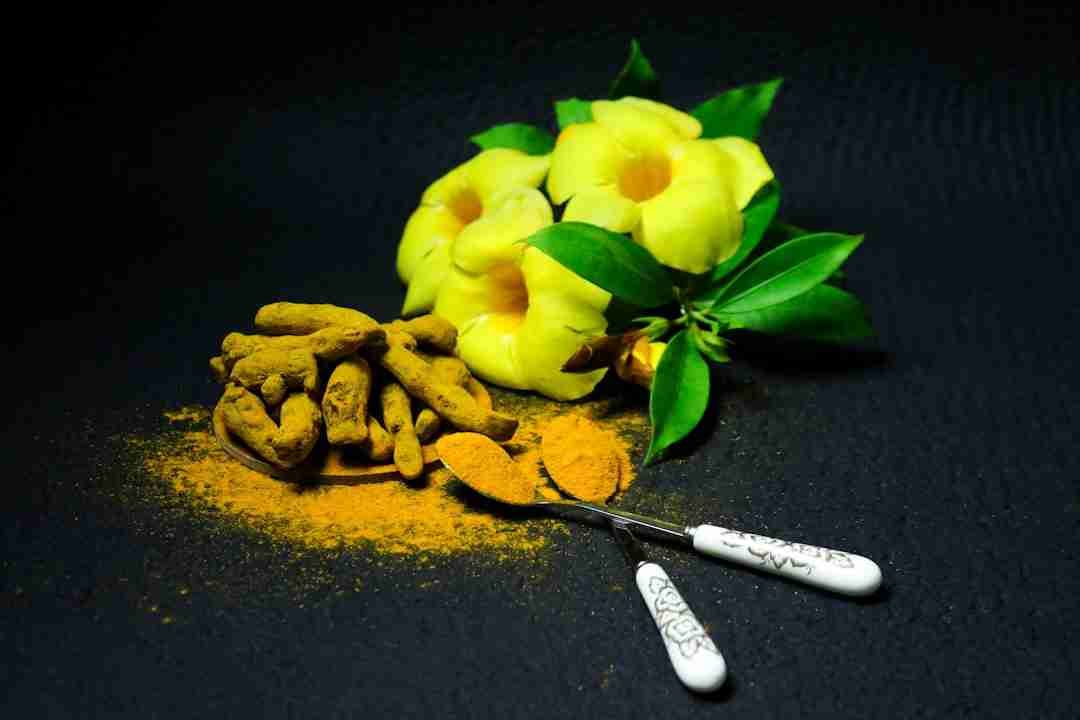
Joint pain can be a debilitating issue, affecting everything from daily activities to overall quality of life. Yet, relief might be closer than you think. Consider your spice rack, a treasure trove of potential remedies waiting to be explored. Many find that certain kitchen spices hold the power to soothe sore joints naturally, without the need for over-the-counter medications. This is more than just folklore; there's science to back it up.
Turmeric: The Golden Healer with Curcumin
Turmeric is perhaps the most well-known spice for its anti-inflammatory properties, primarily due to its active compound, curcumin. Research shows that curcumin can rival some anti-inflammatory drugs without the side effects. A study in the journal Phytotherapy Research found that patients with knee osteoarthritis who consumed 1,500 mg of curcumin daily experienced similar pain relief to those taking 1,200 mg of ibuprofen.
Here's the thing: curcumin is not easily absorbed by the body on its own. To enhance its absorption, pair turmeric with black pepper. The piperine in black pepper increases curcumin absorption by 2,000%. You can incorporate turmeric into your diet by adding it to soups, smoothies, or even tea. For those seeking a more potent solution, Curcumin supplements are available, often already combined with piperine.
To make turmeric tea, simply boil water and add a teaspoon of turmeric powder. Enhance the flavor with a dash of black pepper and a squeeze of lemon. This warm beverage not only provides comfort but also harnesses the full potential of turmeric's healing properties.
Ginger: A Zing of Relief
Ginger is another spice that offers significant anti-inflammatory benefits. A study published in Arthritis & Rheumatism found that ginger extract reduced pain and stiffness in knee joints by 40% over placebo. The secret lies in its active components, gingerols and shogaols, which help block inflammatory pathways.

Incorporating ginger into your daily routine is simple. Fresh ginger can be grated into dishes or steeped in hot water to make a soothing tea. For a more concentrated intake, ginger supplements are an option. Keep in mind that high doses might cause heartburn or stomach discomfort, so moderation is key.
For a refreshing twist, try adding ginger to a homemade salad dressing. Combine freshly grated ginger with olive oil, lemon juice, and honey for a zesty, anti-inflammatory dressing that pairs well with leafy greens.
Cinnamon: More Than Just a Sweet Spice
Cinnamon is often associated with desserts, but it's also a potent anti-inflammatory agent. Its component, cinnamaldehyde, is known to inhibit the release of inflammatory agents in the body. A study in the Journal of Medicinal Food showed that cinnamon could reduce cytokine levels, which are linked to inflammation.
To harness cinnamon's benefits, sprinkle it onto your oatmeal, mix it into your coffee, or add it to savory dishes like curries and stews. For those who enjoy a sweet treat, cinnamon can enhance the flavor without the need for extra sugar, thus helping maintain a healthy weight—an important factor in managing joint pain.
Cinnamon can also be used to create a warming foot soak. Add a few cinnamon sticks to a basin of hot water and let your feet absorb the soothing properties. This can be particularly comforting after a long day on your feet.
Cloves: Tiny Spices with Big Impact
Cloves might be small, but they pack a punch when it comes to soothing joint pain. They contain eugenol, a compound with anti-inflammatory and analgesic properties. Research published in Food Science & Nutrition indicates that eugenol can significantly reduce inflammatory markers in the body.
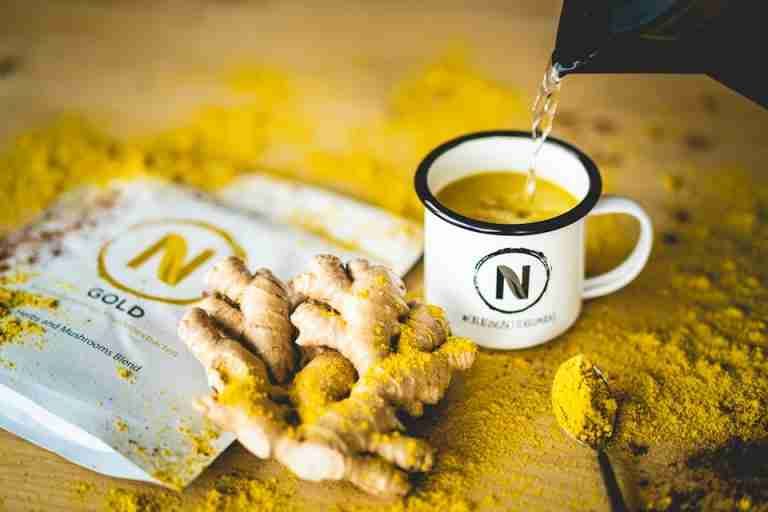
You can use whole cloves in cooking or ground cloves in baking. Clove oil, when diluted with a carrier oil, can be applied topically to painful joints for direct relief. It's always wise to perform a patch test first to ensure no skin irritation occurs.
For a soothing clove-infused oil, simmer cloves in olive oil over low heat for about an hour. Once cooled and strained, this oil can be gently massaged into sore joints, providing much-needed relief.
Cayenne Pepper: Heat for Healing
Cayenne pepper contains capsaicin, a compound well-known for its pain-relieving properties. Capsaicin works by depleting substance P, a chemical that transmits pain signals to the brain. A clinical trial in the British Journal of Anaesthesia found that topical application of capsaicin cream reduced joint pain in osteoarthritis patients.
For dietary use, cayenne pepper can be added to sauces, soups, and stews. If you're daring enough, try it in a hot chocolate for a spicy kick. Topical creams containing capsaicin are available over-the-counter and can be applied directly to sore areas for targeted relief.
For a DIY approach, mix cayenne pepper with coconut oil to create a homemade topical balm. Apply it to painful joints, but be careful to wash your hands thoroughly afterward to avoid irritation to sensitive areas.
Rosemary: Aromatic Relief
Rosemary isn't just a flavorful herb—it's also a natural anti-inflammatory agent. The compound rosmarinic acid is known for reducing inflammation and improving circulation. Studies have shown that rosemary can inhibit the production of inflammatory mediators and alleviate pain.
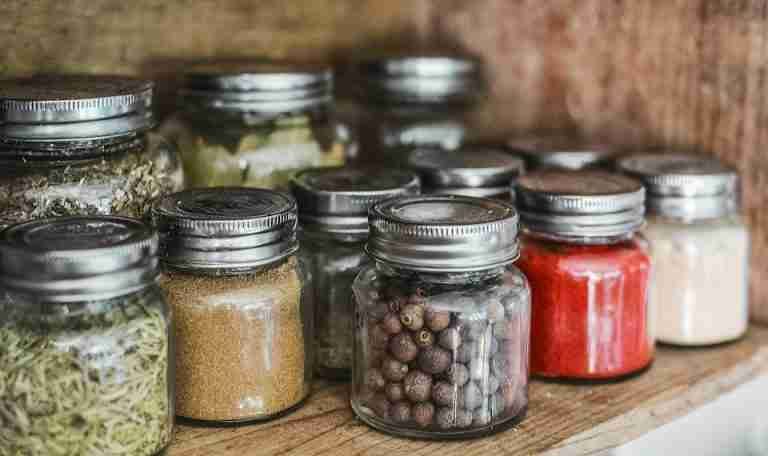
Incorporating rosemary into your diet is straightforward. Use fresh or dried rosemary in roasting meats and vegetables, or steep it in hot water for a fragrant tea. Rosemary essential oil can also be used in aromatherapy or diluted for topical use on sore joints.
For an invigorating bath, add a few sprigs of fresh rosemary to your bathwater. The aromatic steam can help relax muscles and ease joint pain, providing a spa-like experience in the comfort of your home.
Practical Tips: Making Spices Part of Your Routine
Integrating these spices into your daily routine doesn't have to be complicated. Start by experimenting with one or two spices that appeal to you. Here are some practical tips:
- Meal Planning: Consider recipes that naturally incorporate these spices. Curries, soups, and stews are excellent options. Try a turmeric-infused curry or a ginger-spiced soup for a comforting meal that supports joint health.
- Beverages: Spice up your drinks—try turmeric or ginger tea, or add cinnamon to your morning coffee. A cinnamon-infused hot chocolate can be a delicious way to indulge while supporting your joints.
- Supplements: If you're looking for a more concentrated form, consider trusted supplements. Always check for quality and consult with a healthcare provider if needed. Doing so ensures that you're getting the right dosage and formulation for your needs.
- Topical Applications: For immediate relief, try topical solutions like clove oil or capsaicin cream. A gentle massage with these can help alleviate discomfort and improve circulation.
Consult with Care: When to Seek Professional Guidance
While these natural remedies can offer relief, they're not substitutes for professional medical advice. If joint pain persists or worsens, it's important to consult with a healthcare provider. They can offer a comprehensive treatment plan and determine if there's an underlying condition that requires attention. Consulting a professional ensures that you're addressing all aspects of joint health and not overlooking any serious conditions.
Conclusion: Start Today for Smoother Tomorrow
So, why not start today? Explore your kitchen, and you'll find a host of spices that can help ease joint pain. Whether it's through dietary changes or topical applications, these natural remedies provide a simple, effective way to manage discomfort. And while they may not replace medical treatments, they certainly can complement them, offering a more holistic approach to health. Try incorporating one or two spices into your routine, and see how they work for you. Relief could be just a sprinkle away.