Why Skipping Lunch Could Be Sabotaging Your Health Goals
Skipping lunch might seem like a harmless way to cut a few calories or save some time during a hectic day. After all, breakfast is often touted as the most important meal, and dinner tends to be the main event. But here'

Skipping lunch might seem like a harmless way to cut a few calories or save some time during a hectic day. After all, breakfast is often touted as the most important meal, and dinner tends to be the main event. But here's the thing: skipping lunch could be quietly sabotaging your health goals in ways you might not expect. Whether you're aiming to lose weight, maintain energy levels, or simply perform at your best throughout the day, lunch plays a crucial role. Let's explore why this midday meal is so important and how avoiding it can backfire.
Blood Sugar Roller Coaster: The Impact of Missing Lunch
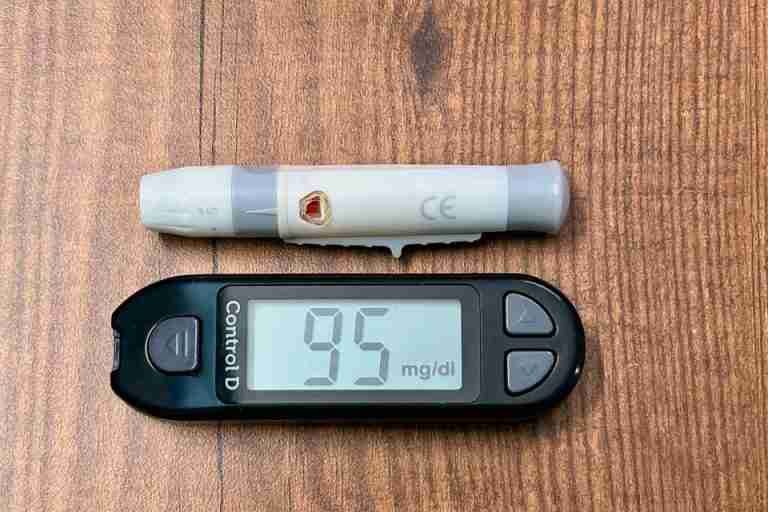
When lunchtime rolls around and the stomach starts to rumble, it's a signal that the body's blood sugar levels are dropping. Eating lunch helps stabilize these levels, providing a consistent energy source. However, skipping this meal can lead to a sharp decline in blood sugar, resulting in irritability, fatigue, and difficulty concentrating. For individuals working in demanding environments or managing complex tasks, this can significantly hinder productivity.
Research indicates that skipping meals can lead to more significant blood sugar spikes and crashes throughout the day. This fluctuation not only affects mood and focus but also increases cravings for unhealthy snacks later in the day. Maintaining stable blood sugar is key for anyone trying to adhere to health goals, whether they're related to weight management or overall wellness.
To mitigate these effects, consider including complex carbohydrates in your lunch, such as whole grains, legumes, or starchy vegetables. These foods provide a slow release of glucose into the bloodstream, helping to maintain steady energy levels and prevent those dreaded afternoon slumps. Pairing carbs with a healthy fat source, like avocado or nuts, can further support blood sugar stability.
The Weight Loss Paradox: Why Skipping Lunch Can Lead to Weight Gain
It might seem counterintuitive, but skipping lunch can actually lead to weight gain rather than weight loss. A common misconception is that eating fewer meals will reduce calorie intake, but the reality is more complex. Skipping lunch often leads to overeating during subsequent meals or snacking on high-calorie, nutrient-poor foods to compensate for the hunger.

A study published in the journal Obesity found that individuals who skipped meals were more likely to develop abdominal fat and insulin resistance, both of which are linked to metabolic diseases. Regular, balanced meals can help control appetite and prevent the overconsumption of calories later in the day. Incorporating a nutritious lunch can be a strategic move in managing weight effectively.
To avoid the pitfalls of skipping lunch, focus on portion control and mindful eating. Pay attention to hunger cues and try to eat until satisfied, not stuffed. Including a variety of food groups in your lunch can also help, as it provides a range of nutrients that support satiety and prevent cravings later on.
Muscle Maintenance: The Importance of Protein at Lunch
Consuming adequate protein throughout the day is vital for muscle maintenance and overall health. Lunch provides an opportunity to distribute protein intake, supporting muscle repair and growth. For those engaged in regular physical activity, ensuring enough protein is especially critical.
Skipping lunch can result in insufficient protein consumption, which may hinder muscle recovery and growth. A practical approach is to include a source of lean protein in the midday meal, such as chicken, fish, beans, or tofu. This not only supports muscle health but also contributes to feeling fuller for longer, reducing the temptation to snack excessively.
For vegetarians and vegans, combining plant-based proteins like lentils, chickpeas, quinoa, and nuts can create a complete amino acid profile. This ensures that the body receives all the essential building blocks needed for muscle repair and growth.
Cognitive Performance: Fueling Your Brain with a Midday Meal
The brain requires a steady supply of glucose to function optimally. Skipping lunch can deprive the brain of this critical fuel, leading to impaired cognitive performance. Tasks that require concentration, memory, and problem-solving skills can become increasingly challenging without proper nourishment.
According to a study in the American Journal of Clinical Nutrition, individuals who consumed regular meals, including lunch, performed better on cognitive tasks compared to those who skipped meals. For students, professionals, and anyone needing to stay sharp, a balanced lunch is an investment in mental acuity and productivity.
Including omega-3 fatty acids, found in foods like salmon, flaxseeds, and walnuts, in your lunch can further enhance brain function. These healthy fats are known to support brain health and improve cognitive performance, making them a smart addition to any midday meal.
Emotional Well-being: The Connection Between Meal Timing and Mood
Ever noticed feeling more irritable or anxious on days when lunch is skipped? This isn't just a coincidence. Meal timing and composition have a direct impact on mood regulation. Consuming a balanced lunch can help stabilize mood by preventing the drop in blood sugar that often leads to feelings of irritability and anxiety.
A nutritious lunch that includes complex carbohydrates, healthy fats, and proteins can promote the production of serotonin, a neurotransmitter that contributes to feelings of well-being and happiness. Thus, incorporating a proper lunch isn't just about physical health; it's also about nurturing emotional well-being.
Consider including foods rich in tryptophan, such as turkey, eggs, and cheese, as they can boost serotonin levels. Pairing these with vitamin B6-rich foods like bananas and potatoes can further enhance mood and emotional balance.
Practical Lunch Solutions: Easy and Nutritious Options
For many, the challenge isn't the desire to eat lunch but the time and effort required to prepare it. Here are some practical solutions for ensuring a nutritious lunch even on busy days:

- Meal Prep: Prepare ingredients or entire meals in advance. A weekly meal prep session can ensure that nutritious options are readily available, saving time and reducing the temptation to skip lunch.
- Portable Options: Salads in jars, whole-grain wraps, or bento boxes can be prepared the night before and easily transported to work or school.
- Tech Tools: Use apps like Mealime or Paprika to plan meals and grocery lists efficiently.
By planning ahead, it's possible to make lunch a non-negotiable part of the day, supporting overall health goals.
Hydration and Lunch: The Overlooked Connection
Hydration often goes hand-in-hand with nutrition, yet it can be overlooked when lunch is skipped. Many people mistake thirst for hunger, leading to increased consumption of snacks and sugary drinks. Ensuring adequate hydration can help maintain energy levels and prevent unnecessary calorie intake.
A simple yet effective strategy is to drink a glass of water before lunch. This not only aids digestion but also supports hydration, complementing the nutritional benefits of a well-balanced meal. For those who struggle with water intake, infusing water with fruits or herbs can make it more appealing.
Incorporating hydrating foods like cucumbers, watermelon, and oranges into your lunch can also contribute to overall fluid intake, ensuring you stay refreshed and alert throughout the day.
Action Steps for a Healthier Lunch Routine
For those looking to integrate a consistent lunch routine, here are a few actionable steps:
- Set a Reminder: Use digital tools like Google Calendar to set reminders for lunch breaks. Consistency can help establish a habit.
- Create a Lunch Menu: Rotate a few favorite recipes to keep meals interesting and balanced.
- Prioritize Quality: Focus on nutrient-dense foods that provide energy and satisfaction without excess calories.
By following these steps, incorporating a regular lunch can become a seamless part of the day, enhancing both physical and mental health.
Social and Environmental Influences: The Role of Workplace Culture
The environment in which you eat can significantly influence lunch habits. A workplace culture that encourages regular breaks and provides healthy food options can make it easier to maintain a nutritious lunch routine. Conversely, high-pressure environments where breaks are discouraged may contribute to meal-skipping.
Advocating for a supportive lunch culture at work can start with small changes. Encourage colleagues to take lunch breaks together, creating a social atmosphere that reinforces the importance of the midday meal. Employers can also contribute by providing healthy snack options in communal areas or organizing occasional lunch-and-learn sessions on nutrition.
Final Thoughts: Start Today
Skipping lunch might seem like an easy shortcut, but in reality, it can derail health goals and affect overall well-being. By understanding the importance of a balanced midday meal and taking steps to ensure it becomes a priority, you can support your body's needs and enhance your daily performance. Start today by planning tomorrow's lunch, and notice the difference it makes in energy, focus, and mood.