Why Stretching Before Bed Became My Go-To Stress Buster
After a long day of balancing work, family, and countless other responsibilities, finding a moment of peace can seem almost impossible. It's common to feel the weight of the day lingering, making it difficult to unwind a

After a long day of balancing work, family, and countless other responsibilities, finding a moment of peace can seem almost impossible. It's common to feel the weight of the day lingering, making it difficult to unwind and prepare for restful sleep. Here's where stretching before bed comes into play as an effective stress buster that aligns perfectly with mind-body wellness. This simple yet powerful practice not only aids in relaxation but also enhances overall health, offering a sanctuary of calm amidst life's chaos.
Stretching for 10 Minutes: The Science Behind Stress Relief
Stretching for just ten minutes before bed might seem too simple to be effective, yet research shows that it can significantly reduce stress levels. According to a study published in the Journal of Clinical Psychology, participants who incorporated a short stretching routine into their nightly ritual reported a noticeable decrease in stress and anxiety. This is largely due to the way stretching helps release built-up tension in the muscles, promoting relaxation and reducing the production of stress hormones like cortisol.
The act of stretching engages the parasympathetic nervous system, which helps bring the body into a state of rest and digestion. As you stretch, your heart rate slows, breathing deepens, and muscles relax, creating a tranquil state conducive to a good night's sleep. So, if stress has been your nightly companion, a consistent stretching routine might just be the antidote you've been searching for.
Moreover, stretching can improve circulation, which is essential for nutrient delivery and waste removal within the body. Enhanced circulation not only aids in muscle recovery but also supports the body's natural detoxification processes, contributing to an overall sense of well-being.
Incorporating Mindfulness: A Two-Pronged Approach
Mindfulness is a powerful tool that complements stretching, enhancing its stress-relieving benefits. By focusing on the present moment during your stretching routine, you can further calm the mind and body. Mindfulness practice encourages awareness of breath and movement, grounding you in the here and now, away from the worries of the day.
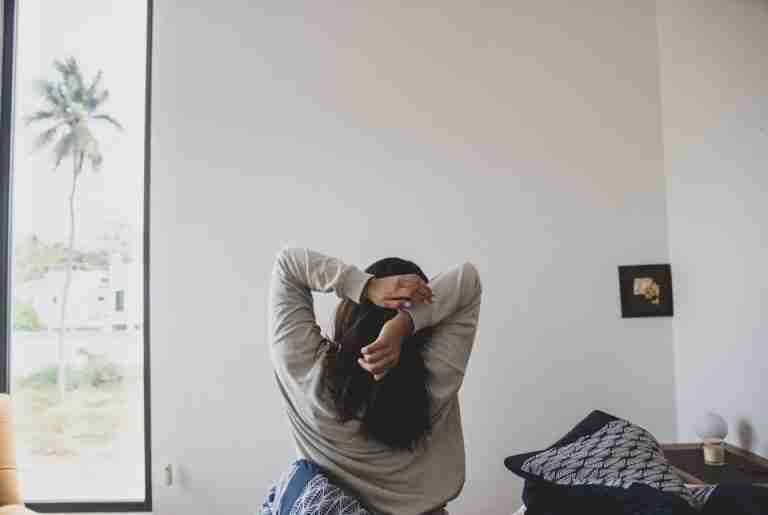
Consider this: while performing a simple forward bend, concentrate on the sensation of your muscles lengthening and your breath flowing in and out. This mindful attention not only amplifies the physical benefits of stretching but also cultivates a sense of peace and clarity. Many find that this combined approach of stretching and mindfulness significantly enhances their overall sense of wellbeing, making it an indispensable part of their nighttime routine.
For those new to mindfulness, starting with guided meditations or mindfulness apps can be helpful. These resources often offer calming audio cues that can guide you through the process, making it easier to maintain focus and achieve a state of deep relaxation.
Specific Stretches to Target Tension
Not all stretches are created equal, and some are particularly effective at targeting areas where tension often accumulates. Focusing on these key stretches can maximize stress relief and promote better sleep.
-
Neck and Shoulder Stretch: Sitting or standing, gently tilt your head to one side, bringing your ear towards your shoulder. Hold for 20-30 seconds, then switch sides. This stretch helps release tension in the neck and shoulders, common areas for stress-related tightness.
-
Cat-Cow Pose: Begin on all fours, alternating between arching and rounding your back. This dynamic movement helps relieve tension in the spine and lower back, often affected by prolonged sitting.
-
Child’s Pose: Kneel on the floor, then sit back on your heels and stretch your arms forward, lowering your torso to the ground. This restorative pose opens the hips and gently stretches the back, promoting relaxation.
-
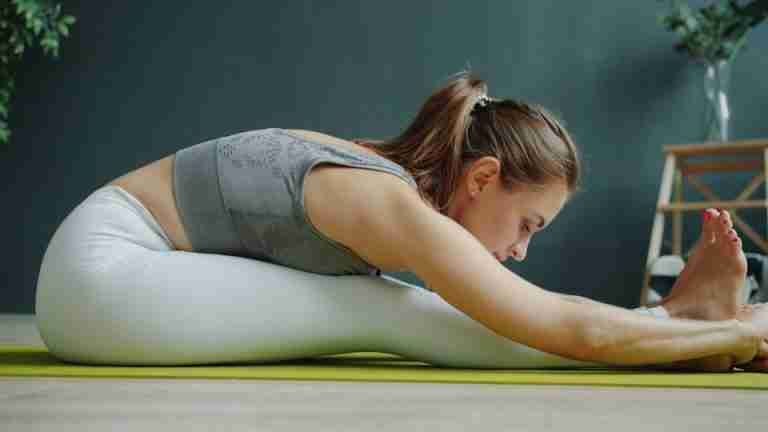
Seated Forward Bend: Sit with your legs extended in front, reaching towards your toes. This stretch targets the hamstrings and lower back, which can often become tight due to stress.
By dedicating a few minutes to these specific stretches, you can effectively target and alleviate the physical tension that often accompanies stress.
The Role of Breathing: An Underestimated Ally
Breathing exercises are a powerful addition to any stretching routine, further enhancing its stress-reducing effects. Deep breathing techniques, such as diaphragmatic breathing, can significantly lower stress levels. As you stretch, focus on taking slow, deep breaths, inhaling through the nose and exhaling through the mouth. This practice helps oxygenate the blood, lowers heart rate, and promotes a state of calm.

Research conducted by the American Institute of Stress highlights the benefits of controlled breathing in reducing anxiety and improving sleep quality. By integrating mindful breathing into your stretching routine, you can transform a simple pre-bedtime ritual into a comprehensive stress management strategy.
In addition to diaphragmatic breathing, consider incorporating alternate nostril breathing or box breathing. These techniques can add variety to your routine and deepen the relaxation response, making them excellent options for those who wish to explore further.
Timing Your Routine: Finding What Works for You
The optimal time for stretching varies depending on individual preferences and schedules. Some people find that stretching immediately before bed maximizes relaxation, setting the stage for restful sleep. Others prefer to stretch after an evening walk or shower, allowing their bodies to wind down gradually.
Experiment with different times to discover what suits your lifestyle best. The key is consistency; making stretching a regular part of your nightly routine ensures you reap the maximum benefits.
Many people find that keeping a yoga mat beside the bed serves as a visual reminder to engage in their stretching ritual. This small step can encourage adherence to the routine, fostering a sense of discipline and commitment to self-care.
Tools and Resources to Enhance Your Practice
Incorporating technology and tools can elevate your stretching routine. Several apps and online resources offer guided stretching sessions tailored to different needs and preferences. Down Dog and StretchIt are popular choices, providing customizable routines that can adapt to your skill level and goals.
Additionally, using props such as yoga blocks or straps can help deepen stretches and improve flexibility. These tools are particularly beneficial for beginners, offering support and stability as you explore new poses and techniques.
You might also consider investing in a foam roller or massage ball, which can aid in releasing muscle knots and enhancing the effects of your stretching routine. These tools can be especially helpful for targeting deeper muscle layers and improving mobility.
Real-Life Success: Transformative Effects of Stretching
The positive impact of stretching extends beyond anecdotal evidence. Many individuals have reported profound changes in their stress levels and sleep quality following the adoption of a nightly stretching routine. One such example is a case study featured in the Journal of Physical Therapy Science, where a participant experienced a significant reduction in stress and improvement in sleep patterns after committing to a stretching regimen for six weeks.
This isn't always straightforward, as personal experiences with stretching can vary. However, the common thread among those who have embraced this practice is a marked improvement in overall wellbeing. By prioritizing stretching, you can cultivate a sense of balance and tranquility that permeates all aspects of life.
Take the First Step Tonight
Embarking on a stretching journey requires no special equipment or extensive time commitment—just a willingness to prioritize your wellbeing. Tonight, set aside ten minutes before bed to explore the transformative effects of stretching. Select a few gentle stretches, focus on your breath, and allow yourself to unwind from the day's demands.
Remember, stress management is not a one-size-fits-all endeavor. Experiment with different stretches, breathing techniques, and routines to discover what resonates with you. By making stretching a nightly ritual, you're not only investing in your physical health but also nurturing your mental and emotional wellbeing.
The path to a more relaxed and peaceful existence begins with a single stretch. Why not start tonight?