Unpacking the Magic of Fermented Foods for Better Digestion
Ever wondered why some people swear by kimchi or kombucha for their digestive woes? Fermented foods have quietly gained a reputation as culinary wonders, offering more than just unique flavors. They pack a punch when it
Ever wondered why some people swear by kimchi or kombucha for their digestive woes? Fermented foods have quietly gained a reputation as culinary wonders, offering more than just unique flavors. They pack a punch when it comes to aiding digestion, and here's what you need to know to harness their magic for your gut health.
Why Fermented Foods Are Gut-Friendly Powerhouses
Fermented foods are not just trendy—they're loaded with probiotics, the beneficial bacteria that support gut health. These microorganisms help balance the gut microbiome, which plays a crucial role in digestion. Studies have shown that incorporating probiotics into your diet can alleviate symptoms of digestive disorders like irritable bowel syndrome (IBS) and inflammatory bowel disease (IBD). According to a study published in the journal "Gut," individuals consuming probiotic-rich foods reported a significant decrease in bloating and discomfort.
But here's the kicker: not all fermented foods are created equal. Some, like yogurt and kefir, are teeming with live cultures, while others might not contain active probiotics. Checking the label for "live and active cultures" ensures you're getting the real deal. For example, while store-bought pickles might be fermented, they often undergo pasteurization, which can kill beneficial bacteria. Opting for non-pasteurized versions can make a significant difference in probiotic content.
The Surprising Role of Sauerkraut in Reducing Gut Inflammation
Sauerkraut, a staple in many European cuisines, is more than just a tangy side dish. It’s a rich source of probiotics that can help reduce gut inflammation. The fermentation process enhances its nutritional profile, making it high in fiber and vitamins C and K. Research from the "World Journal of Microbiology and Biotechnology" highlights that sauerkraut's probiotic content can help strengthen the gut barrier, preventing harmful bacteria from triggering inflammation.
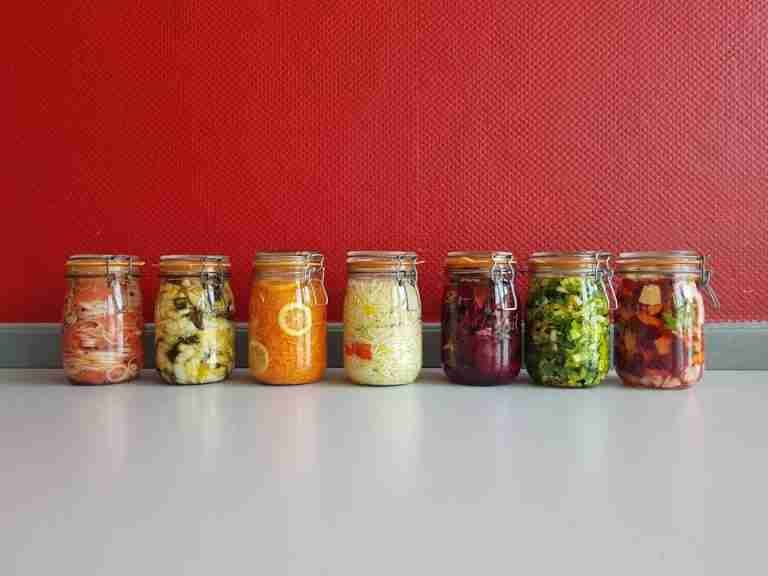
Integrating sauerkraut into your meals is simple. Add it to salads, use it as a topping for sandwiches, or enjoy it as a side dish. Just a small serving daily can make a difference. However, be cautious if you're on a low-sodium diet, as sauerkraut can be high in salt. For those looking to reduce sodium intake, consider rinsing store-bought sauerkraut in water to remove some of the excess salt before consumption.
How Kefir Can Transform Your Morning Routine
Kefir is like yogurt's more potent cousin. This fermented milk drink boasts a higher probiotic count and a wider variety of strains. It's also rich in calcium and vitamin D, supporting bone health while aiding digestion. A study in "Nutrition Research Reviews" found that regular consumption of kefir improved lactose digestion, making it a great option for those with lactose intolerance.
You can easily incorporate kefir into your morning routine. Use it as a base for smoothies, pour it over cereal, or drink it plain. For those who prefer plant-based diets, water kefir offers similar benefits without the dairy. Experimenting with flavors can make kefir more palatable for those new to its taste; try adding fruits like berries or a drizzle of honey to enhance its natural tanginess.
Kombucha: A Fizzy Friend for Your Gut
Kombucha, a fermented tea, has gained popularity for its unique taste and potential health benefits. It's rich in probiotics and antioxidants, which can support digestion and overall gut health. The tea fermentation process produces acetic acid, which has been linked to antimicrobial properties that help balance gut flora.
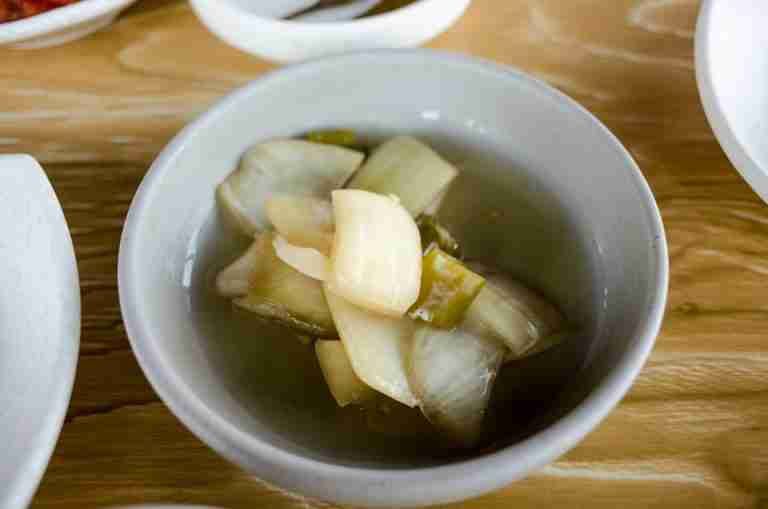
The effervescent nature of kombucha makes it a refreshing alternative to sugary sodas. However, it's essential to choose a brand that offers the right balance of sweetness and acidity. Look for those with minimal added sugars and a short ingredient list. Brands like GT's Kombucha are known for their quality and reliability. To maximize benefits, consider consuming kombucha in moderation, as excessive intake might lead to gastrointestinal discomfort for some individuals.
Kimchi: Spicy, Tangy, and Full of Benefits
Kimchi, a Korean staple, is another probiotic-rich food that deserves a spot on your plate. Made from fermented cabbage and radishes, it's flavored with spices like garlic and ginger, which add to its health benefits. Kimchi is not only good for digestion but also boasts anti-inflammatory properties, thanks to its rich antioxidant content.
Incorporating kimchi into your diet can be as simple as using it as a condiment or mixing it into fried rice. A study in the "Journal of Medicinal Food" found that regular consumption of kimchi can help lower cholesterol and improve gut health. It's a versatile addition to many dishes, providing both flavor and health benefits. For an innovative twist, try using kimchi in savory pancakes or as a topping for grilled proteins to add a spicy kick.
Making Fermented Foods at Home: A Cost-Effective Approach
Creating your own fermented foods can be both rewarding and economical. Home fermentation allows you to control the ingredients, ensuring a healthier outcome. Plus, it's a fun way to experiment with flavors.

To start, consider making simple sauerkraut or yogurt at home. For sauerkraut, all you need is cabbage and salt. Slice the cabbage, massage it with salt, and let it ferment in a jar for a few weeks. For yogurt, Instant Pot offers a convenient yogurt-making feature that simplifies the process. You can also explore making your own kefir by purchasing kefir grains online, which can be reused indefinitely to ferment milk or water.
While home fermentation requires patience, the results are worth it. Not only do you save money, but you also end up with a product tailored to your taste and dietary needs. Experimenting with different fermentation times can yield varying levels of tanginess and texture, allowing you to discover your preferred flavor profile.
What to Watch Out for When Consuming Fermented Foods
While fermented foods offer numerous benefits, they're not without potential drawbacks. Some individuals might experience digestive discomfort when first introducing these foods due to their strong probiotic content. It's wise to start with small portions and gradually increase intake.
Additionally, be mindful of the sodium content in pickled or brined ferments like sauerkraut and kimchi. If you're watching your salt intake, opt for low-sodium versions or make your own at home. For those sensitive to histamines, a natural byproduct of fermentation, it might be useful to monitor symptoms and consult with a healthcare provider if adverse reactions occur.
Another consideration is the alcohol content in certain ferments like kombucha. While typically low, it might be significant for those who are sensitive or avoiding alcohol. Always check labels for alcohol content if this is a concern. Remember that the fermentation process can vary between batches, potentially affecting both probiotic content and alcohol levels.
Taking Action: Incorporating Fermented Foods into Your Diet Today
Now that the benefits and practicalities of fermented foods are clear, it's time to take action. Start by selecting a few options that appeal to your taste and dietary preferences. Whether it's adding a spoonful of sauerkraut to your lunch or sipping on a glass of kefir in the morning, small changes can lead to significant improvements in your digestive health.
Consider setting a weekly goal to try a new fermented food. This approach not only diversifies your diet but also helps identify which foods work best for your body. Keep an open mind and enjoy the journey of exploring these ancient culinary treasures. Engaging with local food markets or attending workshops on fermentation can provide additional inspiration and guidance in integrating these foods into your lifestyle.
By embracing fermented foods, you're not just enhancing your meals; you're investing in your long-term health. And that's a change worth making today.