Why Swapping Your Afternoon Snack for a Walk Transforms Your Health
Imagine this: It's mid-afternoon, and you're feeling the familiar slump. The lure of a sugary snack calls, promising a jolt of energy to carry you through the rest of the day. But what if there's a better alternative? On
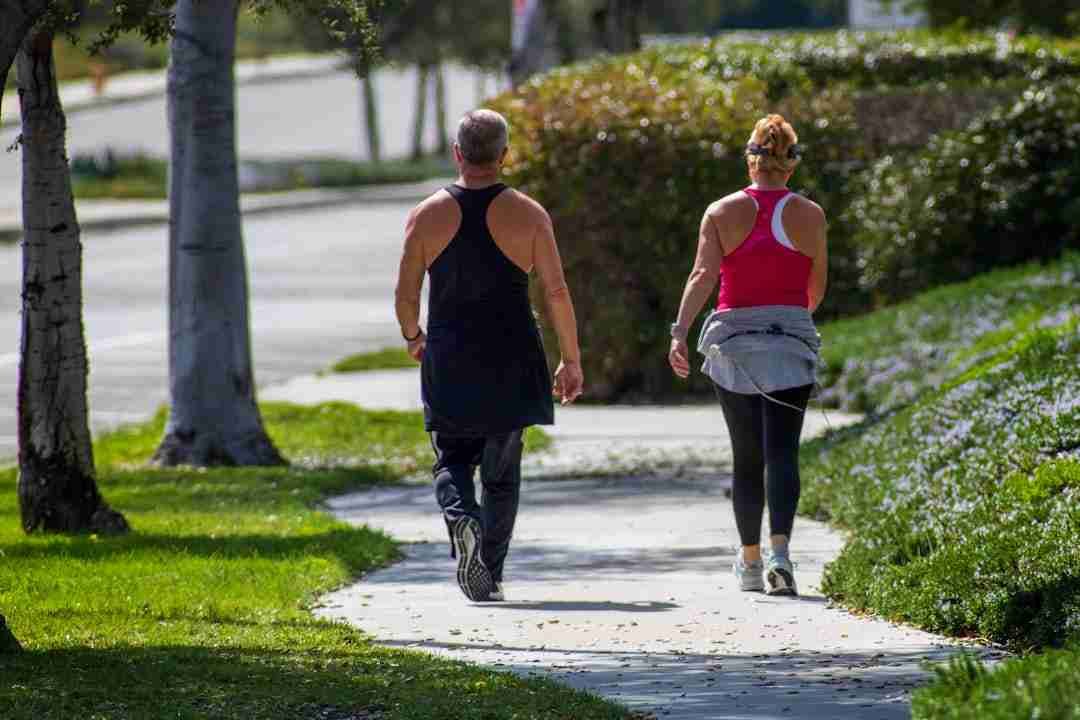
Imagine this: It's mid-afternoon, and you're feeling the familiar slump. The lure of a sugary snack calls, promising a jolt of energy to carry you through the rest of the day. But what if there's a better alternative? One that not only refreshes your mind but also boosts your health in multiple ways. Consider swapping that snack for a brisk afternoon walk. This simple change can transform your health, lifting you out of the afternoon fog and setting you on a path to better wellness.
The Surprising Calorie Burn of a 15-Minute Walk
Most people don't realize just how effective a short walk can be in burning calories. A brisk 15-minute walk can burn around 60-100 calories, depending on your weight and pace. This might seem modest compared to a full workout, but over time, these calories add up. For those looking to shed a few pounds or maintain their weight, this is a practical and sustainable step. Swapping a high-calorie snack for a walk not only cuts out those extra calories but also engages your muscles and gets your heart pumping, both of which are pivotal for weight management.
And the benefits don't stop there. Walking also boosts your metabolism, helping your body burn calories more efficiently even when you're at rest. Incorporate this habit daily, and you might notice your clothes fitting a bit looser without any drastic diet changes. To maximize calorie burn, consider varying your pace during the walk. Alternating between a moderate stroll and a brisk pace can increase your heart rate and enhance the workout’s effectiveness.
Boost Mood and Energy with Natural Endorphins
It's well-known that exercise releases endorphins, often referred to as "feel-good" hormones. What many overlook is that even a short walk can trigger this release. A quick afternoon stroll can elevate your mood far more effectively than a sugary snack, which often leads to a crash shortly after.

Research indicates that walking increases the production of serotonin and dopamine, neurotransmitters that play critical roles in mood regulation. This natural mood boost can enhance your productivity and focus for the remainder of the day. Plus, it's a healthier alternative to caffeine or sugar, which can disrupt your sleep patterns if consumed later in the day. Consider incorporating a walking meditation, where you focus on your breath and surroundings, to further enhance the mood-boosting effects.
Reducing Stress and Improving Mental Health
Modern life is stressful, and many struggle with anxiety and mental fatigue. Walking has been shown to significantly reduce stress levels. The act of moving and the change of scenery help clear the mind and reset your mental state. A study published in the Journal of Psychiatric Research found that individuals who engaged in regular walks reported lower levels of anxiety and depression.
Here's a practical approach: incorporate mindfulness into your walks. Focus on the rhythm of your steps, the sensation of the breeze, or the sounds around you. This practice not only enhances the stress-reducing effects but also helps improve mindfulness, a key component in managing mental health. To deepen the practice, consider using guided walking meditation apps or podcasts, which can provide structure and focus during your walk.
The Impact on Blood Sugar and Heart Health
The benefits of walking extend to metabolic health, particularly in managing blood sugar levels. For those at risk of type 2 diabetes or those already managing the condition, a post-meal walk can be a powerful tool. Research from the Diabetes Care journal highlights that walking after meals can significantly lower blood glucose levels, reducing the risk of spikes that can be harmful in the long term.

Moreover, walking is excellent for cardiovascular health. It strengthens the heart, reduces blood pressure, and improves circulation. These factors collectively lower the risk of heart disease. By choosing a walk over a snack, you're actively contributing to a healthier heart and a longer life. For optimal results, aim for consistent, moderate-paced walks that last at least 30 minutes, as these are shown to have the most significant impact on cardiovascular health.
How Walking Enhances Creativity and Cognitive Function
Stuck on a problem or experiencing writer's block? A walk might be the solution. Studies from Stanford University suggest that walking boosts creativity. Participants in their experiments showed a 60% increase in creative output when walking compared to sitting. The change of environment and the movement itself stimulate the brain, leading to new ideas and solutions.
This is particularly beneficial in the afternoon when many experience a mental lull. Instead of reaching for caffeine or sugar, a walk can refresh your mind and ignite your creative spark. To further boost creativity, consider walking in nature or green spaces, as studies indicate that natural environments enhance cognitive function and creativity.
Strengthening Muscles and Improving Joint Health
Walking is a low-impact exercise, making it accessible for people of all fitness levels. It gently strengthens the muscles in the legs and core, improving balance and coordination. Over time, this can lead to better posture and reduced risk of falls, especially important as one ages.
For those with joint issues, walking is often recommended because it helps lubricate the joints and can reduce stiffness. The key is consistency. Regular walking leads to stronger muscles that better support the joints, reducing the likelihood of pain. Engage in activities like stretching before and after your walk to further enhance joint flexibility and muscle strength.
Practical Steps to Make Walking a Daily Habit
To successfully integrate walking into your daily routine, consider these practical tips:
-
Set a Reminder: Use a reminder app like Google Calendar to schedule your walk. Treat it like an appointment you can't miss.
-
Choose the Right Footwear: Invest in a comfortable pair of walking shoes. Brands like New Balance offer options that provide ample support and cushioning.
-
Track Your Progress: Use a fitness tracker or an app like Strava to monitor your steps and progress. Seeing your improvements can be motivating.
-
Mix Up Your Routes: Keep things interesting by varying your walking paths. Explore new neighborhoods or parks to prevent boredom.
-
Find a Walking Buddy: Partner with a friend or colleague. This not only makes the walk more enjoyable but also adds a layer of accountability.
To make the habit stick, consider setting specific goals, such as walking a certain number of steps per day or gradually increasing your walking duration each week.
Making Walking a Part of Your Work Culture
For those working in office environments, incorporating walking into the workday can be challenging but rewarding. Here are some strategies:
-
Walking Meetings: Suggest walking meetings for discussions that don't require screens or notes. This can be a refreshing change from the typical boardroom setting.
-
Standing Desks: Use adjustable desks to alternate between sitting and standing, and take short walking breaks every hour.
-
Corporate Wellness Programs: Advocate for or participate in workplace wellness programs that encourage physical activity. Many companies, like Virgin Pulse, offer programs that can be customized to include walking challenges.
Incorporating walking breaks into the day can enhance employee health and productivity, creating a more vibrant and dynamic work culture.
Taking Action Today
The benefits of walking are clear, and the barriers to entry are low. Start small, perhaps with a 10-minute walk, and gradually increase your time as it becomes a staple in your routine. The key is consistency. By making this simple swap from an afternoon snack to a walk, you're investing in your health, both mentally and physically.
So, lace up those shoes and step outside. Your body and mind will thank you, not just today, but for years to come.