Why Swapping Your Regular Lunch for a ‘Rainbow Bowl’ Could Change Everything
Imagine opening your lunchbox to a vibrant array of colors, each hue representing a different powerhouse of nutrients. It's not just a meal; it's an experience that tantalizes the senses and promises a boost in your day.

Imagine opening your lunchbox to a vibrant array of colors, each hue representing a different powerhouse of nutrients. It's not just a meal; it's an experience that tantalizes the senses and promises a boost in your day. This is the allure of the "Rainbow Bowl," a concept that has captivated health enthusiasts and culinary explorers alike. The idea is simple yet profound: eating a variety of colorful foods can transform not just your lunch break, but potentially your entire approach to nutrition.
The Appeal of Color: Why It Matters
Color isn't just visually appealing; it plays a crucial role in nutrition. Each color in your food represents different vitamins and minerals essential for health. For instance, the reds in tomatoes and bell peppers are rich in lycopene, known for its antioxidant properties. Greens like spinach and broccoli are packed with folate and vitamin K, crucial for bone health and energy metabolism. The concept of a Rainbow Bowl takes advantage of this principle by ensuring you have a diverse range of nutrients in one meal.
Research shows that eating a variety of colors can lead to a more balanced diet. A study published in the Journal of Nutrition found that individuals who consumed a greater diversity of fruits and vegetables had a lower risk of chronic diseases. This isn't about eating more; it's about eating smarter. By focusing on color diversity, you naturally gravitate towards a nutrient-rich diet without the tedious task of counting calories or tracking macros.
Consider the psychological benefits as well. Brightly colored meals can enhance mood and appetite. The visual diversity can make meals more exciting and enjoyable, which might encourage you to eat more fruits and vegetables naturally.
Getting Started Without the Overwhelm
For those new to the concept, creating a Rainbow Bowl might seem daunting. Where does one start with so many options? The key is simplicity. Begin with a base like quinoa or brown rice, which provides a hearty foundation. Then, think of your bowl as a canvas. Add a protein source such as grilled chicken, tofu, or chickpeas. From there, layer on the colors: red cherry tomatoes, orange carrots, yellow bell peppers, green spinach, and purple cabbage.
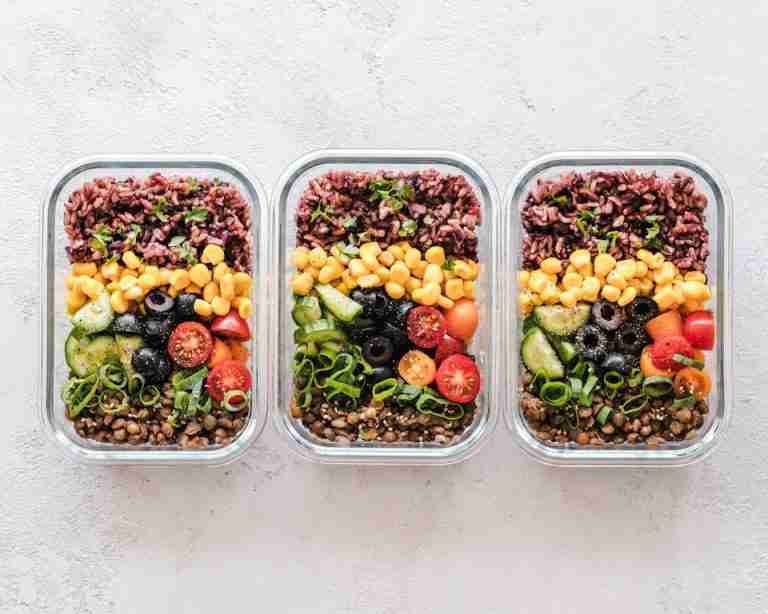
If you're unsure about combinations, consider cuisines that naturally incorporate a wide range of colors. Mediterranean and Asian dishes often feature an array of vegetables and can inspire your bowl creations. For instance, a Mediterranean-inspired bowl might include cucumbers, olives, tomatoes, and feta, while an Asian-inspired option could incorporate edamame, snap peas, and shredded carrots.
The reality is, you don't need to include every color in every meal. Start with what you have and gradually expand. Many find that visiting a local farmer's market can be an inspiring way to discover new produce and break the monotony of regular grocery shopping. The variety and freshness can guide your choices, making the process of assembling your Rainbow Bowl both enjoyable and rewarding.
Common Challenges and How to Address Them
Switching from a standard lunch to a Rainbow Bowl isn't without its hurdles. One common challenge is time. Preparing such a diverse meal can seem like a luxury many cannot afford during a busy workweek. However, meal prep can be a game-changer. Setting aside time on weekends to chop vegetables and cook grains can make weekday assembly quick and easy. Consider investing in stackable containers to keep your prepped ingredients fresh and organized.
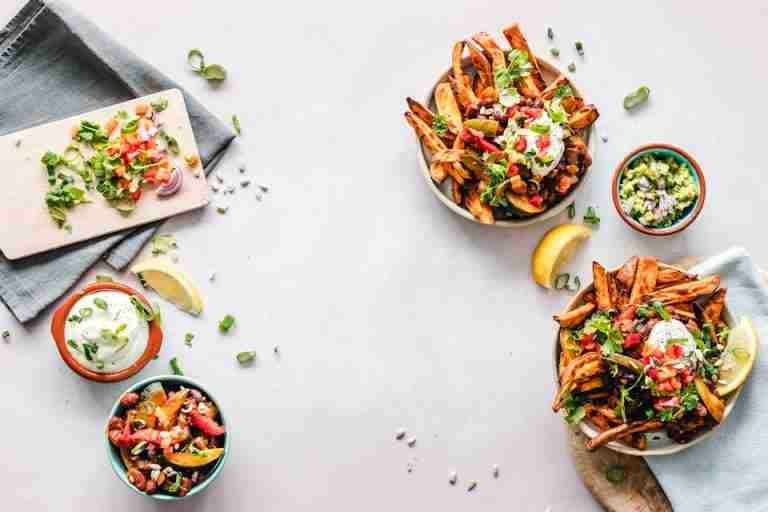
Another challenge is taste. Some might find the idea of raw vegetables unappealing. But this is where creativity comes in. Consider roasting vegetables to enhance their natural sweetness or adding a homemade dressing to elevate flavors. Spices and herbs are also your allies, transforming a simple bowl into a gourmet experience. Experiment with different flavor profiles, such as a lemon-tahini dressing for a Mediterranean twist or a ginger-soy vinaigrette for an Asian flair.
When This Approach Falls Short
While the Rainbow Bowl offers numerous benefits, it's not a one-size-fits-all solution. Some people may have dietary restrictions or allergies that make certain ingredients unsuitable. For example, those with a thyroid condition might need to moderate their intake of cruciferous vegetables like kale or broccoli.
Additionally, the focus on color might overshadow other nutritional needs. It's important to remember that while color diversity is beneficial, it's not the sole determinant of a healthy diet. Protein, healthy fats, and adequate caloric intake are also critical. Consulting with a nutritionist can provide personalized guidance to ensure that a Rainbow Bowl fits within your broader dietary goals.
The Practical Reality
Incorporating Rainbow Bowls into your routine requires a shift in mindset. It's not just about changing what you eat but altering how you view meals. This approach encourages mindfulness, prompting you to consider the nutritional value and origin of each ingredient. It’s a step towards a more conscious way of eating that many find improves their relationship with food.
The practical benefits are also considerable. A diet rich in fruits and vegetables can improve energy levels, enhance skin health, and even boost mood. The antioxidants and vitamins from colorful foods play a role in reducing inflammation and supporting overall well-being. This isn't just theory; countless individuals report feeling more vibrant and energetic after adopting this approach.
Making the Transition
Transitioning to Rainbow Bowls doesn't have to be abrupt. Start by incorporating them a few times a week. Notice how it makes you feel. Are you more satisfied? Do you have more energy throughout the day? These observations can guide your next steps, helping you decide whether to make it a permanent part of your lifestyle.

Gradually, you might find that your taste preferences begin to change. What once seemed bland or unappealing may become a favorite. This is a natural outcome of exposing your palate to a wider range of flavors and textures.
To aid this transition, consider keeping a food diary. Note the colors and types of produce you consume, as well as any changes in mood or energy. This can help you identify patterns and adjust your meals to suit your preferences and needs.
What Research Actually Shows
Research into colorful diets supports their health benefits. A study in the American Journal of Clinical Nutrition found that a diet high in fruits and vegetables is associated with a lower risk of cardiovascular disease. Another study in the British Journal of Nutrition highlighted the potential of colorful foods to improve cognitive function and reduce the risk of cognitive decline.
These findings underscore the importance of not just eating more fruits and vegetables, but ensuring a variety. The diversity of nutrients found in different colors can work synergistically, offering protection against a range of health issues.
A Final Thought: The Broader Impact
The movement towards Rainbow Bowls reflects a larger trend in dietary awareness. It's about reconnecting with food in a way that values quality and diversity. This isn't just a trend; it's a sustainable approach to nutrition that recognizes the complexity of human health.
Incorporating a Rainbow Bowl into your routine might seem like a small change, but it can have a ripple effect on other areas of life. It encourages mindfulness, supports health goals, and fosters a deeper appreciation for the food that fuels you. So next time you're planning lunch, consider embracing the rainbow. It's more than just a meal—it's a lifestyle shift that could indeed change everything.