Why Walking Barefoot on Grass Could Lift Your Mood Instantly
Imagine stepping out onto a lush, green lawn, the morning dew kissing your feet as you walk across the grass. Instantly, a sense of calm and connection envelops you. Many people have experienced this uplifting sensation

Imagine stepping out onto a lush, green lawn, the morning dew kissing your feet as you walk across the grass. Instantly, a sense of calm and connection envelops you. Many people have experienced this uplifting sensation and wonder if there's more to it than just a pleasant walk. The answer lies in the concept of grounding—or earthing—a practice that some suggest could lift your mood almost instantly by simply walking barefoot on grass.
Grounding: The Science Behind the Sensation
Grounding, also known as earthing, revolves around the idea that direct physical contact with the earth can stabilize the body's electrical charge. Research published in the Journal of Environmental and Public Health explains that the Earth's surface has a mildly negative charge and is rich with free electrons. When your body connects directly with the ground, it can absorb these electrons, potentially reducing free radicals and inflammation in the body.
This isn't just speculative. Studies have shown that grounding can have measurable effects. For instance, one study found significant reductions in pain and stress levels among participants who practiced grounding regularly. By walking barefoot on grass, you're engaging in a simple yet powerful practice that can impart these benefits, improving both physical and mental well-being.
The Mood-Boosting Power of Nature
The environment around you plays a pivotal role in how you feel. Nature has long been associated with improved mental health, and grounding amplifies this effect. A study by the University of Exeter highlighted how exposure to greenspaces can lead to lower levels of depression and anxiety. When you're walking barefoot on grass, you're not just benefiting from the grounding process, but also from the calming influence of nature itself.

Think of it this way: the simple act of disconnecting from digital devices and reconnecting with the natural world can provide a mental reset. It's an opportunity to clear the mind, reduce stress, and foster a sense of peace. For those living in urban areas, finding a patch of grass in a local park can be a small, yet impactful, step toward improving mental health.
In urban settings, where concrete jungles often replace natural landscapes, grounding can serve as a crucial reminder of the tranquility that nature offers. Whether it's a city park, a community garden, or a small backyard space, any green area can become your personal retreat for grounding.
Practical Steps to Start Grounding Today
So, how can you incorporate grounding into your daily routine? First, find a safe, accessible location where you can walk barefoot. This could be a local park, your backyard, or any other grassy area. Aim for at least 15-30 minutes of barefoot walking to experience the full benefits.
Consider the time of day as well. Morning walks can help you start the day with a calm mindset, while evening strolls may help you unwind after a busy day. Always be mindful of potential hazards like sharp objects or uneven ground.
For those who cannot access grassy areas easily, alternative grounding methods exist. Grounding mats and sheets, like those from Earthing.com, are designed to simulate direct contact with the earth and can be used indoors. These products can be particularly useful during colder months or in urban environments where natural spaces are limited.
When selecting a location for grounding, consider areas that are pesticide-free and well-maintained. This ensures that the experience is not only beneficial for your health but also safe.
Walking Barefoot: A Natural Stress Reliever
Walking barefoot on grass doesn't just connect you with the earth; it also serves as an effective stress reliever. The tactile sensation of grass beneath your feet can activate the parasympathetic nervous system, which promotes relaxation. This process can lower cortisol levels—the hormone associated with stress—thereby reducing feelings of anxiety and tension.

This practice encourages mindfulness. As you walk, pay attention to the sensations beneath your feet, the sounds around you, and the rhythm of your breathing. Such mindfulness can help distract from daily stressors, providing a mental break. It's a simple, accessible way to cultivate a moment of zen in an otherwise hectic day.
Incorporating breathing exercises or gentle stretching during your walk can further enhance the stress-relieving effects, making the experience even more rewarding.
Grounding and Sleep: An Unexpected Benefit
Grounding may also have a positive impact on sleep quality. A study published in the Journal of Alternative and Complementary Medicine found that participants who practiced grounding reported improvements in sleep duration and quality. The theory is that grounding helps synchronize the body's internal clock, aligning it more closely with the natural rhythms of the earth.
Good sleep is essential for mood regulation. By improving sleep quality through grounding, you may find that you're better equipped to handle challenges and maintain a positive outlook. If sleep troubles you, incorporating grounding into your evening routine could be a game-changer.
Consider combining grounding with other sleep-promoting practices, such as reducing screen time before bed or establishing a consistent bedtime routine, to maximize benefits.
The Immune System Connection
There's also evidence suggesting that grounding could bolster the immune system. The reduction of inflammation through grounding might support immune function, making the body less susceptible to illness. A study conducted by the University of California found that grounding increased the surface charge of red blood cells, reducing blood viscosity and potentially enhancing circulation.
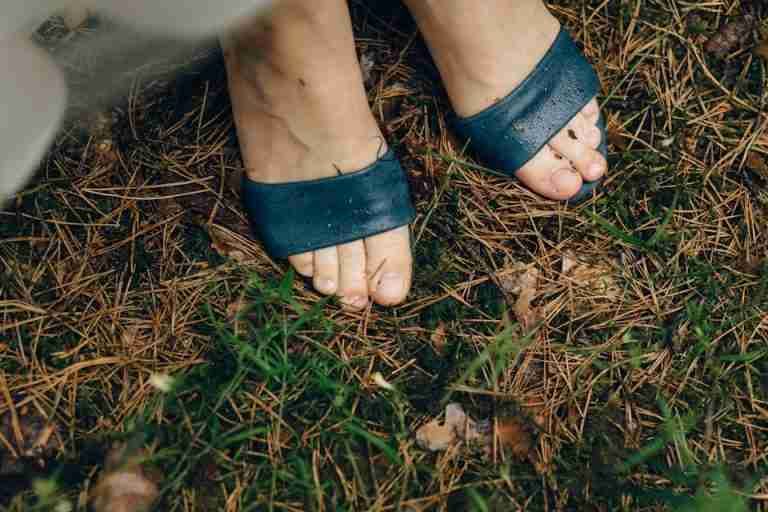
Better circulation means more efficient delivery of oxygen and nutrients throughout the body, which can support overall health. By walking barefoot on grass, you're engaging in a practice that not only uplifts the spirit but may also fortify your body's defenses.
To further support your immune system, consider pairing grounding with a balanced diet rich in vitamins and minerals, regular physical activity, and sufficient hydration.
Potential Limitations and Considerations
While the benefits of grounding are compelling, it's important to acknowledge that this practice may not be a cure-all. The effects can vary from person to person, and not everyone may experience immediate benefits. Additionally, those with certain medical conditions should consult healthcare professionals before starting any new health practice.
Another consideration is the environment. Not all green spaces are free from pollutants or chemicals, which could pose risks when walking barefoot. Always choose clean and safe locations to practice grounding.
For those with sensitive feet, consider gradually increasing the duration of your grounding sessions to allow your feet to adapt to different textures and surfaces.
Take Action: Make Grounding Part of Your Routine
Grounding is a simple, natural practice with the potential to improve mood, reduce stress, and enhance well-being. To start reaping these benefits, try setting aside time each day for barefoot walks on grass. Whether it's a morning ritual or an evening wind-down, integrating grounding into your routine could be a small change with significant impact.
Consider keeping a journal to track your mood and health changes over time. This can help you notice patterns and determine how grounding is affecting you personally. By doing so, you're taking an active role in managing your mental and physical well-being.
To further personalize your grounding routine, experiment with different locations, times of day, and additional practices, such as meditation, to discover what works best for you.
Walking barefoot on grass offers more than a pleasant experience—it's a pathway to grounding that can lift your mood and improve your health. With a bit of mindfulness and commitment, you can make grounding a valuable part of your life starting today.