Why Your Post-Workout Smoothie Might Be Sabotaging Your Gains
Picture this: You've just finished an intense workout, and you're feeling great. As you cool down, you reach for that beloved post-workout smoothie, confident it's the perfect way to refuel and maximize your gains. But w

Picture this: You've just finished an intense workout, and you're feeling great. As you cool down, you reach for that beloved post-workout smoothie, confident it's the perfect way to refuel and maximize your gains. But what if that seemingly healthy choice is actually working against you? It's a common mistake, and understanding why could make all the difference in achieving your fitness goals.
How Sugar-Laden Smoothies Affect Muscle Repair
After a tough workout, your muscles are in desperate need of repair and replenishment. The body craves nutrients, especially protein, to kickstart the recovery process. However, many post-workout smoothies are loaded with sugar, which can spike insulin levels rapidly. While a slight insulin boost can help shuttle nutrients into muscles, too much sugar can lead to unwanted fat storage and energy crashes.
Consider this: a typical smoothie from popular chains can contain upwards of 30 grams of sugar per serving. That’s about equivalent to gulping down a can of soda. While fruits like bananas and berries naturally contain sugars, many smoothies also include added sweeteners like honey or flavored yogurt, further increasing the sugar content. The key is to focus on balance and moderation. Opt for smoothies that incorporate low-glycemic fruits and unsweetened add-ons. Choose berries, which are rich in antioxidants and have lower sugar content, over high-sugar fruits. When considering sweeteners, natural options like stevia or monk fruit can provide sweetness without the added sugar load.
The Importance of Protein Timing
Timing is everything, especially when it comes to protein intake post-exercise. Research suggests that consuming protein within 30 minutes to two hours after a workout can significantly enhance muscle synthesis. Yet, many smoothies fall short in the protein department, leaving your muscles wanting more.
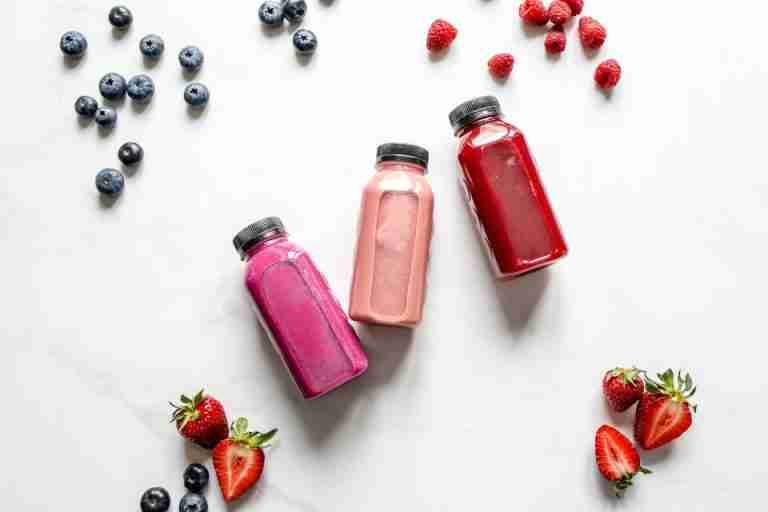
A simple blend of fruits and vegetables might not cut it. To ensure sufficient protein intake, consider adding ingredients like Greek yogurt, protein powder, or even silken tofu. For example, a scoop of whey protein can provide about 20 grams of protein, which is ideal for muscle recovery. If whey isn't your style, plant-based options like pea or hemp protein are great alternatives and often come with additional amino acids that aid in muscle repair. To maximize absorption, pair protein with a small amount of carbohydrate, as this combination can enhance the uptake of amino acids into your muscle cells.
Fat Content: Friend or Foe?
Fats have been vilified in the diet world for years, but they play a crucial role in post-workout recovery. They help with hormone regulation and provide a slow, sustained release of energy. However, there's a fine line between beneficial fats and those that can hinder progress.
Many smoothies rely on ingredients like nut butters or avocados to boost their fat content. While these are healthy choices, it's essential to be mindful of quantities. For instance, a tablespoon of almond butter adds approximately 100 calories, which can quickly add up if you're not careful. Aim for a balance where fats constitute about 20-30% of your smoothie’s total calorie content. Consider incorporating medium-chain triglycerides (MCTs) from sources like coconut oil, which can be more readily used as energy rather than stored as fat.
The Role of Electrolytes and Hydration
Hydration is another critical factor often overlooked in post-workout nutrition. Exercise leads to the loss of fluids and electrolytes, which are vital for muscle function and overall energy levels. Many smoothies lack these essential elements, leaving you dehydrated and fatigued.
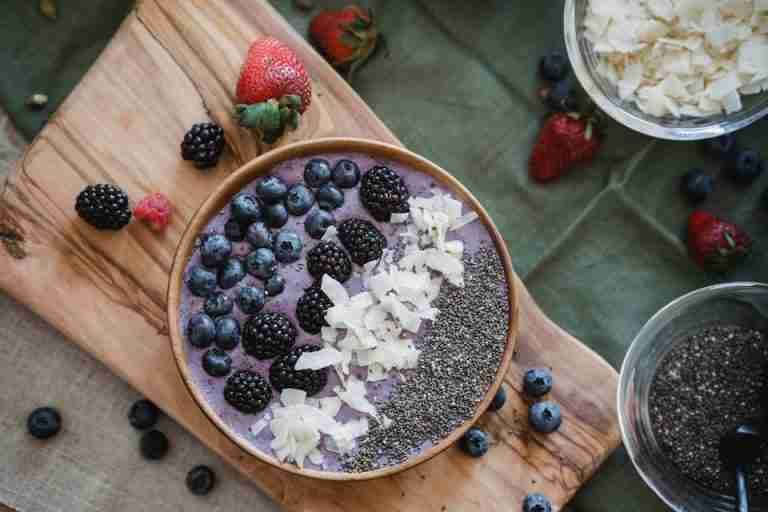
To combat this, consider incorporating coconut water or a pinch of Himalayan salt into your smoothie. Coconut water is a natural source of electrolytes like potassium and magnesium, while Himalayan salt can help replenish sodium levels. This combination not only aids hydration but also supports muscle contractions and nerve function. For those who sweat heavily during workouts, adding a teaspoon of chia seeds can help with hydration, as they absorb liquid and release it slowly into your system.
For those interested in tracking electrolyte intake and hydration levels, Hydrant offers a range of products specifically designed to replenish lost electrolytes effectively.
Why Calorie Count Matters More Than You Think
In the quest for muscle gains, it's easy to overlook the importance of calorie balance. Overindulging in post-workout smoothies can lead to consuming more calories than burned, hindering fat loss goals.
Many find that a smoothie can range anywhere from 300 to 600 calories, depending on the ingredients. This can quickly tip the scales if you're not accounting for these calories in your daily intake. Tools like MyFitnessPal can help track calorie consumption and ensure you're staying within your target range.
To keep calories in check, prioritize nutrient-dense ingredients over calorie-dense ones. Think leafy greens, unsweetened nut milks, and berries instead of pre-made smoothie mixes or syrups. Including high-fiber ingredients like oats or chia seeds can also increase satiety, helping you feel fuller for longer without the need for additional calories.
Avoiding Common Pitfalls with Ingredient Choices
Smoothies are often seen as a quick fix for nutrition, but ingredient choices can make or break their effectiveness. Many commercial smoothies, marketed as health elixirs, are filled with hidden additives and preservatives that do more harm than good.

A simple switch from store-bought to homemade can drastically improve the nutritional profile. Start with a base of water or unsweetened almond milk, add a handful of spinach or kale for vitamins, and include a source of protein like chia seeds or protein powder. Avoid adding processed sugars or syrups, and instead rely on the natural sweetness of fruits. To add an extra nutrient boost, consider spirulina or wheatgrass, which are rich in vitamins and minerals.
For those short on time, pre-packaged smoothie packs like those from Daily Harvest offer a convenient, healthy alternative, with ingredients clearly listed, so there are no surprises.
Making Your Smoothie Work for You Today
So, what can be done right now to ensure that your post-workout smoothie is supporting, rather than sabotaging, your goals? Start by reassessing the ingredients in your current go-to blends. Are there hidden sugars or unnecessary additives?
Try this simple, balanced recipe: Blend one cup of unsweetened almond milk, half a frozen banana, a scoop of protein powder, a handful of spinach, and a tablespoon of flaxseeds. This combination provides a good balance of protein, healthy fats, and carbohydrates without excessive sugars. Experiment with different flavors by adding spices like cinnamon or nutmeg, which can enhance taste without adding calories.
Remember, the key is customization. Tailor your smoothie to meet your specific nutritional needs and fitness goals. By understanding the impact of each ingredient, you can craft a post-workout smoothie that truly boosts your recovery and enhances those hard-earned gains.