The Unexpected Perks of a Spice-Filled Diet
Imagine spicing up your meals with a dash of turmeric or a sprinkling of cayenne, and in doing so, not only elevating your culinary experience but also your overall health. Many people underestimate the power of spices,
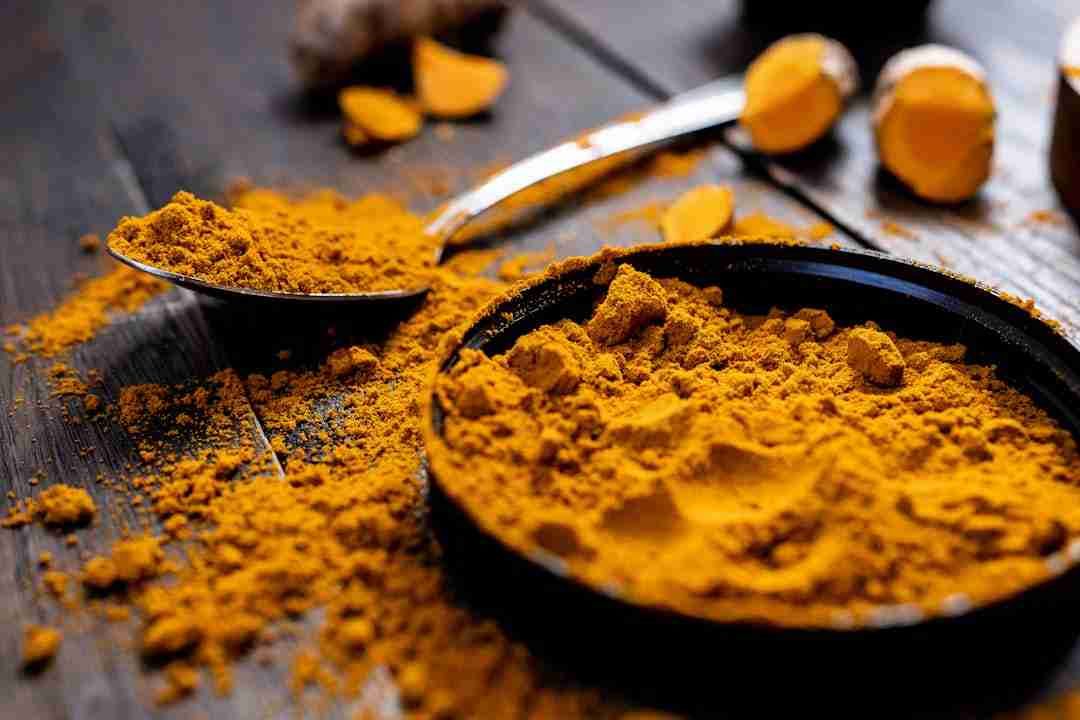
Imagine spicing up your meals with a dash of turmeric or a sprinkling of cayenne, and in doing so, not only elevating your culinary experience but also your overall health. Many people underestimate the power of spices, often seeing them as mere flavor enhancers. But the truth is, a spice-filled diet can offer unexpected perks that extend far beyond the kitchen. If you've ever wondered how something so small can make a big difference, it's time to explore the world of spices and their profound impact.
Turmeric and Its Golden Benefits
Turmeric is not just the star of curries; it's a powerhouse of health benefits. Curcumin, the active ingredient in turmeric, has anti-inflammatory properties that can help reduce joint pain and improve mobility in those suffering from arthritis. A study published in the journal Phytotherapy Research showed that turmeric extracts were just as effective as ibuprofen in treating knee osteoarthritis. Imagine swapping your over-the-counter pain relief for a flavorful spice.
But there's more. Turmeric may also play a role in brain health. Research indicates that curcumin can cross the blood-brain barrier and has the potential to improve neurological functions. It’s being studied for its effects on Alzheimer's disease and depression. Adding turmeric to your diet is as simple as stirring a teaspoon into soups, stews, or even your morning smoothie. For a more creative approach, consider making "golden milk," a traditional Indian beverage that combines turmeric with milk and honey, providing a warm, comforting drink that's packed with health benefits.
Cinnamon: More Than Just a Sweet Spice
Cinnamon is often associated with desserts, but its benefits extend well beyond satisfying a sweet tooth. This aromatic spice can help regulate blood sugar levels, making it particularly beneficial for individuals with type 2 diabetes. According to a study in the journal Diabetes Care, consuming 1 to 6 grams of cinnamon daily can reduce serum glucose, triglycerides, LDL cholesterol, and total cholesterol levels.

For those looking to maintain a healthy weight, cinnamon might be a valuable ally. It can increase insulin sensitivity and improve metabolism, assisting in weight management. Sprinkling a bit of cinnamon on your oatmeal or coffee is a simple way to incorporate it into your diet. If you're feeling adventurous, try adding cinnamon to savory dishes like roasted vegetables or meat marinades to create a unique flavor profile that surprises and delights.
Capsaicin in Chili Peppers: Igniting Your Metabolism
Chili peppers are famous for their heat, but the compound capsaicin does more than just set your taste buds on fire. It can boost your metabolism by increasing the body's heat production, leading to more calories burned. A study from the Journal of Nutritional Science and Vitaminology found that capsaicin consumption increases thermogenesis, which can aid in weight loss efforts.
Capsaicin's potential extends to pain relief, as it is often used in topical creams to reduce joint and muscle pain. Additionally, capsaicin acts as a natural appetite suppressant. By incorporating chili peppers into your meals, you may find yourself feeling fuller with less food, which can be particularly beneficial if you're trying to reduce portion sizes. For a spicy kick, consider adding fresh or dried chili peppers to stir-fries, soups, or marinades. You might also experiment with making your own hot sauce, allowing you to control the ingredients and heat level to suit your taste.
Ginger: A Natural Remedy for Nausea and More
Ginger is a versatile spice with a long history of medicinal use. It's well-known for its ability to alleviate nausea, making it a go-to remedy for morning sickness or chemotherapy-induced nausea. A review in the Journal of Pain and Symptom Management highlighted ginger's effectiveness in reducing nausea symptoms significantly.

Beyond its anti-nausea properties, ginger also contains gingerol, a substance with powerful anti-inflammatory and antioxidant effects. Regular consumption of ginger can aid in digestion, reduce menstrual pain, and even lower cholesterol levels. Incorporating ginger into your diet is easy: add it to tea, smoothies, or Asian-inspired dishes. For a refreshing twist, try making ginger-infused water or include it in homemade salad dressings to add a zesty kick.
Saffron: The Mood-Boosting Spice
Saffron is often known as the world's most expensive spice, but its potential benefits for mood enhancement might justify the cost. Studies have shown that saffron can be as effective as conventional antidepressants in mild to moderate depression. A review in the journal Human Psychopharmacology suggests that consuming saffron can improve symptoms of depression significantly.
In addition to its mood-boosting properties, saffron is also rich in antioxidants, which can protect the body from oxidative stress and inflammation. Using saffron in cooking requires only a small amount, making it perfect for flavoring rice, soups, and stews. Experiment with saffron by making traditional dishes like paella or risotto or create a simple saffron tea by steeping a few strands in hot water.
Black Pepper: Enhancing Nutrient Absorption
Black pepper is a staple in kitchens worldwide, but its benefits are often overlooked. Piperine, the active compound in black pepper, can enhance the absorption of nutrients like curcumin by up to 2,000%. This means that combining black pepper with turmeric can significantly boost the health benefits of both spices.
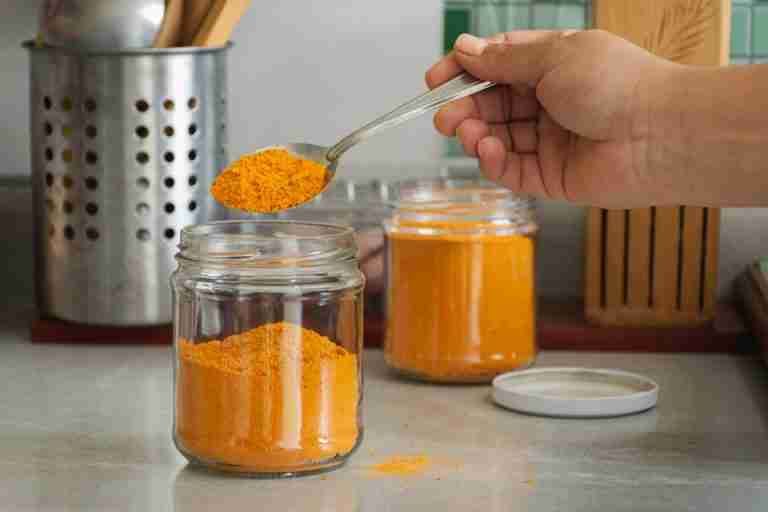
Additionally, black pepper has been shown to improve digestion by stimulating the release of digestive enzymes. It can also help fight bacteria and reduce inflammation. The next time you season your dish with black pepper, consider it a step toward better health. Try using freshly ground black pepper to maximize its flavor and health benefits, and don't hesitate to sprinkle it on everything from salads to grilled meats.
Cardamom: A Spice for Digestive Health
Cardamom is often used in sweets and teas, but its digestive benefits make it worth including in savory dishes as well. Known for its carminative properties, cardamom can help reduce bloating and gas. It’s also been used in traditional medicine to treat stomach ulcers.
A study in the Journal of Ethnopharmacology found that cardamom extracts could protect against Helicobacter pylori, a bacteria linked to stomach ulcers. To incorporate cardamom into your diet, try adding it to your coffee, tea, or even a curry dish for a unique flavor twist. You might also experiment with cardamom in baking, adding it to bread or cookies for a warm, aromatic flavor.
Getting Started with a Spice-Filled Diet
Transitioning to a spice-filled diet doesn’t require a complete overhaul of your eating habits. Start by introducing one new spice at a time and experiment with different recipes. Many find that keeping a variety of spices on hand encourages creativity in the kitchen and makes healthy eating more enjoyable.
Consider stocking up on these essentials: turmeric, cinnamon, chili peppers, ginger, saffron, black pepper, and cardamom. With these in your pantry, you're well-equipped to harness the diverse benefits of a spice-filled diet. To further expand your spice repertoire, explore international cuisines that rely heavily on spices, such as Indian, Mexican, and Middle Eastern dishes. This exploration can open up a world of flavors and health benefits.
For those seeking guidance on how to incorporate these spices into everyday meals, online platforms like Epicurious and AllRecipes offer countless recipes that highlight the use of spices. They provide inspiration for both novice and experienced cooks alike.
Final Thoughts: Spice Up Your Life
The benefits of a spice-filled diet extend far beyond taste. They offer practical health advantages that can enhance your well-being in numerous ways. Whether it's reducing inflammation, boosting metabolism, or improving mood, spices are a simple and effective way to support a healthy lifestyle.
Here's the challenge: pick one spice to focus on this week. Experiment with it in your meals and observe any changes you notice. By taking small steps, you can gradually transform your diet and enjoy the unexpected perks that come with embracing the power of spices.