5 Breathing Techniques for Instant Calm
Ever been so stressed out you feel like you’re living in a pressure cooker? Like you’re juggling flaming swords while riding a unicycle on a tightrope? I get it. Life can be a circus, and sometimes we forget to breathe.
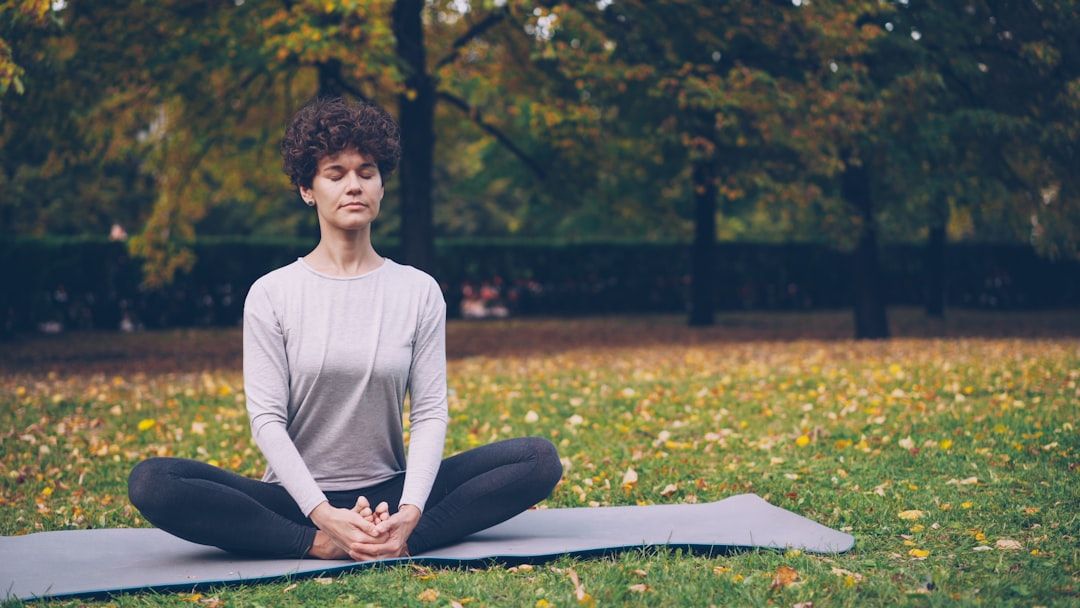
Ever been so stressed out you feel like you’re living in a pressure cooker? Like you’re juggling flaming swords while riding a unicycle on a tightrope? I get it. Life can be a circus, and sometimes we forget to breathe. Literally. But here’s a little secret: your breath can be your best friend With finding calm in the chaos. It sounds almost too simple, right? But trust me, there’s magic in these techniques. Let’s take a deep dive into five breathing techniques that can help you find instant calm, even in the craziest of situations.
The Part Nobody Mentions
We’ve all heard about deep breathing, but what does that even mean? It’s not just about taking in air and letting it out. It’s about doing it in a way that works for you. I remember the first time I tried deep breathing. I sat there, eyes closed, trying to follow an online guide that insisted I should feel calm immediately. I felt nothing but impatience. The truth is, it’s not one size fits all. Some people need to breathe like they’re filling a balloon; others need a slow, steady stream. The key is to find what rhythm resonates with your body. And don’t worry if you don’t get it right the first time. This is about finding what works for you, not what the textbook says.
Take my friend Sarah, for instance. She’s a high-stakes lawyer who thrives on adrenaline. Deep breathing seemed counterintuitive to her fast-paced nature. She tried the traditional deep breathing in her office but found it only made her more anxious. Then she discovered a technique that involved quick, shallow breaths, followed by a long exhalation, which suited her much better. It was like finding the right frequency on a radio—suddenly, everything was clearer. Sarah realized that just because something is labeled “deep” doesn’t mean it has to be slow. For her, the key was in the release, not the intake.
Why Most People Get This Wrong
Here’s the thing: most people think they can just start deep breathing and immediately feel better. But it can actually be a little uncomfortable at first. You might even feel lightheaded or anxious. That’s because your body isn’t used to it. We’re so accustomed to shallow breathing that when we start taking deep breaths, it feels foreign. It’s like meeting a long-lost friend who looks familiar but different. Give it time. In my experience, it can take a few tries before your body and mind sync up. It’s like riding a bike—you wobble before you glide.

Consider the case of Mark, a software engineer who faced relentless stress at work. He tried deep breathing during a particularly tense project deadline but ended up feeling dizzy and more stressed. The problem? He was focusing too much on the technique and not enough on the process of letting his body adapt. Mark switched to practicing his breathing while walking, allowing his body to naturally adjust to the deeper breaths with movement. Over time, he found a rhythm that was not only calming but also invigorating, making him more productive and less prone to panic.
Box Breathing: The Secret of Navy SEALs
Let’s talk about box breathing. It’s a technique used by Navy SEALs to stay calm under pressure. If it works for them, it’s worth a shot for us mere mortals. Imagine a box. You breathe in for four counts, hold your breath for four, breathe out for four, and hold again for four. It’s a cycle. And it’s surprisingly soothing. I tried this when I was stuck in a traffic jam with a deadline looming. It didn’t make the cars move faster, but it did make me feel less like I was about to explode. The symmetry of the box helps to focus your mind and keeps those racing thoughts at bay.
Julia, a trauma nurse, shared how box breathing transformed her chaotic shifts in the emergency room. During peak times, the pressure can be overwhelming. Julia incorporated box breathing into her routine between patients. The structure of the technique allowed her to recenter herself quickly, maintaining clarity and calm in life-or-death situations. It became a mental anchor, providing a momentary escape and a reminder of control amidst the chaos.
The 4-7-8 Trick That Works Like a Charm
This one’s a classic, and for good reason. The 4-7-8 technique is like a lullaby for your nervous system. You inhale through your nose for four seconds, hold your breath for seven seconds, and exhale through your mouth for eight seconds. It sounds long, but it’s worth it. It’s like a reset button for your brain. I find this especially helpful right before bed. When my thoughts are doing gymnastics, this technique helps me wind down. Just a heads-up—it might take a few tries to get used to the longer exhale. But once you do, it’s like slipping into a cozy sweater.

Take David, who struggled with insomnia for years. Every night felt like a battle with his thoughts. He was skeptical about the 4-7-8 technique initially, dismissing it as just another fad. However, after a particularly restless week, he decided to give it a sincere try. The first few nights, he felt awkward and impatient. But soon, the rhythm of the technique began to soothe him, acting as a bridge to sleep. David now swears by it, claiming it’s made a tangible difference in his quality of rest and overall mood.
Alternate Nostril Breathing: It’s Not Just for Yogis
This might sound a bit out there, but alternate nostril breathing is a gem. It’s a staple in yoga practice, yet you don’t have to be a yogi to benefit from it. The idea is simple: you close one nostril, inhale through the other, then switch. It sounds strange, but it balances your mind. I was skeptical at first too. But on a particularly stressful day, I gave it a whirl. And I felt…different. It’s like it cleared the fog in my brain. Plus, it’s a great party trick—just kidding, but it’s definitely worth trying if you haven’t yet.
Emma, a graphic designer, found this technique invaluable during creative blocks. When her mind felt cluttered and uninspired, alternate nostril breathing provided clarity. It was as if the technique helped her access different parts of her brain, sparking creativity and reconnecting her with her work. The subtle shift in energy and focus allowed her to see projects from new perspectives, often leading to breakthroughs.
The Quick Fix: Belly Breathing
When you’re really in a pinch, belly breathing is your go-to. It’s as simple as it sounds. You place a hand on your stomach, inhale deeply, and let your belly rise. Exhale, and let it fall. It’s like giving yourself a little hug from the inside. This is my go-to when I’m walking into a big meeting or about to have a tough conversation. It’s quick, discreet, and effective. The physical act of feeling your belly move can be incredibly grounding. It’s like anchoring yourself to the moment.

Sam, a high school teacher, uses belly breathing to manage classroom chaos. Before entering a particularly rowdy class, he takes a moment in the hallway, hand on his stomach, to ground himself. It’s a simple act that prepares him to face the day with patience and presence. He’s found that this small ritual not only calms him but also sets a calmer tone for his students, creating a more harmonious learning environment.
What Actually Works
But does this always work? Not exactly. There are days when none of these techniques seem to do the trick. Stress can be stubborn like that. But here’s what I’ve noticed: the more you practice, the easier it gets. It’s like training a muscle. And sometimes, the simple act of focusing on your breath can be enough to shift your mindset, even if just a little. It’s not about achieving Zen in a single breath, but about creating a habit of mindfulness that gradually weaves calm into your everyday life.
Look at Ben, a tech startup founder, who initially dismissed breathing techniques as too simplistic for his complex problems. But after suffering from chronic stress and burnout, he decided to give them a try. Initially skeptical, Ben committed to practicing these techniques daily. Over time, he noticed a subtle but significant shift in his ability to handle stress and make clearer decisions. For Ben, it wasn’t about immediate transformation but rather gradual improvement that made a lasting impact.
Finding Your Own Rhythm
In the end, it’s all about finding your rhythm. Don’t be afraid to mix and match these techniques, or even make up your own. What matters is that you’re focusing on your breath and giving yourself a moment of pause. It’s a small act of self-care that can make a big difference. And remember, it’s okay to wobble before you glide. Just keep breathing, and you’ll find your way through the circus.
So, next time you feel like you’re juggling flaming swords, take a moment. Breathe. It might not solve all your problems, but it can give you a moment of clarity and calm. And sometimes, that’s all you need to find your balance again.