Benefits of Cold Water Therapy for Mind and Body
Picture this: It’s a frosty winter morning, and you’re standing knee-deep in a freezing cold lake. Every instinct screams for you to retreat, to wrap up in a warm blanket with a hot cup of coffee instead. But you stay th
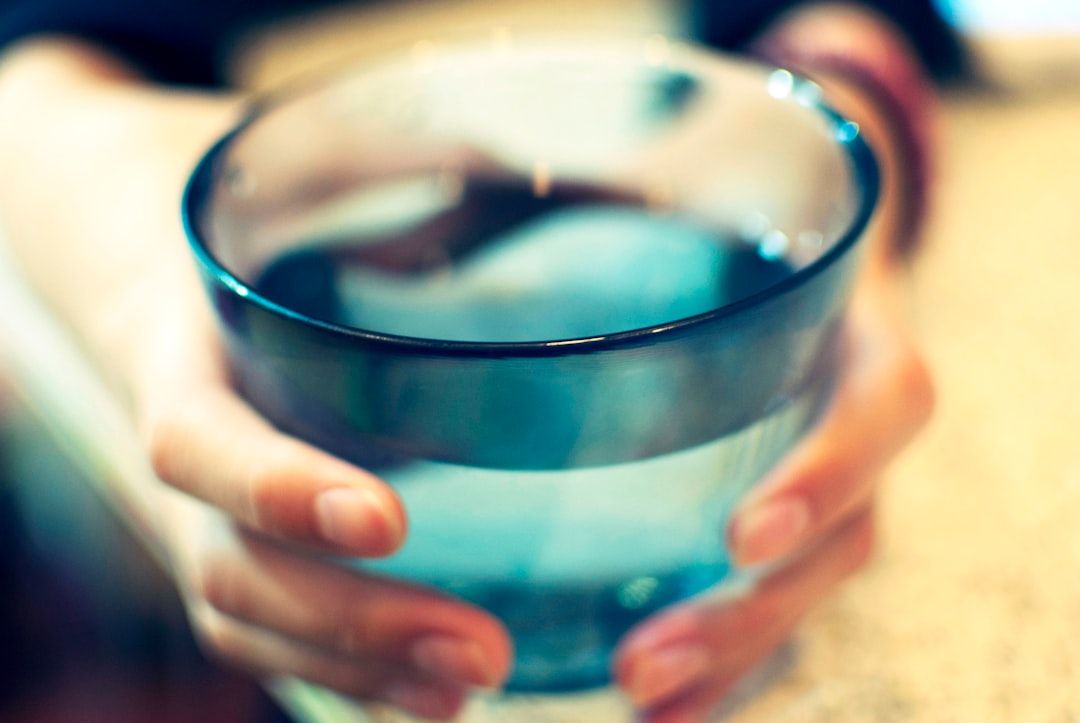
Picture this: It’s a frosty winter morning, and you’re standing knee-deep in a freezing cold lake. Every instinct screams for you to retreat, to wrap up in a warm blanket with a hot cup of coffee instead. But you stay there, feeling the icy water lap against your skin. It’s invigorating, awakening senses you didn’t even know were asleep. This isn’t just some peculiar pastime; it’s a practice that’s gaining traction for its surprising health benefits—cold water therapy. Let’s dive into why this chilly endeavor might just be worth your while.
Why Most People Get This Wrong
When we think of self-care, the picture that usually comes to mind is one of comfort: warm baths, soft blankets, and soothing teas. So, the idea of willingly immersing yourself in cold water seems counterintuitive, right? But here’s the kicker—cold water therapy is about as far from comfort as you can get, yet it might be one of the most effective ways to boost your well-being. See, most people think it’s just a fad or some extreme athlete’s trick. In reality, it’s a powerful tool for both mental and physical health that’s been around for centuries.
Consider Wim Hof, often referred to as “The Iceman,” who has popularized cold water immersion and breathing techniques. Hof holds multiple world records for withstanding extreme cold and has become a central figure in the cold therapy movement. His method, which combines controlled breathing, exposure to cold, and meditation, is practiced by thousands worldwide. Hof’s ability to control his autonomic nervous system and immune response through his practices has been documented in scientific studies, challenging preconceived notions about human capabilities.
The Unexpected Mind Boost
Here’s something that might surprise you: cold water therapy isn’t just for the body; it’s a major boon for the mind. The initial shock of cold water triggers a release of endorphins, those feel-good chemicals that make you feel on top of the world. It’s like your brain’s way of rewarding you for taking on such a daring challenge. In my experience, there’s a clarity that comes after a cold plunge—it’s like your thoughts are suddenly sharper, more focused.

And there’s science to back this up. Studies suggest that regular exposure to cold water can help alleviate symptoms of depression and anxiety. The theory is that the cold acts as a form of mild electroshock therapy, jolting your system into a state of heightened alertness and positivity. But does this always work? Not exactly… Mental health is complex, and what works wonders for one person might not for another. Still, if you’re looking for a natural mood lifter, it’s worth a shot.
Take the case of Sarah, a 34-year-old graphic designer who struggled with seasonal affective disorder (SAD). She began incorporating cold water therapy into her routine during the winter months. Sarah reported feeling more energized and less burdened by the winter blues. Although she initially approached the practice with skepticism, her consistent exposure to cold water helped her manage her symptoms better than any other intervention she’d tried.
The Part Nobody Mentions
Now, let’s talk about something you might not hear often—the community aspect. Yep, cold water therapy can be a surprisingly social activity. Imagine meeting a group of like-minded people at the break of dawn, all huddled together on the shore, sharing nervous laughs before taking the plunge. There’s a camaraderie in that shared experience, a collective bravery that can be incredibly empowering.
I remember my first group dip; I was terrified. But the energy was contagious. Everyone cheered each other on, and by the end, we were all laughing like we’d just conquered Everest. So, while the cold water itself has plenty of benefits, don’t underestimate the power of shared experience. It’s these connections that can make the practice not only more enjoyable but also more sustainable.
In Scandinavia, for example, cold water swimming clubs are a traditional part of winter culture. These communities often gather not just for the swim but for the social interaction that follows, frequently involving a warm sauna session. Members report that the shared experience of facing the cold together strengthens social bonds and boosts mental well-being.
What Actually Works
There’s a lot of buzz around the best way to approach cold water therapy. Some swear by daily cold showers to ease into the practice, while others advocate for the full plunge into natural bodies of water. From my perspective, there’s no one-size-fits-all answer. The key is consistency and listening to your body.

Starting with cold showers can be a gentle introduction. It’s like training wheels for your nervous system, gradually acclimating your body to the shock of cold exposure. Plus, it’s convenient—you can do it every day without needing to plan an outdoor adventure. But if you’re feeling bold, nothing quite matches the thrill of a full-body plunge. The rush is unparalleled, and for many, it’s the ultimate reset button.
Consider the experience of John, a marathon runner who incorporated cold showers into his recovery routine. He found that the practice not only helped reduce muscle soreness but also improved his mental resilience. John describes how starting each day with a cold shower set a positive tone, fostering a mindset of tackling challenges head-on.
The Body Benefits You Didn’t Expect
So, what does cold water therapy do for your body? Quite a bit, actually. For starters, it boosts circulation. When you immerse yourself in cold water, your blood vessels constrict, driving blood away from the surface of your body to protect your core organs. As you warm back up, those vessels expand, increasing blood flow. This process helps improve your cardiovascular health over time.
Cold water therapy is also known for reducing inflammation and speeding up recovery after intense physical activity. Athletes have used ice baths for years to help their muscles recover faster, and the principle is similar here. Your muscles relax as they warm up, helping to ease tension and reduce soreness. In my own post-workout routines, I’ve found that a cold plunge can make the difference between a day of groggy recovery and one where I feel ready to tackle whatever comes my way.
A notable example comes from elite sports teams, such as the English Premier League’s Manchester City, whose players use cold water immersion as part of their recovery protocols. The team’s medical staff has reported a notable decrease in muscle soreness and quicker recovery times, allowing players to maintain high performance levels during demanding seasons.
The Commitment Conundrum
But let’s be real—sticking with cold water therapy isn’t always easy. It takes a certain mindset to willingly embrace discomfort. The trick is to shift your perspective from dread to anticipation. Instead of focusing on the cold, think about the exhilaration and benefits that follow.

And don’t beat yourself up if you skip a day or two. This isn’t an all-or-nothing game. It’s about what you can sustain over time. Some days, you’ll jump right in with enthusiasm; other days, even the thought of a cold shower might be too much. That’s okay. The important thing is to keep coming back to it, knowing that each time you do, you’re doing something incredibly beneficial for yourself.
The Surprising Longevity Factor
Here’s where things get really interesting—there’s evidence suggesting that regular cold exposure might actually help you live longer. Now, I’m not saying cold water therapy is the fountain of youth, but studies have shown it can improve your immune function and increase your antioxidant levels. Both are crucial for longevity.
There’s also the fact that cold water therapy encourages a lifestyle that values resilience and adaptability, traits that can contribute to a longer, healthier life. Embracing the cold isn’t just about enduring discomfort; it’s about training your body and mind to handle stress more effectively. And in our fast-paced, ever-changing world, that’s a skill that can serve you well beyond the water’s edge.
Consider the practices of the Japanese “Ama” divers, free-diving women who dive into cold ocean waters daily well into their senior years. Many of these women live long, healthy lives, and researchers attribute part of their longevity to their lifestyle, which includes regular cold exposure and a diet rich in omega-3 fatty acids from seafood.
So, is cold water therapy a miracle cure-all? Probably not. But it’s a potent tool in the wellness toolkit that offers real benefits for both mind and body. Whether you’re looking to boost your mood, improve your physical health, or simply try something out of your comfort zone, cold water therapy has something to offer.
In my experience, the key is to approach it with an open mind and a willingness to embrace a bit of discomfort. Who knows? You might just find that the cold is exactly what you needed to wake up to a new kind of wellness.