Calming Stomach Troubles with Ginger Tea: A Soothing Brew
Stomach troubles can strike at the most inconvenient times, leaving you searching for quick relief. Many have turned to ginger tea, a time-tested remedy, offering a soothing solution to digestive discomfort. This isn't j
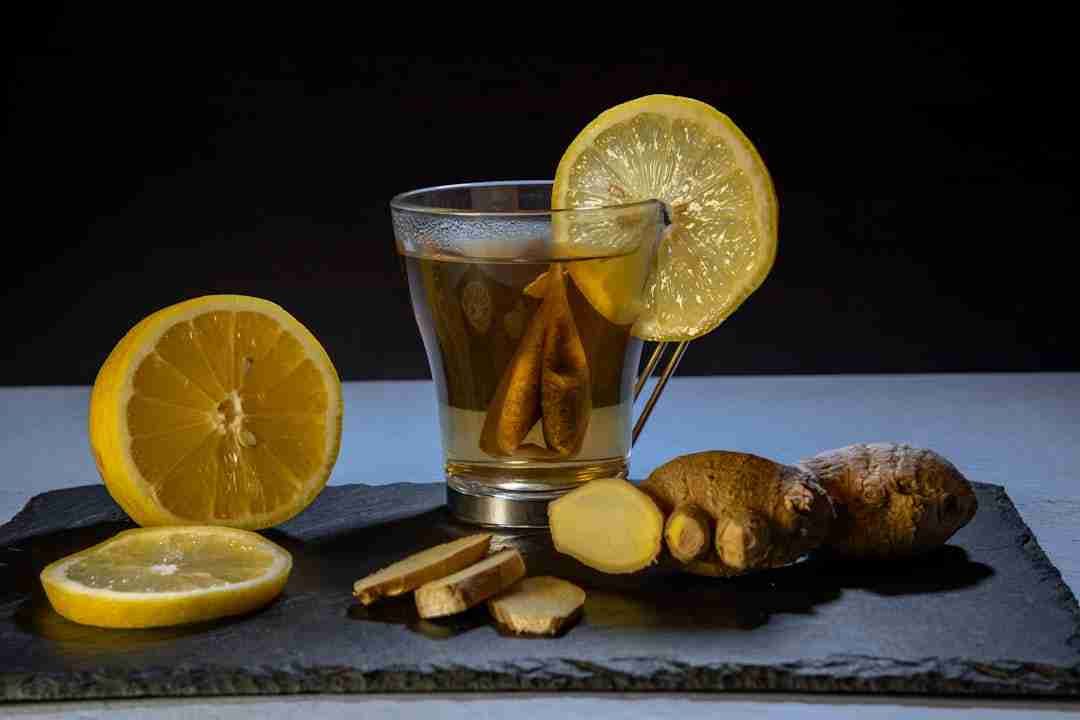
Stomach troubles can strike at the most inconvenient times, leaving you searching for quick relief. Many have turned to ginger tea, a time-tested remedy, offering a soothing solution to digestive discomfort. This isn't just folklore; there's a growing body of research supporting its efficacy, making it a popular choice for those seeking natural relief.
Ginger Tea's Active Ingredient: Gingerol
When you sip ginger tea, you're not just enjoying a warm beverage; you're harnessing the power of gingerol. This active compound in ginger is known for its anti-inflammatory and antioxidant properties, which can help calm an upset stomach. Studies have shown that gingerol can relax gastrointestinal muscles, reducing nausea and cramps. This makes ginger tea a go-to remedy for upset stomachs and indigestion.
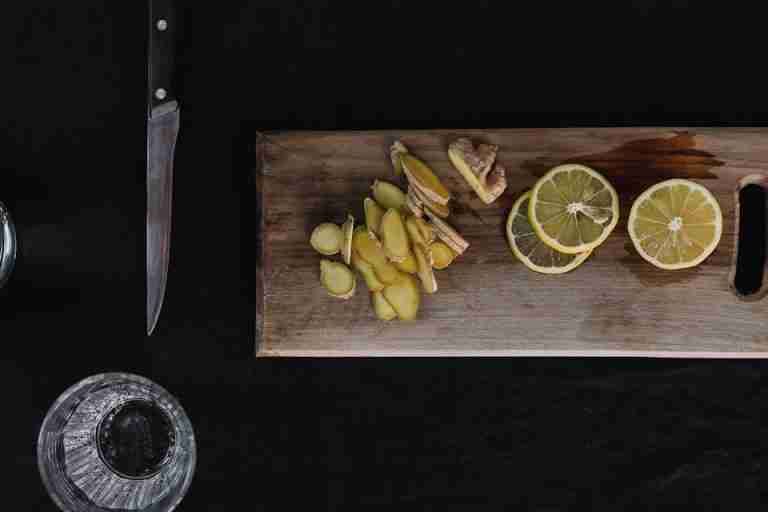
To make ginger tea at home, simply slice a fresh ginger root into thin pieces and steep them in hot water for about 10 minutes. You can add honey or lemon for flavor and additional soothing properties. This simple preparation allows you to tailor the strength and taste according to your preference. If you're short on time, using pre-packaged ginger tea bags is a convenient option, though fresh ginger will generally provide a more potent dose of gingerol.
The Science Behind Ginger's Effectiveness
Understanding why ginger tea is effective involves delving into its impact on the digestive system. Research indicates that ginger can accelerate gastric emptying, which means it helps move food from the stomach to the small intestine more quickly. This can be particularly beneficial if you're feeling bloated or experiencing indigestion after a heavy meal.
One study published in the "World Journal of Gastroenterology" found that participants who consumed ginger experienced a 25% faster gastric emptying rate compared to those who didn't. This highlights ginger's potential as a natural digestive aid without the side effects often associated with over-the-counter medications. In another study, ginger was noted to improve symptoms of dyspepsia, a condition characterized by upper abdominal discomfort, which further underscores its effectiveness in promoting digestive well-being.
Dosage: How Much Ginger Tea Should You Drink?
While ginger tea is generally safe, it's essential to consume it in moderation. Experts recommend drinking no more than three to four cups a day. This amount provides the benefits without overloading your system with ginger, which in excessive amounts, can lead to heartburn or mouth irritation.
Pregnant individuals, in particular, should be cautious. While ginger is often recommended for morning sickness, it's crucial to consult a healthcare provider to ensure it's safe for both the individual and the baby. The American Pregnancy Association suggests that up to 1 gram of ginger per day is safe for pregnant individuals, but personalized medical advice should always be sought.
Ginger Tea as a Travel Companion
Travel can be a notorious trigger for stomach issues, whether it's motion sickness or unfamiliar food. Ginger tea makes for an excellent travel companion due to its portability and ease of preparation. Pack a few ginger tea bags or carry a small jar of ginger powder to mix with hot water when needed.
According to a study in "Aviation, Space, and Environmental Medicine," ginger was found to be as effective as over-the-counter medications for motion sickness, without causing drowsiness. This makes it a preferred choice for those who need to stay alert while on the go. For those who travel frequently, creating a small travel kit with ginger tea bags or powdered ginger can offer peace of mind, knowing that relief is just a hot cup of water away.
Combining Ginger with Other Remedies
Ginger tea can be part of a broader approach to managing stomach troubles. Pairing it with other natural remedies can enhance its soothing effects. For instance, peppermint is known for its ability to relax the gastrointestinal tract and can be combined with ginger for a refreshing blend.
Another option is chamomile, which has mild sedative properties that can help relax the digestive system. Drinking a ginger-chamomile blend before bed may ease nighttime digestive discomfort and promote better sleep. Additionally, lemon balm, a lesser-known herb with calming properties, can be added to ginger tea to create a well-rounded, soothing beverage.
Here's a simple recipe: steep equal parts of ginger and peppermint or chamomile in hot water for 10-15 minutes. Sweeten with honey if desired. For those interested in experimenting, adding a pinch of fennel seeds can introduce a subtle, licorice-like flavor that complements the ginger and enhances digestive support.
Ginger Tea vs. Over-the-Counter Medications
Comparing ginger tea to over-the-counter medications reveals some interesting contrasts. While medications like antacids or H2 blockers can provide quick relief, they often come with side effects such as constipation, diarrhea, and long-term dependency. Ginger tea, on the other hand, offers a natural alternative with fewer risks.
A study in "Phytotherapy Research" found that ginger was as effective as some common prescription medications for nausea and vomiting but with a better side effect profile. This natural approach may be preferable for those seeking to minimize pharmaceutical intake. Furthermore, ginger tea does not require a prescription and can be easily prepared at home, making it a practical option for regular use.
How to Source Quality Ginger for Tea
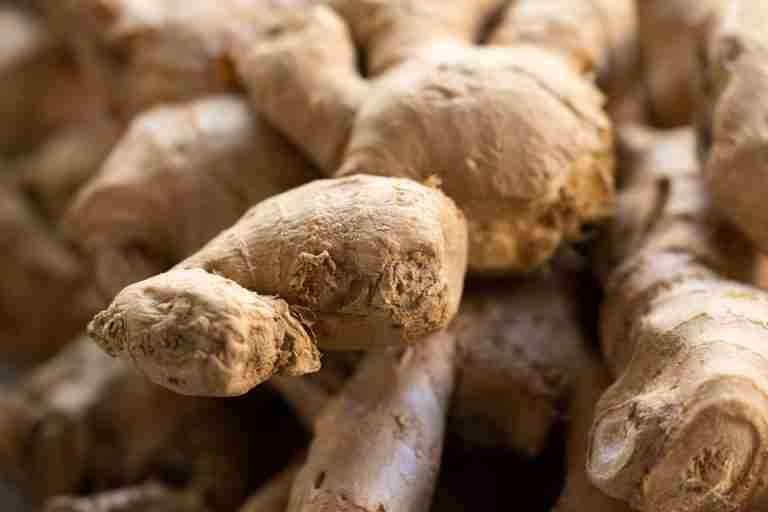
Sourcing quality ginger is crucial for maximizing the benefits of your tea. Fresh ginger root is the best option, as it contains the highest levels of gingerol. When selecting ginger, look for firm, smooth roots without any signs of mold or shriveling. If you find roots with a strong, spicy aroma, this is often an indication of their freshness and potency.
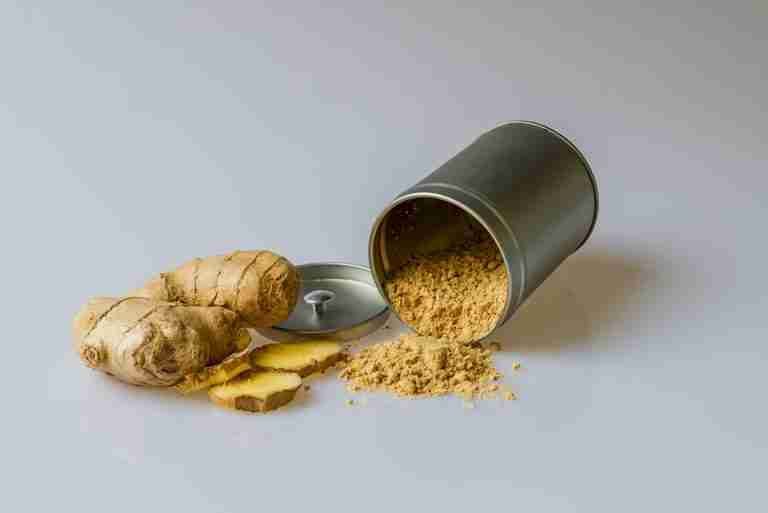
If fresh ginger is not available, powdered ginger can be a convenient alternative. However, ensure that it is 100% pure ginger without additives. Organic varieties are often preferred to avoid pesticide residues. It's worth noting that some specialty stores offer dried ginger slices or ginger crystals, which can be a handy middle ground between fresh and powdered options.
Online retailers like Amazon and specialty stores such as Spice House offer a wide selection of quality ginger products. For those interested in sustainable sourcing, exploring local farmers' markets or organic produce sections in supermarkets can provide high-quality options while supporting local agriculture.
Actionable Steps to Start Using Ginger Tea Today
Ready to incorporate ginger tea into your routine? Here are a few actionable steps you can take today:
-
Stock Up on Ingredients: Purchase fresh ginger root or ginger tea bags. If fresh ginger isn't accessible, opt for a reputable powdered ginger brand. Consider buying a small grater or ginger slicer to make preparation even easier.
-
Prepare Your First Brew: Slice a piece of ginger root and steep it in boiling water for a soothing tea. Experiment with added flavors like honey or lemon. For a richer taste, try grating the ginger instead of slicing it to release more of its natural oils.
-
Create a Travel Kit: Prepare a portable ginger tea kit with tea bags or powdered ginger for on-the-go relief. Include a small thermos to keep hot water handy while traveling.
-
Experiment with Blends: Try combining ginger with peppermint or chamomile to discover your preferred flavor and benefit combination. Incorporate other spices like cinnamon or cardamom for additional warmth and complexity.
-
Monitor Your Intake: Start with one to two cups a day and notice how your body responds. Adjust the amount as needed, keeping within the recommended limit. Consider keeping a journal to track any changes in digestive health or overall well-being.
By following these steps, you can enjoy the calming effects of ginger tea and potentially improve your digestive health naturally. Remember, while ginger tea is a powerful tool, it's always wise to consult a healthcare professional if persistent stomach issues arise.