Discovering the Mediterranean Diet Through My Grandmother’s Recipes
Imagine a world where meals are not just about feeding the body but also nurturing the soul. This is the essence of the Mediterranean diet, which many have found to be more than just a way of eating—it's a lifestyle. Ori

Imagine a world where meals are not just about feeding the body but also nurturing the soul. This is the essence of the Mediterranean diet, which many have found to be more than just a way of eating—it's a lifestyle. Originating from the sun-soaked coasts of Southern Europe, this diet is renowned for its health benefits and delicious flavors. But how can one truly embrace this way of life? Let's discover how centuries-old recipes can transform your approach to eating and living.
Getting Started Without the Overwhelm
Embarking on a new dietary journey can often feel daunting. The Mediterranean diet, though, is straightforward and flexible, making it accessible for anyone ready to make a change. Start by focusing on whole, minimally processed foods. Think fresh fruits and vegetables, whole grains, nuts, seeds, and olive oil as your primary fat source. Fish and poultry can be enjoyed in moderation, while red meat and sweets are kept to a minimum.
To ease into this, consider replacing one meal at a time. For breakfast, swap sugary cereals for oatmeal topped with fresh berries and a sprinkle of nuts. A dollop of Greek yogurt can add a creamy texture and boost protein intake. Lunch could be a vibrant salad with leafy greens, cherry tomatoes, feta cheese, and a drizzle of olive oil. Add a handful of olives or a slice of whole-grain bread to make it more satisfying. Dinner might feature grilled fish paired with roasted vegetables, seasoned with herbs like oregano or thyme to enhance the flavor. This gradual approach helps integrate new habits without feeling overwhelmed.
The Practical Reality of Meal Planning
Meal planning is crucial for maintaining a Mediterranean diet, especially if you're juggling a busy lifestyle. It's not just about what you eat but how you prepare it. Start by dedicating a couple of hours each week to plan and prep meals. Use this time to chop vegetables, marinate proteins, and cook grains like quinoa or farro.
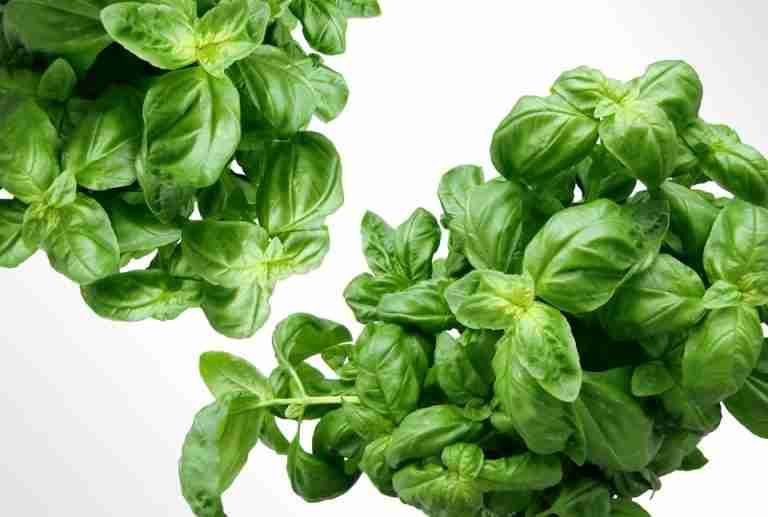
One practical tip is to embrace batch cooking. Prepare a large pot of vegetable soup or stew, which can serve as a hearty meal throughout the week. Incorporating legumes such as lentils or chickpeas into these dishes can boost protein intake without relying solely on meat. Consider preparing a batch of homemade hummus to serve as a snack or appetizer; it's a great way to increase your intake of fiber and healthy fats.
For those who prefer digital tools, apps like Mealime offer easy-to-follow meal plans and grocery lists tailored to your dietary preferences. This can simplify the process and ensure you're always prepared with Mediterranean-friendly ingredients. Exploring these tools can make it easier to discover new recipes and maintain variety in your meals.
Common Challenges and How to Address Them
Transitioning to a Mediterranean diet isn't always straightforward. One common hurdle is the availability of fresh produce, especially if you live in an area with limited access to quality fruits and vegetables. In such cases, frozen options can be a lifesaver. Research shows that frozen vegetables retain most nutrients, making them a convenient alternative. Canned vegetables, although slightly less nutrient-dense, can also serve as a backup when necessary.
Another challenge is the cost. Fresh fish and quality olive oil can be pricey, but there are ways to manage expenses. Buying in bulk, opting for seasonal produce, and utilizing local farmers' markets can help reduce costs. For those on a tighter budget, canned fish like sardines or tuna can be an affordable protein source. They are not only cost-effective but also offer omega-3 fatty acids, which are essential for heart health.
If you're concerned about time, consider using a slow cooker or pressure cooker. These appliances can save time and infuse meals with rich flavors, allowing you to enjoy Mediterranean dishes with minimal effort. Preparing meals in advance and freezing them can also ensure you have healthy options readily available, reducing the temptation to opt for less nutritious convenience foods.
When This Approach Falls Short
While the Mediterranean diet is celebrated for its health benefits, it's essential to acknowledge that it may not suit everyone. Some individuals might find it challenging to adapt due to dietary restrictions or personal preferences. For example, those with allergies to nuts or seafood will need to find alternative sources of healthy fats and proteins. Avocados, for instance, can be a substitute for nuts, and legumes can replace seafood as a protein source.
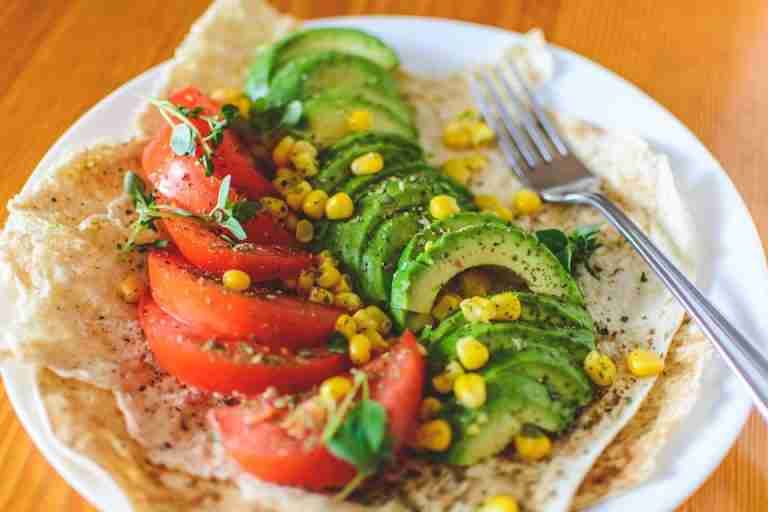
In such cases, consulting with a nutritionist can provide personalized guidance. They can help tailor the diet to meet specific nutritional needs while maintaining the core principles of the Mediterranean lifestyle. Additionally, experimenting with plant-based proteins like tofu or tempeh can offer variety and meet dietary restrictions. Exploring different herbs and spices can also enhance flavor without relying on traditional ingredients that may not be suitable for everyone.
What Research Actually Shows
The Mediterranean diet is not just a passing trend—it's backed by extensive research. Studies have consistently linked this way of eating to numerous health benefits, including a reduced risk of heart disease, improved brain function, and better weight management. For instance, a study published in the New England Journal of Medicine found that individuals following a Mediterranean diet had a 30% lower risk of cardiovascular events compared to those on a low-fat diet.
The diet's emphasis on whole foods and healthy fats contributes to lower inflammation levels in the body. This can be particularly beneficial for those managing chronic conditions like arthritis or diabetes. Incorporating ingredients such as garlic and tomatoes, known for their anti-inflammatory properties, can enhance these benefits.
The diet's focus on social eating and enjoying meals with family and friends also plays a role in mental well-being. This communal aspect encourages mindful eating and fosters a positive relationship with food. Sharing meals can reduce stress and improve mood, making the dining experience as nourishing for the soul as it is for the body.
Making the Transition
Transitioning to the Mediterranean diet doesn't have to be an all-or-nothing endeavor. Start by incorporating small changes and gradually build from there. One effective strategy is to adopt the "Mediterranean Plate" model. Fill half your plate with vegetables, a quarter with whole grains, and the remaining quarter with protein, primarily from plant sources or fish.
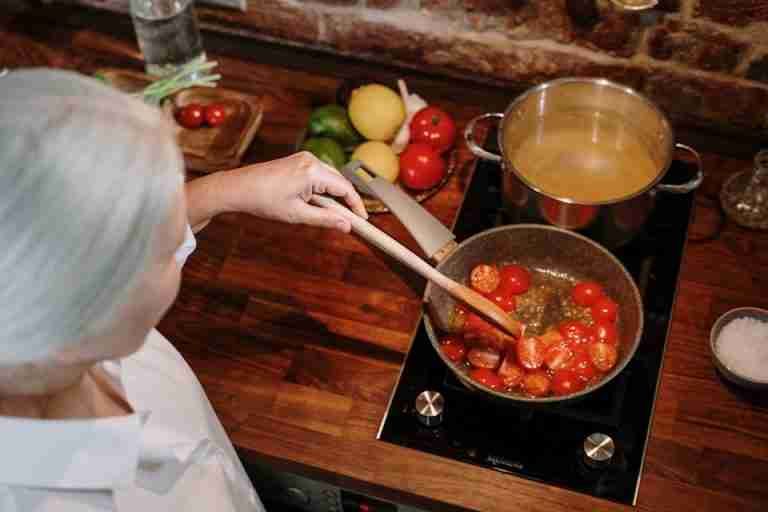
Engage in the cultural aspects of the diet by exploring Mediterranean cuisine. Try your hand at making traditional dishes like ratatouille, shaksuka, or moussaka. These meals are not only delicious but also embody the essence of the Mediterranean lifestyle. Incorporating herbs and spices like basil, rosemary, and cumin can help create authentic flavors.
Incorporating daily physical activity, such as walking or swimming, complements the diet's benefits. This holistic approach promotes overall health and longevity, making the Mediterranean way of life more than just a diet—it's a path to well-being. Engaging in community activities, like group cooking classes or walking groups, can enhance the social aspect of this lifestyle.
The Practical Takeaway
So, how can you start benefiting from the Mediterranean diet today? Begin with small, manageable steps. Replace refined grains with whole grains, introduce more fruits and vegetables into your meals, and make olive oil your go-to fat. These changes, though simple, can make a significant impact on your health.
Try setting a goal to cook one new Mediterranean dish each week. This not only diversifies your meals but also allows you to experiment with different flavors and ingredients. Utilize online resources like Mediterranean Living for authentic recipes and tips to keep you inspired. Engaging with online communities can also provide support and motivation as you explore this new way of eating.
Remember, the Mediterranean diet is not about deprivation but enjoyment. Embrace the variety and richness of the foods, and take pleasure in the journey of discovering new tastes and traditions. With each meal, you're not just nourishing your body—you're embracing a lifestyle that has stood the test of time.