From Morning Smoothies to Evening Stews: How Seasonal Eating Transforms Your Health
Imagine starting your day with a vibrant, nutrient-packed smoothie made from fresh, seasonal ingredients. As the sun sets, you're savoring a hearty stew, rich with flavors that only peak-season produce can offer. This is

Imagine starting your day with a vibrant, nutrient-packed smoothie made from fresh, seasonal ingredients. As the sun sets, you're savoring a hearty stew, rich with flavors that only peak-season produce can offer. This isn't just a delightful culinary experience; it’s a powerful approach to eating that many believe can transform your health. Seasonal eating, which involves consuming foods that are naturally harvested at their peak, is more than just a trend. It’s a return to a way of eating that aligns with nature's rhythms, providing a host of health benefits.
Spring's Asparagus and Strawberries: Freshness at Its Peak
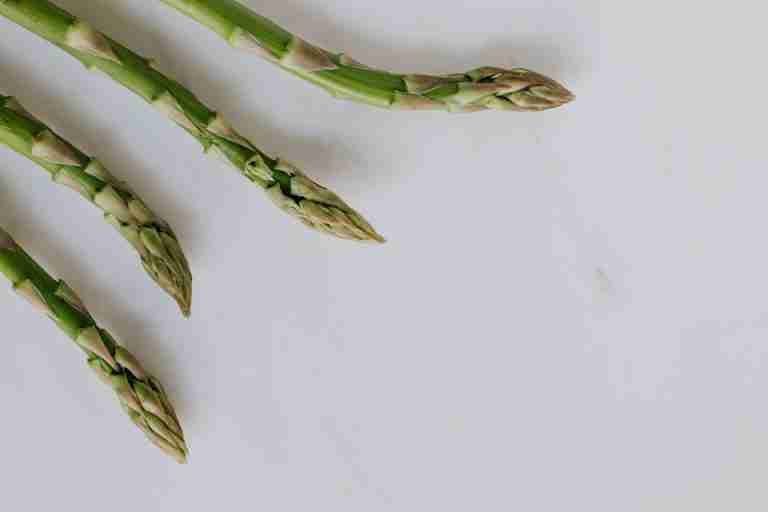
Springtime is synonymous with renewal, and nothing embodies this better than fresh asparagus and strawberries. Asparagus, typically available in early spring, is a powerhouse of vitamins A, C, E, and K. It's also packed with fiber and antioxidants. Strawberries, on the other hand, are not only sweet and juicy but also rich in vitamin C and manganese. Consuming these foods during their peak season ensures maximum nutrient intake because they are harvested when most nutrient-dense.
The reality is, seasonal foods often travel shorter distances to get to your plate, reducing the time from farm to table. This means fresher produce with fewer preservatives. Try incorporating a simple asparagus stir-fry or a fresh strawberry salad in your meals while these ingredients are in season. You'll enjoy better flavor and nutrition.
Practical Tips for Spring Eating:
- Try New Recipes: Explore dishes like asparagus risotto or strawberry salsa to bring out the unique flavors of spring produce.
- Storage Tips: Store asparagus upright in water in the fridge to keep it fresh longer, and keep strawberries dry until ready to eat to prevent mold.
- Local Harvests: Join a local community-supported agriculture (CSA) program to receive weekly boxes of seasonal produce directly from farmers.
Summer Bounty: Tomatoes and Peaches for Optimal Health
Summer brings a bounty of fruits and vegetables that are both delicious and nutritious. Tomatoes, bursting with lycopene, are known for their heart health benefits. They’re best enjoyed fresh, in salads or as part of a light, summer pasta dish. Peaches, another summer favorite, provide a good source of vitamins A and C, along with dietary fiber.
Many find that incorporating these seasonal items into their diet can aid in digestion and improve skin health, thanks to their high water content and essential nutrients. Plus, seasonal eating supports local farmers and reduces carbon footprint, making it a win for both you and the planet.
Enhancing Your Summer Meals:
- Creative Combinations: Combine tomatoes with basil and mozzarella for a classic Caprese salad, or grill peach halves for a sweet addition to salads.
- Preservation Techniques: Consider making homemade tomato sauce or peach preserves to enjoy summer flavors year-round.
- Shopping Strategy: Visit local farmers markets early in the day to get the freshest picks of tomatoes and peaches.
Autumn's Root Vegetables: Carrots and Beets for Immune Support
As the weather cools, root vegetables like carrots and beets come into their own. These vegetables are high in immune-boosting vitamins and minerals, perfect for preparing your body for the colder months. Carrots are famous for their beta-carotene content, which supports eye health, while beets are known for their ability to improve blood flow and lower blood pressure.
Roasting these vegetables brings out their natural sweetness and makes for a comforting side dish. Consider making a roasted vegetable medley or a hearty beet soup to keep your immune system strong as the days grow shorter.
Seasonal Cooking Tips for Autumn:
- Spice It Up: Add spices like cumin or coriander to roasted carrots and beets for an extra flavor kick.
- Creative Use of Greens: Don't discard beet greens; sauté them with garlic for a nutritious side.
- Batch Cooking: Prepare large batches of roasted vegetables for easy incorporation into meals throughout the week.
Winter Warmers: Kale and Citrus Fruits for Vitality
Winter might seem like a sparse time for fresh produce, but kale and citrus fruits prove otherwise. Kale, a hardy green, is packed with vitamins K, A, and C, and is a great source of calcium and fiber. Citrus fruits like oranges and grapefruits are not only refreshing but also high in vitamin C, which is essential for a robust immune system during flu season.
A kale salad with a citrus vinaigrette or a warming citrus-infused tea can provide the necessary nutrients to keep you vibrant through the winter months. And because these foods are in season, they're often more affordable and flavorful.
Winter Recipe Inspirations:
- Hearty Dishes: Incorporate kale into stews or soups for added nutrition, and use citrus zest to brighten up dishes.
- Preserving Freshness: Store kale in a cool, dark place to maintain its freshness longer, and keep citrus fruits at room temperature to enhance their juiciness.
- Citrus Pairings: Pair citrus fruits with spices like cinnamon or clove for a warming winter treat.
Transforming Your Pantry: Tips for Seasonal Stocking
Transitioning to a seasonal eating pattern starts with smart shopping. Here’s how you can stock your pantry with seasonal produce:
-
Research Local Harvest Times: Knowing when specific foods are harvested in your area can guide your shopping. Websites like Seasonal Food Guide provide region-specific harvesting calendars.
-
Visit Farmers Markets: These are excellent places to find seasonal produce. Not only will you find fresh produce, but you’ll also support local farmers. Engage with vendors to learn more about their growing practices.
-
Preserve Seasonal Flavors: Canning, freezing, and fermenting are great ways to enjoy the bounty of each season year-round. Consider making jams from summer berries or pickling autumn vegetables.
-
Plan Meals Around Seasonal Produce: Use seasonal ingredients as the focal point of your meals. Websites like Epicurious offer recipes that highlight seasonal foods, making meal planning easier.
-
Stay Flexible: While it’s great to plan, be open to trying new ingredients based on availability. This keeps your diet varied and interesting.
The Economic and Environmental Impact of Seasonal Eating
The benefits of seasonal eating extend beyond personal health. Economically, buying in-season produce can be cheaper due to the abundance of supply. Environmentally, it reduces the carbon footprint associated with transporting out-of-season produce from faraway places.
Research shows that seasonal eating can lead to more sustainable food systems. By purchasing locally grown, seasonal foods, consumers help reduce the demand for out-of-season imports that require substantial energy for transportation and storage. This shift can lead to a more sustainable planet.
Crafting a Year-Long Seasonal Eating Plan
Creating a seasonal eating plan keeps your diet diverse and nutritionally rich throughout the year. Here's a simple framework to get started:
- Spring: Focus on leafy greens, asparagus, strawberries, and rhubarb.
- Summer: Include tomatoes, cucumbers, zucchini, berries, and peaches.
- Autumn: Embrace pumpkins, squash, apples, carrots, and beets.
- Winter: Incorporate kale, citrus fruits, root vegetables, and leeks.
Keeping a seasonal chart on your fridge or pantry can serve as a quick reference guide, ensuring you're always aware of what's in season. Apps like Seasonal Food Guide can also provide reminders and tips on what to buy each month.
Consider this: every bite of seasonal produce is a step towards a healthier lifestyle. Whether it's the vibrant colors of summer or the earthy tones of winter, when you eat with the seasons, you're not only nourishing your body but also connecting with the world in a meaningful way. Start today by selecting a few seasonal ingredients and experimenting with new recipes. Your body—and the planet—will thank you.