Swapping Snacks: How a Simple Switch Transformed Dinner Time
Snacking can often sabotage even the most well-planned dinners. Picture this: a family gathered around the dinner table, but half are too full from pre-dinner snacks to enjoy the meal. It's a common scene. Yet, there's a
Snacking can often sabotage even the most well-planned dinners. Picture this: a family gathered around the dinner table, but half are too full from pre-dinner snacks to enjoy the meal. It's a common scene. Yet, there's a simple switch that can not only prevent this dinner-time dilemma but also promote healthier eating habits. The secret lies in swapping out typical snacks for healthier alternatives that satisfy cravings without spoiling appetites.
Crunchy Replacements: Popcorn Over Chips
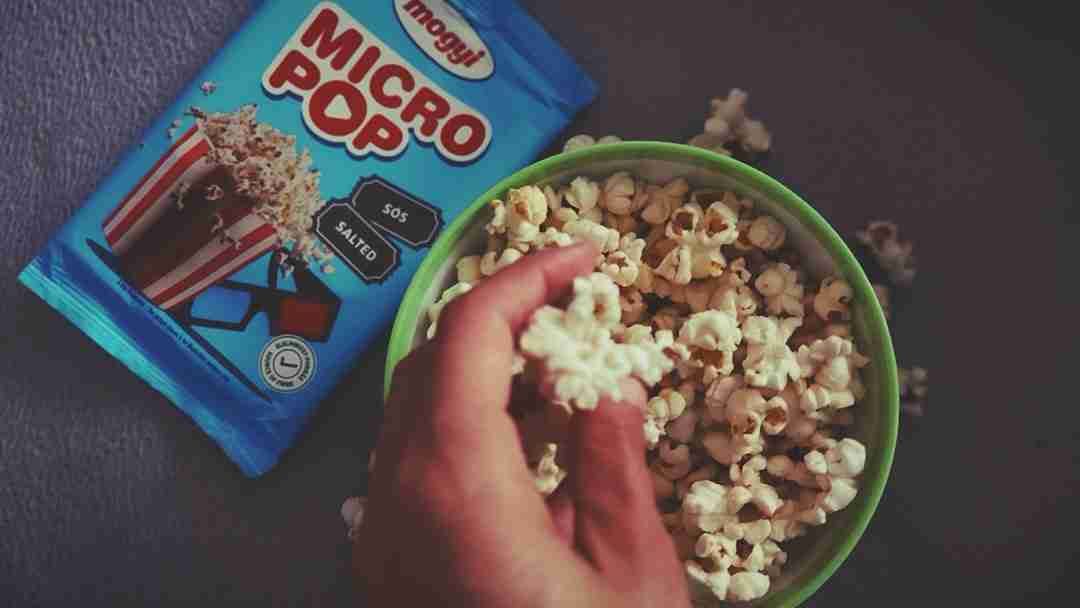
When it comes to satisfying a craving for something crunchy, many reach for a bag of chips. But chips can be high in unhealthy fats and calories. Enter popcorn. Air-popped popcorn is low in calories and high in fiber, making it a healthier option. A cup of air-popped popcorn contains only about 30 calories, compared to over 150 calories in a similar serving of chips.
Moreover, popcorn is a versatile snack. It can be seasoned in countless ways to keep it interesting. A sprinkle of nutritional yeast adds a cheesy flavor without the calories of cheese-flavored chips. For those who prefer a bit of heat, a dash of chili powder can do the trick. You might even try a sprinkle of cinnamon for a sweet twist. Not only does this snack satisfy the crunch craving, but it also leaves room for a hearty dinner.
Sweet Swaps: Greek Yogurt for Ice Cream
Ice cream is a beloved treat, but it's often packed with sugar and unhealthy fats. Greek yogurt offers a nutritious alternative that doesn't skimp on flavor. Rich in protein and probiotics, Greek yogurt can be sweetened naturally with fresh fruits like berries or a drizzle of honey.
A half-cup serving of Greek yogurt has around 100 calories and provides a significant amount of protein, helping to keep hunger at bay until dinner. In contrast, a similar serving of ice cream can contain double the calories and much less protein. For those who enjoy a bit of crunch, topping yogurt with nuts or granola adds texture and healthy fats. Opt for toppings like almonds, walnuts, or sunflower seeds to enhance the nutritional value.
Veggies Over Crackers: The Crudité Platter
Crackers are a common go-to snack, but they can be high in refined carbs and sodium. A colorful crudité platter offers a vibrant and nutritious alternative. Vegetables like carrot sticks, bell pepper slices, and cherry tomatoes provide essential vitamins and minerals. Incorporating a variety of veggies can ensure a range of nutrients and keep the taste buds engaged.
Pair these veggies with a healthy dip such as hummus or guacamole. Hummus is rich in protein and healthy fats, while guacamole provides a dose of heart-healthy monounsaturated fats. This combination not only satisfies the munchies but also ensures you're not too full to enjoy dinner. For a lighter dip option, consider a yogurt-based dip seasoned with herbs and spices.
Hydration Station: Infused Water
Sometimes, what feels like hunger is actually thirst. Many people mistake the two, reaching for snacks when their bodies are crying out for hydration. Infused water is a refreshing and satisfying solution. By adding slices of lemon, cucumber, or berries to water, you create a flavorful drink that encourages hydration without the added sugars found in sodas or juices.
Hydration is important for overall health and can even improve digestion, making it easier to enjoy a larger meal come dinner time. Keeping a pitcher of infused water in the fridge encourages the whole family to reach for a healthy drink whenever thirst strikes. Consider seasonal fruits like oranges or mint leaves for a refreshing variation.
Pros and Cons of Each Swap
Every snack swap has its pros and cons, and it's important to consider these when making changes. For instance, while popcorn is a healthier option than chips, it can still be easy to overindulge if not mindful. The key is portion control. Measuring out a serving size can help prevent over-snacking. Having pre-portioned bags of popcorn ready can make it easier to stick to a single serving.
Similarly, while Greek yogurt provides protein and is lower in sugar than ice cream, it's essential to choose plain varieties and sweeten them naturally to avoid added sugars. And while veggies are undoubtedly healthier than crackers, it's important to keep dips like hummus or guacamole in moderation due to their calorie content. Try using smaller serving bowls for dips to help manage portion sizes.
Making It Work for Your Family
Transitioning to healthier snacks can be challenging, especially if your household is used to traditional options. The first step is to involve everyone in the process. Encourage family members to help select the new snacks they want to try. This inclusion can increase the likelihood of everyone embracing the switch.
Another tip is to gradually introduce these alternatives. Start by replacing one or two snacks a week, allowing time to adjust. This gradual approach is less overwhelming and can lead to more sustainable changes. You might also consider hosting a family taste test night, where everyone can sample and vote on their favorite healthy options.
Practical Takeaway: Plan Your Pantry
The best way to ensure success with snack swapping is through preparation. Stock the pantry with healthy choices and keep less healthy options out of sight. Consider using clear containers for snacks like popcorn or yogurt, making them easy to grab.
Also, pre-cut veggies and portion them into small containers, so they're ready to go when hunger strikes. Having these snacks readily available reduces the temptation to reach for less healthy options. Setting aside a specific area in the fridge or pantry for healthy snacks can make them more accessible and inviting.
Tools to Help You Stay on Track
Several digital tools can help manage and track snack choices. MyFitnessPal is an app that allows users to log their food intake, making it easier to see how snack choices fit into daily nutritional goals. Yummly offers recipe suggestions based on dietary preferences, helping to discover new snack ideas. And Evernote can be used to organize shopping lists and meal plans, ensuring you're always prepared.
What You Can Do Today
Start by taking a look at your current snack inventory. Identify at least one snack you can swap for a healthier alternative. Maybe it's replacing chips with popcorn or choosing Greek yogurt over ice cream. Then, make a plan to implement these changes. Remember, small steps can lead to significant improvements in health and mealtime satisfaction.
Consider setting a challenge for yourself or your family to stick to healthier snacks for a week. Keep track of how these changes affect your dinner appetites and energy levels. Engaging in this experiment not only promotes better eating habits but also fosters a healthier relationship with food overall.
Mindful Snacking: Listening to Your Body
Understanding the difference between hunger and habit can be a game-changer in snacking habits. Often, people snack out of boredom rather than actual hunger. Before reaching for a snack, pause and assess whether you are truly hungry or if something else is driving the desire to eat. Practicing mindful eating can help you make more conscious choices about what and when you eat.
Engaging in activities that distract from unnecessary snacking, such as going for a walk or drinking a glass of water, can help curb mindless munching. By being more attentive to your body's signals, you can better distinguish between genuine hunger and other triggers such as stress or boredom.
By implementing these strategies and snack swaps, creating a healthier lifestyle becomes a more attainable and enjoyable journey for you and your family.