Harnessing Honey and Herbals: Grandma’s Time-Tested Cold Remedies
As the chill of winter sets in and runny noses become more common, many find themselves reaching for remedies that have stood the test of time. These aren't found in the cold aisles of a pharmacy, but rather in the kitch

As the chill of winter sets in and runny noses become more common, many find themselves reaching for remedies that have stood the test of time. These aren't found in the cold aisles of a pharmacy, but rather in the kitchen cabinets, passed down from generations. Grandma's wisdom often leads to the small jar of honey and the bundles of herbs hanging to dry. It's a comforting thought: the idea that nature's pantry offers relief and healing. But what makes these remedies effective, and how can they be used to ease the discomfort of a cold?
Honey: Nature's Sweet Healer
Honey isn't just a sweetener for tea. Its properties extend far beyond flavor. Research shows that honey has natural antibacterial and antiviral properties, making it a staple in natural cold remedies. The thick, viscous nature of honey coats the throat, providing a soothing effect on sore throats and coughs.
A spoonful of honey can do wonders, but when combined with lemon juice in warm water, it becomes a powerful cold-fighting elixir. The acidity of lemon juice cuts through mucus, while honey calms and heals. A study published by the Mayo Clinic found that honey was just as effective as common over-the-counter cough suppressants in reducing nighttime coughing in children.
For adults, mixing honey with a bit of ginger juice can enhance its effects. Ginger is known for its anti-inflammatory properties, which can help reduce swelling in the nasal passages. This combination can also be used as a throat gargle for more localized relief. Some people find comfort in adding a pinch of cinnamon, which has its own antibacterial qualities, to the honey mixture, creating a flavor that is both pleasant and therapeutic.
The Power of Garlic: A Natural Antibiotic
Garlic's pungent odor may be off-putting to some, but its health benefits are undeniable. Garlic contains allicin, a compound with significant antibacterial, antiviral, and antifungal properties. Experts suggest that incorporating garlic into your diet can boost your immune system, potentially reducing the duration and severity of a cold.

One simple way to harness garlic's power is to crush a clove and mix it with a spoonful of honey. This combination not only makes the garlic more palatable but also pairs two powerful natural remedies. Eating this mixture a few times a day at the onset of cold symptoms can help your body fight off the illness more effectively. For those who prefer a less direct approach, adding crushed garlic to soups or broths can also be beneficial.
Garlic can also be infused in oil, creating a potent remedy that can be used topically. Applying this oil around the nostrils can help clear nasal passages and provide relief from congestion. The warmth of the oil, combined with garlic's properties, makes it a dual-action remedy.
Herbal Teas: More Than Just a Warm Drink
Herbal teas offer more than warmth and comfort. They are a potent delivery system for medicinal herbs that can alleviate cold symptoms. Chamomile, peppermint, and echinacea are popular choices, each bringing unique benefits.
Chamomile tea is known for its calming effects, which can help with sleep and relaxation—key components in recovery. Peppermint tea contains menthol, a natural decongestant that can help clear the respiratory tract. Echinacea tea is believed to boost the immune system, potentially reducing the length of a cold.
For an enhanced effect, consider adding a slice of fresh ginger or a dash of cinnamon to your tea. These additions bring their own anti-inflammatory and antioxidant properties, creating a comprehensive remedy. Many find that sipping on these teas throughout the day not only soothes but also hydrates, an essential part of the healing process.
Experiment with creating your own tea blends to suit your taste and needs. Mixing herbs like licorice root for its soothing properties, or elderflower for its diaphoretic effects, can create a personalized remedy that targets your specific symptoms.
Elderberry Syrup: The Berry Good Remedy
Elderberry syrup is a remedy that has gained popularity in recent years, but its use dates back centuries. Made from the berries of the Sambucus tree, elderberry syrup is rich in antioxidants and vitamins that support immune health. Studies have shown that elderberry can reduce the duration of a cold and alleviate symptoms.

Making elderberry syrup at home is straightforward. Simmer dried elderberries with water, honey, and spices like cinnamon and cloves, then strain and store. This homemade remedy can be taken daily as a preventive measure or more frequently during a cold. It's a tasty way to harness the benefits of these little berries.
For those who prefer ready-made solutions, Gaia Herbs offers a well-respected elderberry syrup that's available online and in health stores. It's important to ensure any commercial syrup is free from additives and preservatives to maximize its health benefits.
Steam Inhalation: Clear the Airways
Steam inhalation is a classic remedy for congestion. Breathing in steam helps to moisten the nasal passages, thin mucus, and improve breathing. Adding herbs or essential oils can enhance this effect. Eucalyptus oil, known for its decongestant properties, is a popular choice.
To practice steam inhalation at home, boil water and pour it into a heatproof bowl. Add a few drops of eucalyptus oil, then lean over the bowl with a towel draped over your head to trap the steam. Breathe deeply for several minutes, taking breaks if necessary. This simple practice can be repeated several times a day to alleviate congestion.
For an alternative approach, try using a humidifier in your room, particularly at night. Adding a few drops of eucalyptus oil or choosing a humidifier with an essential oil tray can offer continuous relief as you rest.
Rest and Hydration: The Cornerstones of Recovery
While honey, herbs, and elderberries offer substantial benefits, the role of rest and hydration cannot be overstated. These are the foundations of any recovery process. Rest allows the body to focus its energy on healing, while hydration helps to thin mucus and prevent dehydration.
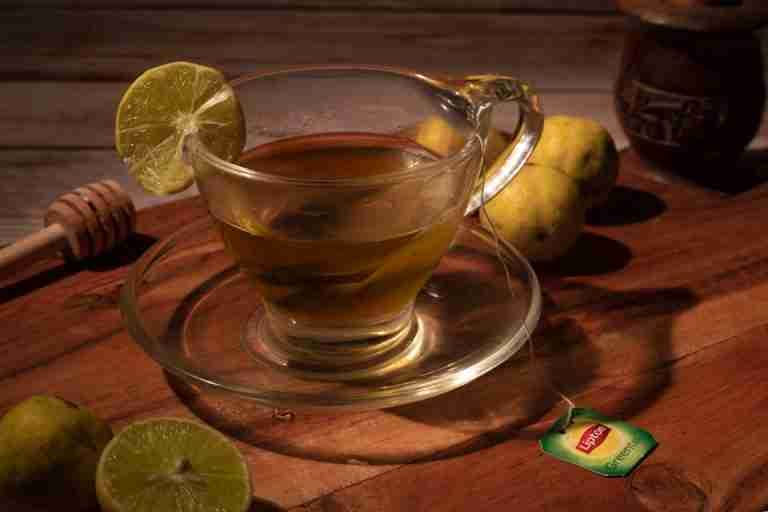
Drinking plenty of fluids, such as water, herbal teas, and broths, keeps the body hydrated and supports the immune system. Professionals note that maintaining hydration is crucial, as it helps in flushing out toxins and ensuring that the body's systems function optimally.
Creating a calm, restful environment is equally important. Ensuring that one gets enough sleep, ideally 7-9 hours per night, can significantly impact the speed and effectiveness of recovery. Consider incorporating relaxation techniques such as meditation or gentle yoga to help your body unwind and promote restful sleep.
A Blend of Tradition and Science
The beauty of these remedies lies in their blend of tradition and science. While grandma's sage advice laid the groundwork, modern research has validated many of these practices. This isn't always straightforward, as individual responses can vary. But the combination of natural ingredients and simple techniques offers a holistic approach to managing cold symptoms.
For those interested in exploring these remedies further, resources such as Herb Pharm provide valuable information on herbal products and their uses. The key is to find what works best for you, combining these remedies with conventional treatments if necessary. Many find that a balanced approach, incorporating both herbal and over-the-counter medications, offers the best results.
Incorporating these time-tested remedies into your routine can provide comfort and relief during cold season. Whether it's a spoonful of honey, a cup of herbal tea, or a restful night's sleep, these simple steps can make a significant difference. So next time the sniffles start, consider turning to the wisdom of the past, where nature's pharmacy awaits.
Remember, it's always wise to consult with a healthcare professional before trying new remedies, especially if there are existing health conditions or if you're taking other medications. Embrace the wisdom of the ages, and let nature's bounty guide you to wellness.