Herbal Teas That Soothe Stress After a Long Day
After a long, arduous day, there's nothing quite like the solace found in a warm cup of tea. But not just any tea. Herbal teas have garnered attention for their ability to soothe frazzled nerves and promote relaxation. T
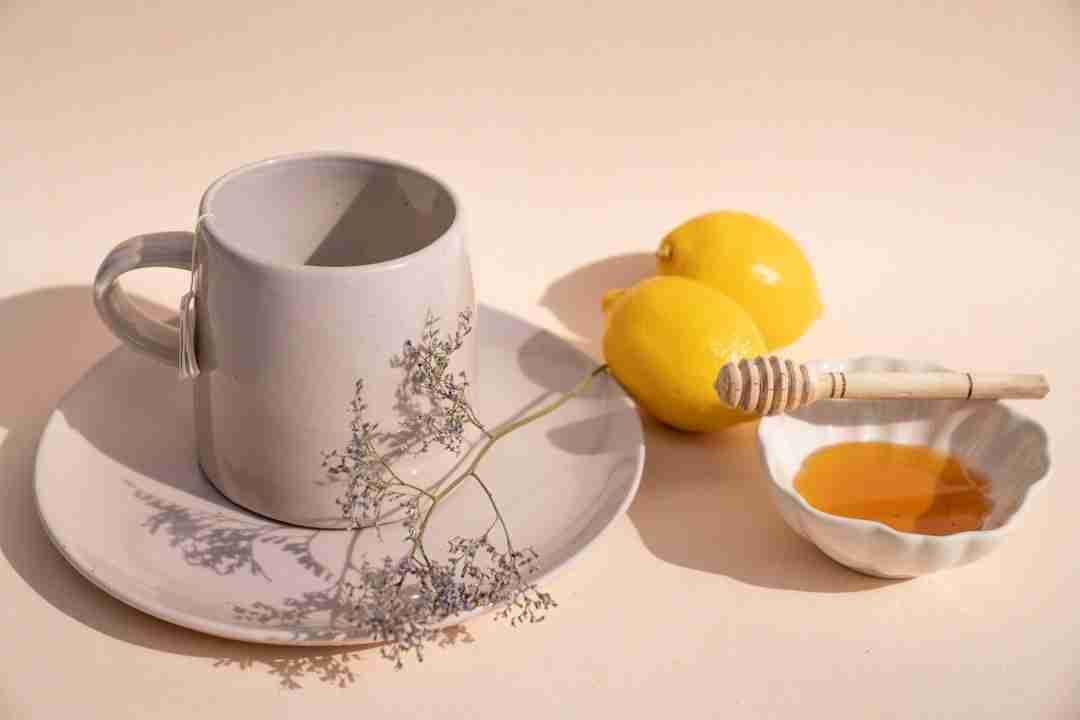
After a long, arduous day, there's nothing quite like the solace found in a warm cup of tea. But not just any tea. Herbal teas have garnered attention for their ability to soothe frazzled nerves and promote relaxation. This isn't some new-age fad; it's a practice steeped in tradition and supported by modern research. A simple brew can act as a balm for the soul, offering a moment of peace in today's fast-paced world. But which herbal teas are the most effective for stress relief, and why do they work?
Chamomile: The Classic Comforter
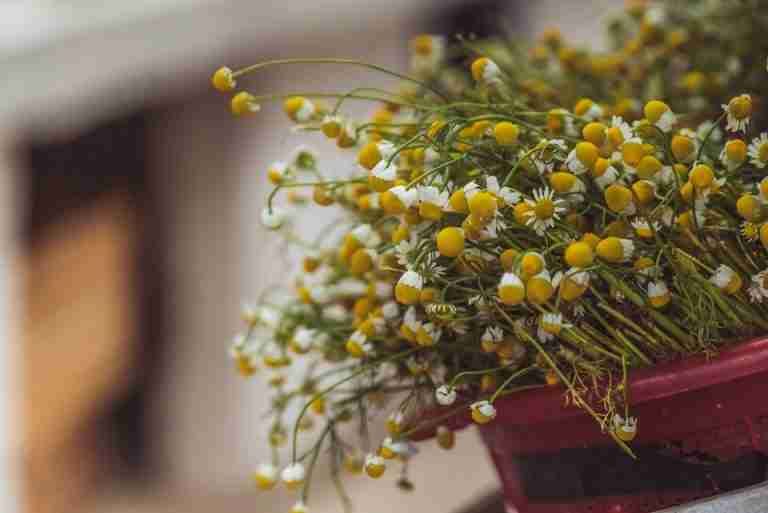
Chamomile tea often comes to mind when considering herbal remedies for stress. Known for its calming properties, this tea has been celebrated for centuries. The tiny daisy-like flowers contain apigenin, an antioxidant that binds to certain receptors in the brain, potentially reducing anxiety and inducing sleepiness. Studies have shown that regular consumption of chamomile can decrease symptoms of generalized anxiety disorder, making it a popular choice for those seeking tranquility.
Imagine returning home, weary from a day of meetings and deadlines. A steaming cup of chamomile can feel like a gentle hug, easing tension and paving the way for restful sleep. While some might dismiss it as merely a placebo, many swear by its effectiveness. The reality is, chamomile's soothing reputation is well-earned. For those who want to enhance the soothing experience, adding a slice of lemon or a drizzle of honey can complement the naturally sweet, apple-like flavor of chamomile.
Lavender: More Than Just a Fragrant Flower
Lavender is often associated with its use in aromatherapy, but its benefits extend beyond essential oils. Lavender tea, with its fragrant aroma and delicate flavor, offers a sense of calm that goes beyond the olfactory. It's not just about the scent—drinking lavender can help reduce anxiety and improve mood.
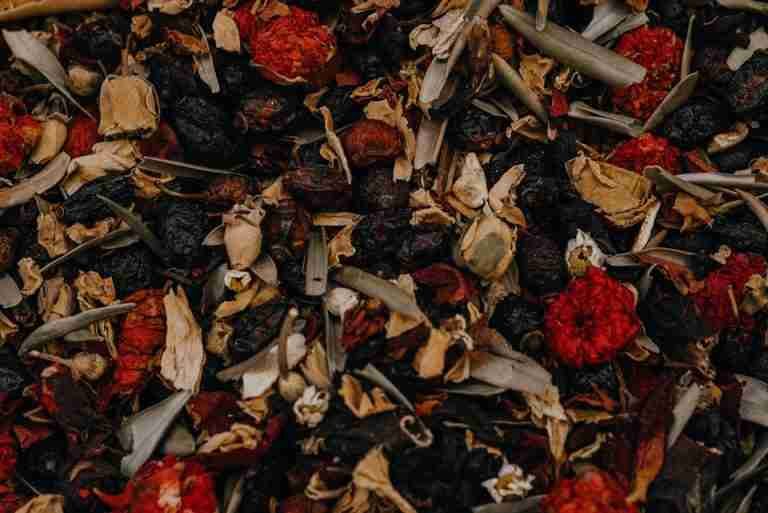
Research shows that lavender affects the limbic system, the part of the brain involved with emotions. This makes lavender tea a comforting choice for those feeling overwhelmed. Picture a quiet evening, the soft glow of a candle, and the soothing warmth of lavender tea. It's a simple indulgence that can transform stress into serenity. To fully enjoy its benefits, consider preparing a lavender tea bath, where the combination of warm water and tea-infused steam can amplify the calming effects.
Peppermint: Refreshing and Revitalizing
Peppermint tea might not be the first to come to mind for stress relief, but its benefits are noteworthy. Known for its refreshing taste, peppermint also has a natural ability to calm the mind. The menthol in peppermint acts as a muscle relaxant, which can help ease tension headaches and promote relaxation.
Experts suggest that peppermint tea can improve mental clarity and concentration, making it a great choice for those who need to unwind but still have tasks to complete. The invigorating aroma alone can lift the spirits, offering a quick escape from the day's worries. For a refreshing twist, try serving peppermint tea cold with a sprig of fresh mint and a slice of lime during warmer months.
Passionflower: Nature's Tranquilizer
Passionflower might not be as familiar as chamomile or peppermint, but its calming effects are significant. Historically used by Native Americans for its sedative properties, passionflower is now recognized for its ability to reduce anxiety and improve sleep quality.
The compounds in passionflower increase levels of gamma-aminobutyric acid (GABA) in the brain. This neurotransmitter reduces brain activity, which can help you relax and sleep better. For those wrestling with insomnia or persistent stress, passionflower tea offers a natural remedy worth considering. It pairs well with valerian root for a potent sleep-inducing blend, though it's advisable to consult a healthcare professional before combining herbal remedies.
Lemon Balm: The Gentle Uplifter
Lemon balm, with its subtle citrus aroma, is another herbal ally in the battle against stress. Often used in traditional medicine to lift spirits and ease anxiety, lemon balm has earned its place in modern herbal practices as well.
Studies have shown that lemon balm can enhance mood and cognitive function, making it a dual-purpose tea for those needing a little boost. Whether it's the end of a challenging day or the start of a new one, lemon balm tea can offer a gentle lift without the jitters associated with caffeine. For an added layer of flavor, lemon balm can be combined with green tea for a refreshing, antioxidant-rich beverage.
Valerian Root: The Sleep Specialist
Valerian root tea is often sought by those struggling with insomnia. Known as "nature's Valium," valerian can have a powerful calming effect, helping to promote deep and restful sleep. The compounds in valerian root increase GABA levels, similar to passionflower, providing a sedative effect that can ease anxiety and improve sleep quality.
While valerian root tea might not have the most pleasant taste, its benefits for those suffering from sleep disturbances are well documented. It may not be the go-to for casual sipping, but when sleep is elusive, valerian root can be a valuable ally. Mixing it with other herbs like chamomile or lemon balm can soften its strong flavor, making it more palatable.
Selecting the Right Tea for You
Choosing the right herbal tea for stress relief often depends on personal preference and specific needs. Some might prefer the floral notes of chamomile, while others lean towards the refreshing taste of peppermint. It's essential to consider what works best for your lifestyle and taste preferences.
While exploring different teas, it's crucial to pay attention to one's body and how it reacts. Some teas may cause drowsiness, making them more suitable for evening consumption. Others might offer a gentle pick-me-up, ideal for an afternoon break. Experimenting with different blends can also be enjoyable; mixing lavender with chamomile or peppermint with lemon balm can create unique flavors and experiences.
Brewing the Perfect Cup
The ritual of making tea can be as soothing as the beverage itself. The act of boiling water, steeping the leaves, and inhaling the aroma can be a meditative practice. Here's a simple guide to brewing the perfect cup:
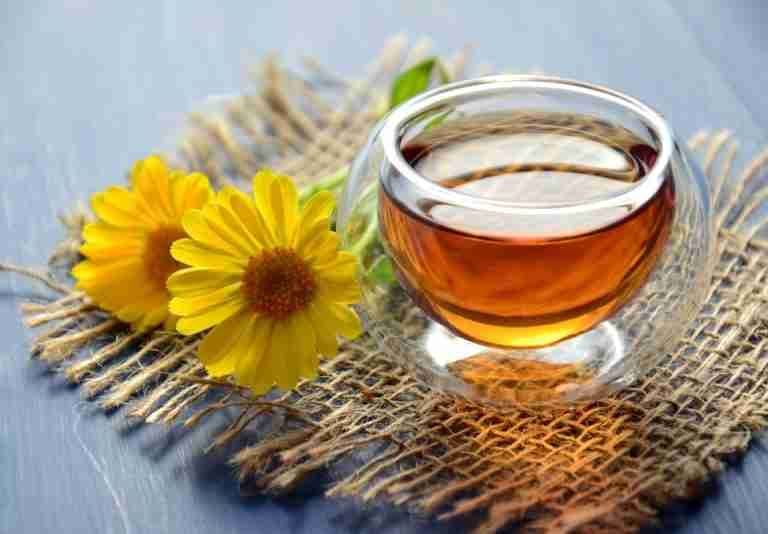
- Select quality herbs: Whether in teabag form or loose leaf, ensure the herbs are fresh and of high quality.
- Use the right temperature: Boil fresh water and let it cool slightly before pouring over the herbs. Different teas may require specific temperatures.
- Steep for the right time: Generally, 5-10 minutes is sufficient, but this can vary depending on the tea.
- Add extras with care: Lemon, honey, or milk can complement certain teas, but consider the natural flavors first.
Balancing Herbal Remedies with Lifestyle
Herbal teas can be a valuable component in managing stress, but they're not a cure-all. It's important to pair them with a balanced lifestyle. Regular exercise, a healthy diet, and proper sleep hygiene are all crucial elements in maintaining overall well-being.
Some experts argue that while herbal teas offer temporary relief, addressing the root causes of stress is essential for long-term health. Others suggest that the ritual of tea-making itself can be a form of mindfulness, providing a moment of respite in a hectic day. Incorporating breathing exercises or meditation while sipping your tea can further enhance its calming effects, creating a holistic approach to stress management.
The Takeaway
Herbal teas offer a natural, gentle way to ease stress and promote relaxation. From the classic comfort of chamomile to the refreshing lift of peppermint, there's a tea for every palate and need. While they're not a panacea, these teas can be a delightful part of a broader strategy to manage stress.
The next time the pressures of the day threaten to overwhelm, consider reaching for a cup of herbal tea. It might just be the simple, soothing solution you've been seeking.